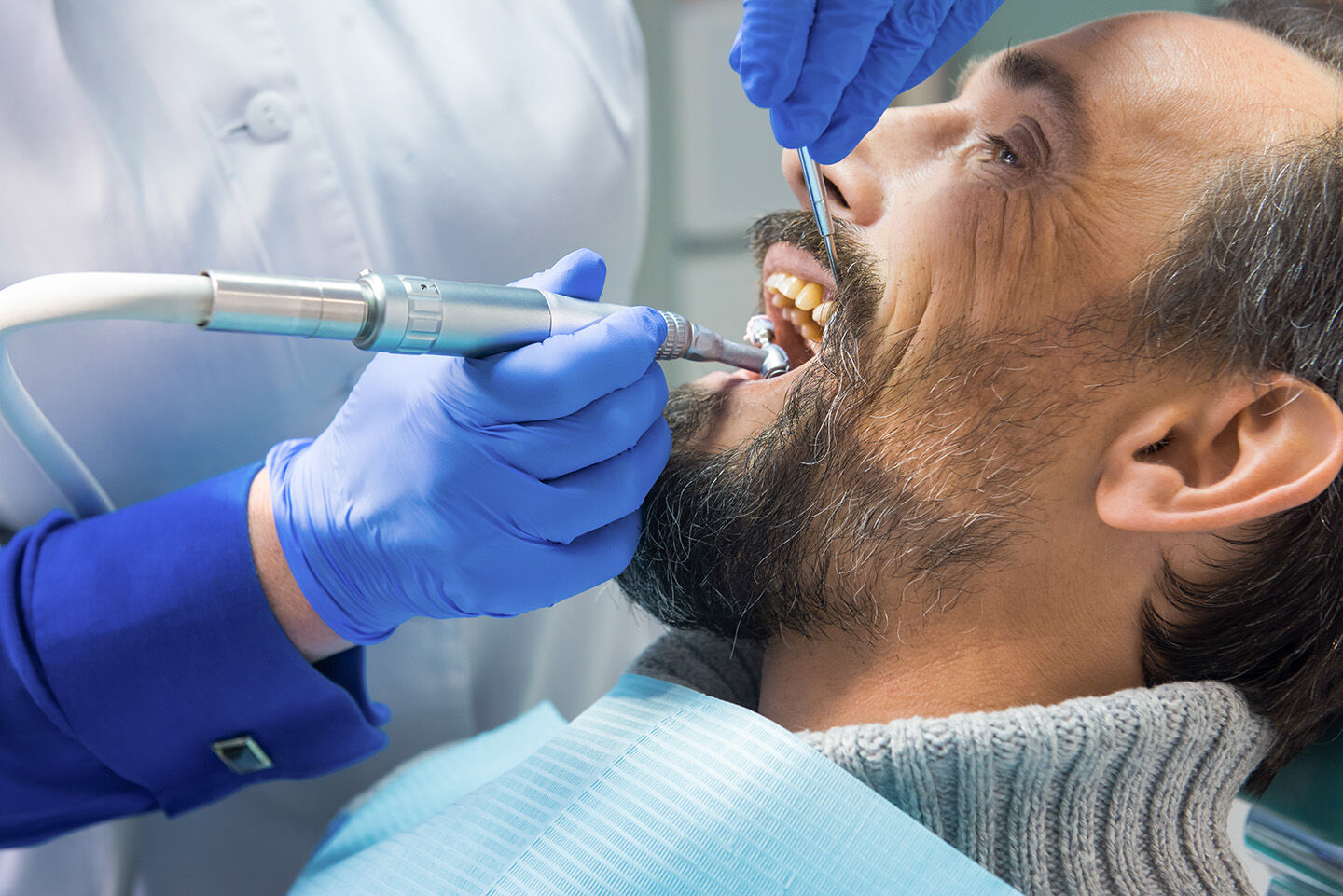


Keeping your smile healthy starts at home with consistent brushing and flossing, but there are areas that everyday routines can't reach. Professional dental cleanings remove hardened deposits and biofilm from places your toothbrush and floss may miss, reducing the risk of cavities and gum disease while keeping your mouth feeling fresh. Our approach balances thorough clinical care with practical guidance so patients leave appointments with a clearer understanding of their oral health.
Daily oral hygiene disrupts the cycle of plaque buildup, but bacterial communities quickly reform in the tiny gaps between teeth and under the gumline. Over time, plaque mineralizes into tartar (calculus), a hardened substance that can only be removed safely by a dental professional. Left in place, these deposits create a chronic source of irritation that contributes to gum inflammation and the progression of periodontal disease.
Regular professional cleanings break that cycle and reduce bacterial load, which lowers the chance of new cavities forming and helps resolve early gum inflammation. Cleanings also give clinicians the opportunity to identify developing issues—such as enamel wear, root exposure, or pockets of infection—before they require more extensive treatment. That preventive perspective preserves tooth structure and keeps care simpler and less invasive over the long term.
For many people, cleanings also improve comfort and function. Removing rough deposits decreases tooth sensitivity, reduces bad breath caused by trapped debris, and makes home care more effective by smoothing surfaces where plaque can cling. Taken together, these benefits are why professional cleanings are a key part of a comprehensive oral health plan rather than a purely cosmetic visit.
A typical cleaning appointment begins with a focused assessment of your gums and teeth to chart any areas that need attention. The hygienist measures pocket depths around each tooth and looks for signs of inflammation, recession, or plaque accumulation. This screening guides the cleaning process and helps determine whether additional preventive measures or follow-up care are needed.
Cleaning itself often combines manual instruments with ultrasonic devices. Ultrasonic scalers use gentle vibrations and a water spray to loosen and wash away mineralized deposits, while hand instruments allow the hygienist to carefully remove remaining tartar and smooth root surfaces. Together these methods provide an efficient, thorough cleaning while minimizing discomfort.
After tartar removal, the hygienist polishes tooth surfaces to remove superficial stains and to create a smoother enamel finish that resists plaque accumulation. Many appointments conclude with a brief fluoride application for added enamel support and a targeted discussion about any areas of concern—such as a hard-to-clean spot or a recent change in gum health—so you leave with clear, personalized next steps.
Contemporary dental cleanings rely on a combination of evidence-based tools and clinician skill. Ultrasonic scalers, low-abrasion polishing pastes, and ergonomic hand instruments allow hygienists to work precisely and efficiently, especially in tight spaces or around restorations and implants. These tools are designed to be safe for most patients while delivering a high standard of cleanliness.
Our team also emphasizes infection control, using disposable items where appropriate and following rigorous sterilization protocols for reusable instruments. Digital charting and intraoral imaging may be used to document changes over time, enabling clinicians to compare visits and identify trends that warrant closer monitoring or intervention.
For patients with increased sensitivity or anxiety, there are practical accommodations that improve comfort and compliance. Topical anesthetic gels can numb localized areas for brief procedures, and simple behavior-based strategies—like short breaks, distraction techniques, or stepwise cleaning—help patients who are nervous about dental visits. The goal is to make every cleaning as comfortable and productive as possible.
Oral health is tightly connected with systemic health. Inflammation in the gums can contribute to—or reflect—wider inflammatory processes in the body, and persistent oral infections may complicate management of conditions like diabetes or cardiovascular disease. By controlling oral bacteria and inflammation through routine professional care, cleanings play a role in reducing those potential systemic effects.
Pregnant people, individuals with compromised immune systems, and those managing chronic conditions often benefit from closer preventive monitoring because their oral environment may change more rapidly. Regular cleanings help clinicians detect and address issues that could influence broader health outcomes, supporting coordinated care with primary physicians as needed.
Finally, maintaining a healthy mouth supports quality of life: fewer interruptions from dental pain, improved nutrition due to comfortable chewing, and more confident social interaction when breath and teeth feel clean. These practical advantages are an important part of why preventive cleanings are recommended as an ongoing health habit.
One cleaning can do a lot, but its value multiplies when paired with effective daily care. Brushing twice a day with a fluoride toothpaste, flossing or using interdental cleaners once daily, and choosing a toothbrush that fits your mouth are foundational habits. Electric toothbrushes and water flossers can provide measurable improvements for many patients, particularly where manual dexterity is a challenge.
Diet and lifestyle choices also influence how long a cleaning’s benefits last. Reducing frequent exposure to sugary or acidic foods and beverages helps prevent new decay, while smoking cessation significantly improves gum health and healing. Simple changes—drinking more water, limiting snacking, and rinsing after acidic meals—can reduce the rate at which plaque hardens into tartar.
When your clinician identifies specific trouble spots, incorporating targeted techniques can make a difference. This may include using an interdental brush for wide spaces, switching to a lower-abrasivity toothpaste for sensitivity, or adjusting brushing technique to protect gum tissue. Small, focused changes at home often lead to fewer problems and more comfortable visits over time.
At Advanced Dental Care of Las Colinas, our team is committed to preventive care that keeps patients’ smiles healthy and resilient. If you have questions about what to expect from a cleaning, need guidance on home care tools, or want to know how often you should schedule a visit, please contact us for more information. We’re here to help you protect your oral health for years to come.
A professional dental cleaning is a clinical procedure performed to remove plaque, tartar and surface stains that brushing and flossing alone cannot fully eliminate. It focuses on the supragingival and slightly subgingival areas where bacteria accumulate and can lead to cavities or gum inflammation. The goal is to restore a clean oral environment that reduces disease risk and improves comfort.
During a cleaning, a dental hygienist removes hardened deposits, polishes tooth surfaces and assesses the condition of the gums and surrounding tissues. This visit also gives the clinician an opportunity to spot early signs of decay, gum disease or other oral health concerns. Routine cleanings are a foundational part of preventive dental care and long-term oral maintenance.
Most patients benefit from dental cleanings every six months because this schedule helps limit plaque buildup and allows the dental team to monitor oral health regularly. Patients with a history of periodontal disease, heavy plaque accumulation, systemic conditions like diabetes, or a tendency to form tartar may need more frequent visits. Your hygienist or dentist will recommend an individualized interval based on your oral health status and risk factors.
Consistency is important: following the recommended schedule reduces the likelihood of progressive gum disease and helps catch problems early when they are easier to treat. If you notice increased bleeding, swelling, persistent bad breath or loose teeth between visits, contact the office to reassess your cleaning frequency. A tailored maintenance plan keeps care efficient and effective over time.
A routine cleaning typically begins with a clinical exam of the teeth and gums, often including a review of recent X-rays when needed to check for hidden decay. The hygienist then uses hand instruments and/or an ultrasonic scaler to remove plaque and tartar from tooth surfaces and just below the gumline. After scaling, teeth are polished to remove superficial stains and create a smooth surface that resists new plaque accumulation.
The visit usually concludes with flossing, a fluoride or protective treatment when appropriate, and personalized home care instructions. Your hygienist will explain any findings and recommend follow-up care if deeper pockets or other issues are identified. This structured approach both treats current buildup and helps prevent future problems.
For most people, routine dental cleanings are comfortable and well tolerated because they target the superficial areas around the tooth neck and just below the gumline. Some patients experience sensitivity or mild discomfort, especially if they have inflamed gums, exposed root surfaces or an accumulation of heavy tartar. Hygienists are trained to work gently and will adjust techniques to minimize discomfort during the appointment.
If sensitivity or anxiety is a concern, topical numbing gels or local anesthesia can be used for specific areas to improve comfort. Open communication before and during the visit helps the team modify treatment and provide breaks as needed. The practice aims to make cleanings as calm and pain-free as possible for all patients.
A routine cleaning, also called a prophylaxis, addresses plaque and tartar above and slightly below the gumline and is used for patients with generally healthy gums. A deep cleaning, often referred to as scaling and root planing, treats more advanced periodontal disease by removing hardened deposits from deeper periodontal pockets and smoothing root surfaces. Deep cleaning is typically performed when pocket depths and inflammation indicate that routine cleaning alone will not resolve disease.
Deep cleanings usually require multiple visits and careful follow-up to monitor healing and pocket reduction. After scaling and root planing, patients often receive a more frequent maintenance schedule to control recurring inflammation and prevent disease progression. The dentist will recommend the appropriate treatment based on clinical measurements and the patient’s overall oral condition.
Regular dental cleanings reduce the bacterial load in the mouth, which helps lower chronic inflammation that can influence systemic health. Research links untreated gum disease to conditions such as cardiovascular disease, poorly controlled diabetes and adverse pregnancy outcomes, so maintaining oral health contributes to overall well-being. By controlling oral bacteria and inflammation, cleanings support better long-term health outcomes beyond tooth preservation.
Cleanings also provide routine opportunities for screening and early detection of oral abnormalities, including lesions or signs that warrant medical evaluation. Early identification and management of oral disease can prevent complications that affect general health. For many patients, preventive dental care is an important component of comprehensive health maintenance.
Dental cleanings are usually performed by licensed dental hygienists who have completed accredited training programs and passed state licensure requirements. Hygienists receive education in preventive care, periodontal assessment, infection control and patient education, and they pursue continuing education to stay current with best practices. Their role is to remove plaque and tartar, assess gum health and provide personalized guidance for home care.
The dentist performs a clinical exam, reviews radiographs when appropriate and oversees treatment planning based on the hygienist’s findings. At Advanced Dental Care of Las Colinas the hygienist and dentist work together to ensure each patient receives thorough preventive care and timely referrals for any necessary restorative or periodontal treatment. Collaborative care helps maintain consistent standards and optimal outcomes.
Yes, dental cleanings are appropriate for patients of nearly all ages, and early visits help establish good habits and monitor developing teeth. Pediatric cleanings are adapted to a child’s comfort level and oral development, with gentle techniques and education targeted to parents and caregivers. Starting preventive care early supports cavity prevention and long-term oral health.
Patients with special health needs can also receive tailored cleanings, with modifications for mobility, sensory sensitivities or medical conditions. The dental team can coordinate extra time, behavioral strategies or sedation options when clinically appropriate to ensure safe and effective care. Communicating medical history and specific needs ahead of time helps the practice prepare and deliver a comfortable visit.
Preparation for a cleaning is simple: bring an up-to-date list of medications, note any recent health changes and arrive with a clean mouth by brushing before you come. If you have had recent dental work, bleeding issues or a change in medical history, let the office know so the team can plan care accordingly. Patients who experience anxiety may find it helpful to discuss coping strategies or request additional support when scheduling.
If you have specific symptoms such as persistent pain, swelling or bleeding, mention them when you arrive so the clinician can assess urgency and adjust the appointment. Completing any required paperwork ahead of time and arriving a few minutes early streamlines the visit. Clear communication ensures the cleaning is efficient and tailored to your needs.
Daily oral hygiene is the most important factor in maintaining a clean, polished smile between professional visits. Brush twice daily with a fluoride toothpaste, floss or use interdental cleaners once a day and consider an antimicrobial mouthrinse if recommended by your clinician. These actions reduce plaque accumulation, minimize staining and help preserve gum health.
Dietary choices also influence surface stains and decay risk, so limit frequent sugary or acidic snacks and avoid tobacco products. Maintain regular recall appointments and ask your hygienist for personalized tips or recommended tools to address specific concerns like sensitivity or stain control. Consistent home care combined with professional cleanings produces the best long-term results.
Quick Links