Deciding that a tooth must come out is never taken lightly. Our priority is to preserve your natural teeth whenever possible, but there are clear situations in which extraction protects your long-term oral health. This section explains the common scenarios that lead us to recommend removal so you can understand the reasoning and feel confident in the plan.
We focus on identifying the root cause of the problem—whether it’s infection, structural failure, or space-related concerns—and recommending the least invasive solution that achieves a durable result. In many cases extraction is a preventive step that prevents more serious complications, including spreading infection or damage to neighboring teeth and bone.
The following list highlights frequent reasons an extraction may be the most appropriate course of action. Each entry includes what we look for and how removing the tooth supports overall dental health and future treatment options.
Primary (baby) tooth that remains unusually firm or damaged
Most primary teeth fall out on schedule, but sometimes a baby tooth fails to loosen because its roots have not resorbed or it has fused to the jawbone. When a retained baby tooth interferes with the normal eruption of the permanent tooth, extraction helps guide proper development and prevents misalignment.
Permanent tooth with irreversible decay or structural loss
When decay penetrates deep into a tooth and destroys the supporting structure, restorative options may no longer be viable. At that point, removing the tooth removes the source of infection and pain and allows us to plan for replacement alternatives that restore function and protect surrounding teeth.
Severely fractured tooth that cannot be reconstructed
Traumatic breaks and extensive fractures sometimes leave too little sound tooth to support a crown or restoration. If a fracture extends into the root or splits the tooth, extraction is often the safest way to prevent persistent pain or recurrent infections.
Advanced periodontal disease undermining tooth support
When periodontal disease has caused significant loss of bone and soft tissue around a tooth, the resulting mobility and infection can make preservation impractical. Extracting hopeless teeth can stop disease progression and improve the environment for treating remaining teeth.
Wisdom teeth that are impacted, decayed, or causing crowding
Third molars often lack adequate room to erupt properly and can become impacted, infected, or harmful to adjacent teeth. Removing problematic wisdom teeth is a common preventive measure to avoid chronic pain, infection, and damage to nearby teeth.
Extractions as part of orthodontic planning
For some patients, selective removal of teeth creates the necessary space to align the remaining teeth and achieve a stable, functional bite. Extractions done with an orthodontic plan in mind are carefully chosen to balance facial aesthetics and long-term dental health.

Every extraction begins with a thorough evaluation. We review medical and dental histories, current medications, and any conditions that could influence healing or anesthesia choices. A focused exam and appropriate imaging give us a clear picture of root anatomy, nearby structures, and the best surgical approach.
Open communication is important: tell us about blood thinners, artificial joints, recent illnesses, or any medication changes. In some cases we coordinate with your physician or request clearance before proceeding. We also give clear pre-procedure instructions—such as when to stop certain medications or how to prepare if sedation is planned—to ensure safety and a smooth experience.
We discuss replacement options whenever an extraction is likely, so you’ll leave the consultation with a practical plan for restoring function and appearance. Whether the next step is a bridge, denture, or implant, early planning often simplifies later treatment and preserves bone and aesthetics.
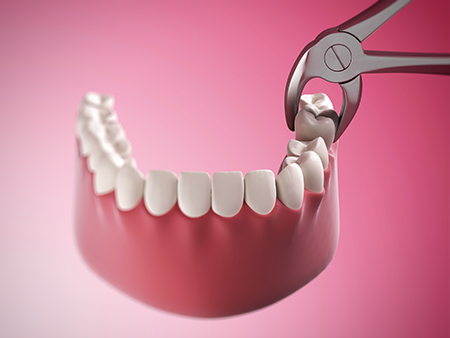
Simple extractions are performed when the tooth is visible and the root anatomy is uncomplicated. After numbing the area with local anesthetic, the dentist gently releases the surrounding ligament and lifts the tooth using instruments designed to reduce trauma. The procedure is typically quick, and most patients experience only short-term discomfort.
Surgical extractions are used for teeth that are broken at the gumline, impacted beneath the bone, fused to the jaw, or otherwise difficult to remove. These procedures may involve a small incision, precise removal of a bit of bone, and sectioning the tooth for safer extraction. Surgical cases sometimes involve referral to an oral and maxillofacial surgeon, particularly for complex anatomy or medically complicated patients.
Your comfort is a priority from the moment you arrive. For most extractions a local anesthetic is sufficient to block pain at the site. We take the time to ensure the area is completely numb before beginning and check in throughout the procedure to confirm you feel comfortable.
For patients with anxiety, a low level of sedation can make the experience far less stressful. Options include nitrous oxide (laughing gas) for mild relaxation or oral and IV sedation for deeper calming effects. We discuss the pros and cons of each approach and monitor vital signs throughout to maintain safety.
When sedation is used, specific pre- and post-procedure instructions apply—such as fasting and arranging transportation home. We review these requirements during your consultation so you know what to expect and can make appropriate preparations.
Modern techniques and gentle handling minimize swelling and promote faster recovery. Our team also explains immediate post-procedure steps so you leave the office with clear directions for the first 24–48 hours.
Recovery after an extraction is a predictable process when you follow a few commonsense steps. Rest, careful wound care, and the proper use of medications all support clot formation and tissue healing. We provide written instructions tailored to your case and are available to answer questions as you heal.
Expect some swelling and mild discomfort in the first few days; these symptoms are part of normal healing. Following the guidance on activity level, oral hygiene, and diet helps keep the extraction site protected and reduces the risk of complications like dry socket or infection.
If your extraction was complex, we may schedule a follow-up to remove sutures or evaluate healing. Keeping follow-up appointments ensures any issues are caught early and managed effectively so you recover on schedule.
Controlling bleeding with gauze
Bite gently on the provided gauze to encourage clot formation. Change the gauze as directed and maintain steady pressure until bleeding is minimal. A small amount of oozing for up to 24 hours is common; contact us if bleeding is heavy or persistent.
Protect numb tissues
Until the local anesthetic fully wears off, be careful not to chew your lips, cheeks, or tongue. Accidental bites can cause injury, so avoid eating hard items while numb.
Take prescribed medications as directed
If antibiotics or pain medicines are prescribed, follow the schedule and dosage exactly. Over-the-counter analgesics can be effective for most post-extraction discomfort; use stronger prescription pain medication only as directed.
Avoid disturbing the clot
Do not rinse vigorously, spit forcefully, smoke, or use a straw for at least 48 hours. These actions can dislodge the blood clot and delay healing.
Manage swelling with cold
Apply an ice pack to the outside of the face intermittently during the first day to reduce swelling. Short, regular intervals (for example, 10 minutes on, 10 minutes off) are recommended.
Avoid smoking and tobacco
Smoking impairs healing and raises the risk of complications. Refrain from tobacco use for at least one week after extraction to support optimal recovery.
Choose soft, cool foods initially
Eat soft, non-irritating foods and avoid very hot or spicy items during the first 48 hours. Keep hydrated and progress to a normal diet as comfort allows.
Maintain gentle oral hygiene
Brush the rest of your teeth carefully and, after the first day, rinse gently with a warm saltwater solution to keep the area clean. Do not rinse vigorously during the first 24 hours.
Attend any scheduled follow-up
If sutures were placed or your case requires monitoring, please keep the follow-up appointment so we can confirm proper healing and address any concerns.
If you notice increasing pain, swelling, persistent bleeding, or other unusual symptoms, contact our office so we can evaluate and manage the issue promptly.
The office of Advanced Dental Care of Las Colinas combines clinical experience, modern technology, and a patient-centered approach to deliver safe, predictable extractions. We prioritize clear communication so you understand the reasons for treatment, the options available, and the expected recovery timeline.
Our team coordinates care with medical providers when needed and follows evidence-based protocols to lower risk and support efficient healing. If a tooth must be replaced after extraction, we’ll present appropriate solutions—such as removable dentures, fixed bridges, or dental implants—and help you choose the option that best fits your needs and goals.
Above all, we aim to make the extraction process as gentle and straightforward as possible while protecting your long-term oral health. If you have questions about whether an extraction is the right step for you, or about how we manage comfort and follow-up care, please contact us for more information.
Your dentist may recommend extraction when a tooth cannot be preserved with restorative treatment because of extensive decay, a severe fracture, or advanced periodontal disease. Removing the tooth can prevent the spread of infection to adjacent teeth and protect the supporting bone and soft tissues. Other common reasons include over-retained baby teeth, impacted wisdom teeth and teeth that compromise orthodontic alignment.
Before recommending removal, the dentist will review your medical and dental history and take radiographs to evaluate the tooth's prognosis. The decision balances the long-term benefits of preserving natural tooth structure against the risks of keeping a problematic tooth. When extraction is advised, your dental team will explain the rationale and discuss next steps for comfort and function.
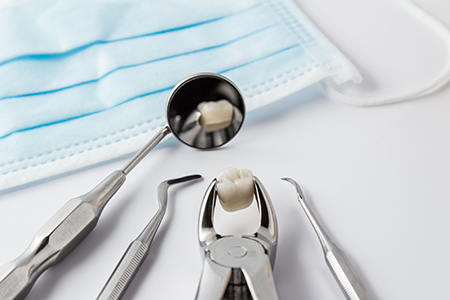
A simple extraction is performed when the tooth is visible in the mouth and has a straightforward root anatomy. After the area is numbed with local anesthesia, the dentist loosens the tooth and removes it with forceps in a relatively brief procedure. Simple extractions are common for teeth that are erupted and intact enough to be grasped easily.
A surgical extraction is required when the tooth is broken, impacted, ankylosed or when root shape prevents a simple removal. Surgical extractions often involve a small incision, removal of some bone and sutures, and may be completed by an oral surgeon for complex cases. Your dentist will explain whether a surgical approach or referral is the safest option for your situation.
Before the procedure, provide a complete medical history and a list of current medications so the team can identify any precautions or need for medical clearance. If you take blood thinners or have a cardiac condition, the dentist may coordinate with your physician to plan safe care. Follow any preoperative instructions regarding fasting only if sedation is planned, and arrange for a responsible adult to drive you home if needed.
Bring a list of questions about anesthesia, postoperative care and replacement options so you understand the full plan before the appointment. If you are anxious, discuss available relaxation or sedation options during your consultation. Clear communication helps reduce surprises and supports a smooth, efficient visit.
Local anesthesia is used in nearly all extractions to numb the tooth and surrounding tissues so the procedure is comfortable. For patients who feel anxious or require longer procedures, options can include nitrous oxide (laughing gas), oral sedatives or intravenous sedation following a medical assessment. The choice of sedation depends on your medical history, anxiety level and the complexity of the extraction.
Your dentist will review the risks and benefits of each option and determine whether medical clearance is needed for deeper sedation. Pain control after the procedure typically includes over-the-counter analgesics and, when appropriate, prescription medications for short-term use. The team will provide clear instructions on when and how to take medications to manage discomfort safely.
After your medical history and radiographs are reviewed, the dentist will numb the area and confirm that you are comfortable before beginning. During a simple extraction you may feel pressure as the tooth is loosened and removed, while a surgical extraction may involve a small incision, removal of bone and suturing. Throughout the procedure the team monitors your comfort and provides updates so you know what to expect.
Most uncomplicated extractions are completed in a single visit and take only a short time, while complex surgical cases take longer and may require a specialist. After the tooth is removed, gauze will be placed to help form a blood clot and instructions will be given for postoperative care. If stitches are used, your team will explain whether they are resorbable or need removal at a follow-up visit.
Immediately after extraction, maintain gentle pressure with gauze as instructed to help form a stable blood clot and minimize bleeding. Rest for the remainder of the day, avoid vigorous rinsing or spitting, and refrain from using straws, which can dislodge the clot and delay healing. Apply ice to the outside of the face in short intervals to reduce swelling during the first 24 hours.
Follow medication instructions for pain control and any prescribed antibiotics, and gradually return to a soft-food diet as comfort allows. Keep the mouth clean with gentle brushing, avoiding the extraction site initially, and begin saltwater rinses as recommended to support healing. Contact the office if you notice persistent bleeding, severe pain, fever or other concerning symptoms.
Most extractions heal without incident, but potential complications include prolonged bleeding, infection and a condition called alveolar osteitis, commonly known as dry socket. Dry socket occurs when the blood clot at the extraction site is dislodged or dissolves prematurely, causing increased pain and delayed healing. Your dentist will explain warning signs and provide treatments such as medicated dressings or pain management if dry socket develops.
In rare cases, nerve irritation, sinus communication or delayed healing can occur depending on the tooth's location and complexity of the extraction. Early communication with your dental team ensures timely evaluation and appropriate care, which may include antibiotics, sutures, or referral to a specialist when indicated. Prompt follow-up is the best way to address complications and support a smooth recovery.
Replacing a missing tooth is important to restore chewing function, maintain proper bite relationships and prevent neighboring teeth from shifting. Left unaddressed, a gap can lead to bone loss in the jaw and long-term changes in the alignment of adjacent teeth. Your dentist will discuss the functional and esthetic implications of leaving a space unreplaced and how timing affects future treatment options.
Common replacement choices include dental implants, fixed bridges and removable prostheses, and the best option depends on your oral health, bone volume and personal goals. Some replacement methods can be planned immediately at the time of extraction, while others require a healing period before final restoration. Our team at Advanced Dental Care of Las Colinas will review options tailored to your situation and outline a clear treatment plan for restoring your smile.
Wisdom teeth are not always removed; many people keep healthy, fully erupted third molars without issue. Extraction is commonly recommended when wisdom teeth are impacted, cause pain, develop recurrent decay, contribute to infection of the surrounding gum tissue or threaten the health of adjacent teeth. Orthodontic considerations and recurring pericoronitis are also common reasons for recommending removal.
The decision to remove wisdom teeth is based on clinical examination and radiographic evaluation of position, root development and available space. For younger adults, proactive removal may be advised when radiographs show likely future problems, while older patients may need treatment when symptoms arise. Your dentist will explain the risk/benefit profile and whether referral to an oral surgeon is appropriate for safe, predictable care.
Pediatric extractions are performed when baby teeth are severely decayed, over-retained and blocking the eruption of permanent teeth, or when injury or infection necessitates removal. The dentist assesses growth and development, uses age-appropriate techniques and explains the procedure in child-friendly terms to reduce anxiety. Parents will be informed about preoperative instructions, behavior management strategies and the expected course of healing after the extraction.
For anxious or very young patients, mild sedation options and close monitoring can make the visit more comfortable and safe, with parental involvement as appropriate. Postoperative care emphasizes gentle oral hygiene, a soft diet and careful follow-up to ensure normal eruption of permanent successors. If timing or space in the dental arch is a concern, the dentist will coordinate care with orthodontic planning when necessary.
Quick Links