Clear aligner therapy has changed how many adults and teens approach orthodontic care. Invisalign® offers a discreet, removable alternative to metal braces that fits modern lives — you can keep your usual routines while your teeth move on a carefully planned schedule. This approach emphasizes predictability, comfort, and a treatment experience that fits work, school, and social commitments without calling attention to itself.
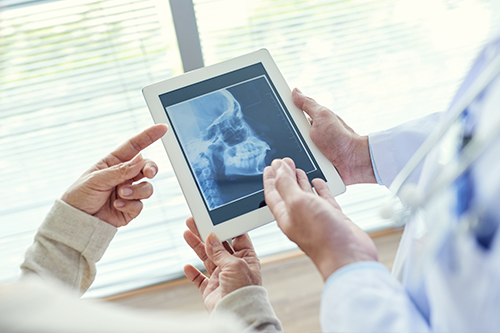
Every treatment starts with a detailed assessment and a digital plan. Using precise 3‑D imaging and treatment simulation, clinicians map tooth movements from the current position to the intended outcome, then translate that plan into a sequence of custom-made clear aligners. Each aligner in the series makes small adjustments so that, over time, teeth shift into healthier, better-aligned positions.
At Advanced Dental Care of Las Colinas we pair that technology with clinical judgment to create treatment plans that are both effective and practical. Whether you’re correcting crowding, closing gaps, or fine-tuning bite alignment, clear aligners let you pursue results without the visible hardware of traditional orthodontics.
Align Technology continually refines its approach using treatment data from millions of patient cases. That research-driven development supports aligners that are engineered for comfort, reliability, and a wide range of tooth movements. When combined with a clinician’s expertise, the system enables controlled, staged adjustments that address both cosmetic concerns and functional bite issues.
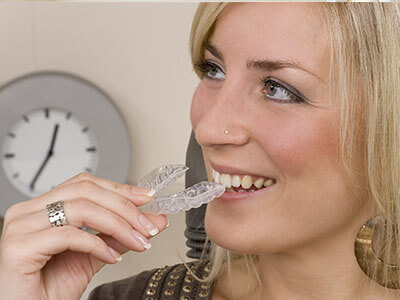
Because aligners are removable, oral hygiene is simpler than with fixed appliances: brushing and flossing remain straightforward, and there are no food restrictions that typically come with brackets and wires. The convenience of removable trays, paired with modern materials designed for clarity and strength, is a major part of why many people prefer clear aligner therapy.
Successful aligner treatment depends on a thoughtful plan and consistent monitoring. Your clinician evaluates bite relationships, jaw function, and the health of gums and teeth to determine whether clear aligners are the best option. From that clinical foundation, a staged sequence of movements is designed to achieve alignment goals while preserving long-term oral health.
Digital tools, such as intraoral scanning, allow us to capture highly accurate models of your mouth without messy impressions. These scans are used to simulate treatment progress and anticipate how each aligner will affect tooth positions. This level of detail improves predictability and helps your provider adjust the plan when necessary to keep treatment on track.
Throughout the process, you’ll have regular check-ins so progress can be evaluated and fine-tuned. That combination of advanced planning and hands-on clinical oversight ensures that aligner therapy is not just convenient, but also aligned with sound dental practice.
The first appointment is an information-rich evaluation rather than an immediate commitment. Your provider will review your dental history, examine tooth alignment and gum health, and discuss functional concerns such as bite discomfort or wear patterns. This ensures the proposed treatment supports both cosmetic and functional goals.
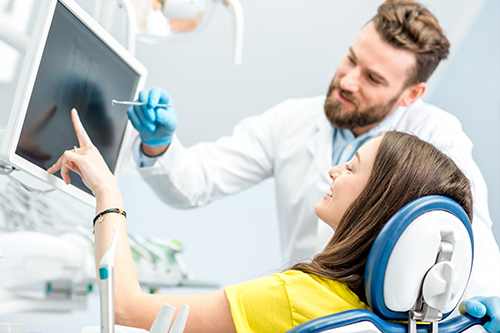
We use fast, patient-friendly digital scanning to record the current state of your teeth. These scans form the basis of a treatment simulation so you can see a visual preview of potential outcomes — an important tool for setting realistic expectations before committing to a plan.
At this stage we’ll also discuss the timeline, typical check-in cadence, and what success looks like for your unique case. Clear communication during the initial visit helps you begin treatment with confidence and a clear sense of the steps ahead.
Once digital impressions are captured, a custom plan is created that sequences tooth movements in the most efficient, biologically appropriate way. That plan balances aesthetic objectives with the long-term health of your teeth and supporting tissues to avoid undue stress or relapse risk.
Plans are flexible: small variations can be made based on how your teeth respond during treatment. Your clinician will review milestone expectations, explain how attachments or auxiliary features may be used if needed, and outline how we’ll measure progress.
The goal is a tailored route to improved alignment that fits your schedule and lifestyle — clear aligners are designed to be worn and cared for without disrupting eating, speech, or daily activities.
Each set of aligners is fabricated to precise specifications based on your treatment plan. The trays are engineered to apply controlled force to specific teeth, and they’re changed at regular intervals to continue the progression. Small, calculated movements accumulate over time to produce meaningful change.
Materials used in modern aligners prioritize clarity and durability, helping them remain discreet while withstanding daily wear. Because they are removable, you’ll maintain full access for brushing and flossing, which supports gum health and reduces the risk of decay compared with some fixed appliances.
Consistent wear is essential for predictable results. Your clinician will advise on daily wear time, care instructions, and strategies to integrate aligner routines into busy days so compliance feels manageable rather than burdensome.
When you receive your first trays, your provider will confirm fit, review insertion and removal techniques, and outline maintenance steps to protect both trays and teeth. Early visits focus on comfort and habit-building so wearing aligners becomes routine.
Treatment concludes when alignment goals are met, but retention is the next critical phase. Your clinician will recommend a retainer protocol to help teeth maintain their new positions, protecting the investment of time and effort that created your final result.
Good long-term outcomes combine a well-designed initial plan, consistent wear, and sensible follow-up care. That process supports a stable, functional, and attractive smile that complements your overall oral health.
Short video demonstrations and patient walkthroughs provide clear examples of typical aligner visits and milestones.
*Invisalign is a registered trademark of Align Technology, Inc.
Clear aligner therapy offers a modern, patient-friendly path to straighter teeth and improved bite mechanics. With careful planning, attentive clinical oversight, and consistent home care, most patients find they can achieve meaningful results without the visibility or many lifestyle trade-offs of traditional braces. If you’re curious whether Invisalign® is appropriate for your needs, contact our office to learn more and discuss your options with a qualified provider.
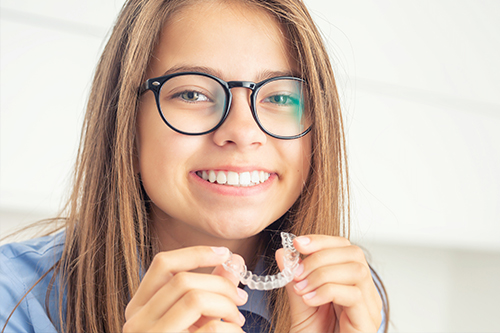
Invisalign is a clear aligner system that straightens teeth using a series of custom-made, removable trays designed to shift teeth gradually. Because the aligners are nearly invisible, they offer a discreet alternative to traditional braces. Patients can usually continue daily activities without major interruption while wearing Invisalign.
Treatment begins with a digital 3-D scan that maps the current positions of your teeth and the planned movements through each stage. That plan is used to fabricate a sequence of aligners that you swap according to your provider’s schedule, typically every one to two weeks. Each aligner applies gentle, controlled pressure to specific teeth so they move predictably toward the final alignment.
Good candidates for Invisalign include adults and teens with mild to moderate alignment concerns such as crowding, spacing, and certain bite issues. More complex orthodontic problems may still be treatable with aligners but can require additional clinical planning or auxiliary appliances. A thorough evaluation and digital scan are necessary to determine whether Invisalign is the right option for an individual patient.
Factors that influence candidacy include the severity of tooth movement required, the health of the gums and supporting bone, and patient commitment to wearing aligners as instructed. Patients who remove their aligners for long periods may experience slower progress or compromised results. Your dentist will review medical and dental history, take imaging, and explain realistic outcomes before recommending treatment.
The Invisalign treatment process starts with a consultation where your dentist examines your teeth, reviews your concerns, and takes digital records and impressions. Using 3-D treatment planning software, your provider maps out a step-by-step movement plan and can show a projected outcome before care begins. Once the plan is approved, your custom aligners are manufactured and delivered according to the staged sequence.
You will typically wear each aligner for the prescribed period and switch to the next in the series until the planned correction is complete. Routine checkups or remote monitoring ensure the teeth are tracking according to the plan and allow the team to make adjustments if necessary. Your doctor will also place any required attachments or teach you how to use elastics to address specific bite issues during treatment.
Treatment length varies widely but most adults complete Invisalign in several months to about two years depending on the complexity of the case. Simple cosmetic corrections can be on the shorter end of that range while significant tooth movement or bite adjustments require more time. Persistence with daily wear and following your provider’s instructions directly impacts the speed and predictability of results.
Other factors that affect duration include whether interproximal reduction or tooth extractions are needed and how your teeth respond biologically to movement. Your dentist will provide an estimated timeline based on the initial digital plan and update it during treatment as progress is monitored. Regular follow-up visits help keep the treatment on schedule and address any unexpected needs quickly.
Clean aligners daily with a soft toothbrush and clear, gentle soap or a manufacturer-recommended cleaner to prevent staining and bacterial buildup. Avoid toothpaste that contains strong abrasives and do not use hot water, which can warp the plastic. Rinse aligners each time you remove them and brush and floss your teeth before reinserting to maintain oral health.
Store aligners in their protective case whenever they are out of your mouth to reduce the risk of loss or damage. If an aligner becomes cracked or no longer fits properly, contact your provider for guidance rather than attempting DIY repairs. Maintaining good oral hygiene and aligner care helps ensure predictable movement and reduces the chance of treatment interruptions.
Attachments are small, tooth-colored bumps bonded to select teeth to give aligners a better grip and enable more complex movements. They are made of composite resin and are placed during an office visit; the material is removable at the end of treatment. Attachments are planned in the digital treatment design and used only when necessary to achieve specific movements.
Other adjuncts such as elastics or interproximal reduction (IPR) may be recommended to correct bite relationships or create space for tooth movement. Your dentist will explain why any auxiliary procedures are needed, how they support the treatment, and what to expect during the process. Understanding the role of these tools helps patients follow instructions that contribute to successful outcomes.
Appointment frequency during Invisalign treatment commonly ranges from every four to twelve weeks, depending on the case complexity and the provider’s protocol. These visits allow the dentist to monitor tooth movement, replace attachments if needed, and deliver new sets of aligners. Some practices also use remote monitoring tools to check progress between in-person visits and reduce the number of office appointments.
At Advanced Dental Care of Las Colinas, we tailor follow-up intervals to each patient’s needs and combine in-office assessments with digital scanning for precise tracking. Consistent monitoring ensures the treatment tracks as planned and allows for timely adjustments if movements deviate from the predicted path. If you experience any concerns between visits—such as irritation or a broken aligner—contact the office promptly so the team can advise the next steps.
One of the practical advantages of Invisalign is that aligners are removable, so you can take them out to eat and drink, which helps preserve normal dietary habits. Because aligners must be removed for meals, it’s important to brush your teeth or rinse thoroughly before putting them back in to prevent trapped food and staining. Avoid consuming hot beverages while wearing aligners because heat can distort the plastic and affect fit.
Smoking or using tobacco products with aligners in place is strongly discouraged because it can discolor the trays and harm oral tissues. Sticking to the recommended wear time each day—typically 20 to 22 hours—ensures treatment progresses as planned and reduces delays. If you have questions about specific foods or habits during treatment, your dentist will provide personalized guidance.
After completing the active phase of tooth movement, retention is essential to maintain your new alignment and prevent relapse. Your dentist will recommend a retainer strategy, which may include a removable clear retainer or a fixed bonded retainer, based on your bite and lifestyle. Wearing retainers as directed, especially in the first year, stabilizes the teeth while the supporting bone and soft tissues adapt to the new positions.
Periodic checkups after treatment allow your provider to monitor retention and address any minor shifts early before they become significant. Long-term retention plans vary from patient to patient, and many people benefit from nightly retainer wear indefinitely to preserve results. Your dentist will outline a clear retention schedule and provide instructions for care and replacement when necessary.
Selecting a dentist who has extensive experience with Invisalign can improve the predictability and efficiency of treatment planning and execution. A Top 1% Invisalign Provider has treated a high volume of cases and is familiar with the nuances required to manage different movement patterns and auxiliary needs. Advanced digital scanning and precise treatment design used by experienced providers help create more accurate aligners and clearer expectations.
If you are considering clear-aligner therapy, ask about your provider’s training, clinical experience, and how they monitor progress throughout treatment. Advanced Dental Care of Las Colinas offers personalized consultations, digital scanning, and a team-focused approach to help patients understand their options and the steps involved in care. A qualified provider will explain realistic outcomes, retention plans, and the responsibilities that lead to successful results so you can make an informed decision.
Quick Links