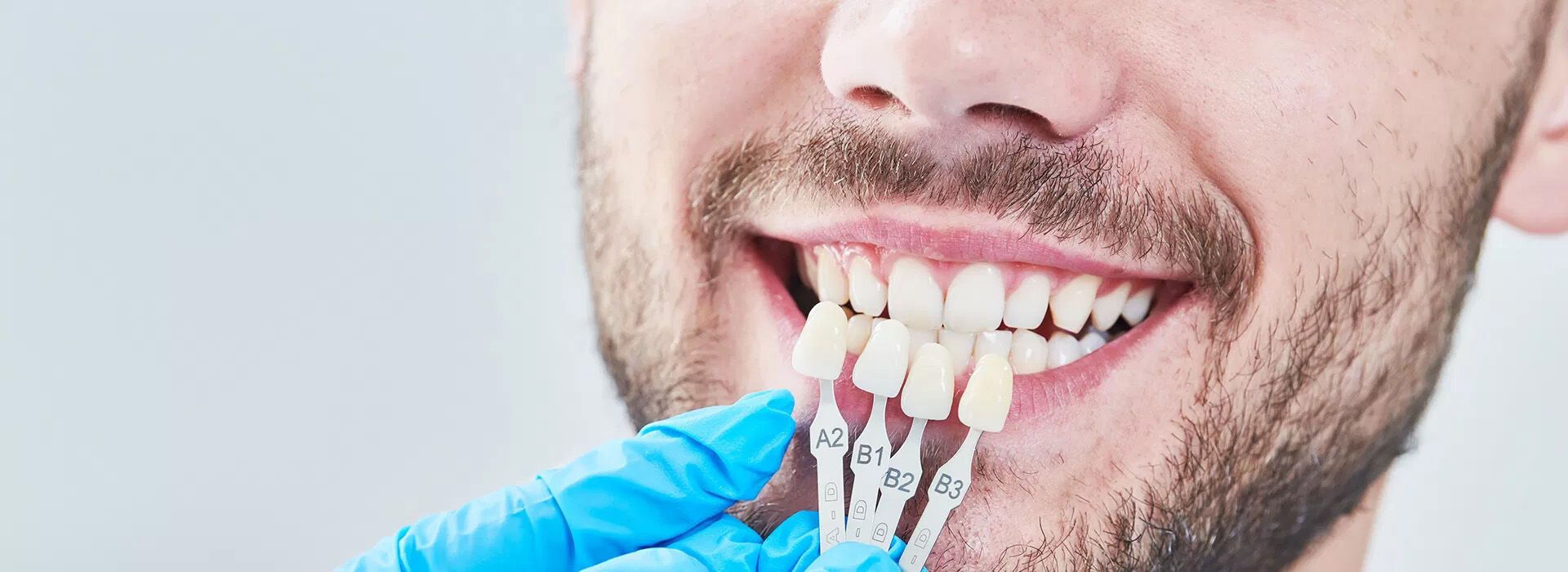


No-prep veneers are built around a simple idea: enhance the way your front teeth look without removing healthy enamel. These ultra-thin porcelain shells sit over the tooth surface rather than replacing it, which preserves natural structure and reduces the need for invasive preparation. For patients who want noticeable aesthetic improvement but prefer a minimally altered smile, this approach often strikes the right balance between appearance and preservation.
Many common concerns—mild discoloration that whitening won’t fully correct, small chips, slightly uneven edges, or tiny gaps—can be addressed effectively with no-prep veneers. Because the process typically avoids extensive drilling or reshaping, sensitivity after treatment is often minimal and recovery is quicker than with more aggressive restorations. That makes no-prep veneers an appealing choice for adults who want change without a long healing period.
Proper case selection is essential: not every tooth or smile benefits from an overlay shell. Ideal candidates tend to have reasonably aligned teeth with adequate enamel and realistic cosmetic goals. During a thorough evaluation, we discuss how no-prep veneers would interact with your bite, tooth proportion, and facial features so the result enhances your natural appearance instead of looking artificial.
Contemporary no-prep veneers are crafted from high-strength ceramics that mimic enamel’s translucency, surface texture, and light response. Unlike older restorative materials that could look blocky or flat, today’s porcelains are layered and finished to capture subtle color gradients and microscopic surface detail, which helps the veneers blend seamlessly with adjacent teeth.
Design begins with precise digital records—photographs, intraoral scans, and sometimes models—to guide the laboratory in shaping each veneer to your unique anatomy. Lab technicians and clinicians work together to match hue and brightness while accounting for facial shape and smile line. The thin profile of no-prep veneers requires exacting technique so the final bond is both secure and discreet.
Because these restorations are so refined, the finished aesthetic leans toward a natural, lived-in appearance rather than an exaggerated “perfect” look. That artistic restraint is often preferred by patients who want a refreshed smile that still feels authentically theirs.
The process starts with a comprehensive consultation: we examine teeth and gums, assess bite dynamics, and review images to determine whether a no-prep approach is appropriate. If the plan moves forward, we often create a diagnostic mock-up—either digitally or with a temporary material—so patients can preview proportions and make informed choices about shape and shade before any permanent work is done.
Treatment generally requires little to no anesthesia, given the minimal alteration of tooth structure. When the veneers are ready, each piece is carefully bonded to the front surface of the tooth using a strong dental adhesive and curing light. The clinician checks contacts, bite, and esthetics, making minute adjustments to ensure comfort and function before final polish.
Follow-up visits are important to confirm tissue health and occlusion. Because these restorations are thin and rely on precise bonding, early monitoring allows the team to address any concerns—such as minor adjustments to bite or contour—while the materials and tissues adapt to the new smile.
No-prep veneers are durable, but they are not maintenance-free. Daily oral hygiene—brushing twice with a non-abrasive toothpaste and flossing carefully—remains the cornerstone of long-term success. Routine professional cleanings and periodic exams let your dental team evaluate both the veneers and the underlying teeth for any early signs of wear or gum changes.
Certain habits can shorten the lifespan of any dental restoration: avoid using teeth to open packages, chewing ice, or repeatedly biting hard objects. If you grind or clench your teeth, a custom nightguard can protect veneers and natural enamel from excessive force. Because porcelain resists staining more than natural enamel, veneers often retain their appearance with regular care, but the surrounding natural teeth should be cared for as well to preserve overall balance.
When maintenance is needed—polishing, minor repairs, or replacement—addressing issues promptly helps prevent more extensive treatment later. Your dentist can recommend a personalized care schedule based on your oral health and lifestyle.
No-prep veneers excel for patients with modest cosmetic concerns who have healthy teeth and a stable bite. They are not the ideal choice when teeth are severely rotated, heavily damaged, or when bite correction is required; in those situations, traditional veneers, crowns, orthodontics, or a combination of treatments may be more appropriate. The decision rests on a careful clinical evaluation of enamel thickness, alignment, and functional forces.
When an alternative is recommended, it’s because long-term success and function take priority over immediate appearance. For example, orthodontic treatment may correct spacing or alignment issues, creating a better foundation for conservative restorations later. Similarly, restorative crowns may be necessary where structural strength is compromised.
A patient-centered plan considers both immediate aesthetic goals and the future health of the smile. During your consultation, the team at Advanced Dental Care of Las Colinas will review options, outline the benefits and limitations of each approach, and help you choose the most reliable path to an attractive, healthy outcome.
In summary, no-prep veneers offer a conservative route to a refreshed smile for the right candidate: minimal tooth alteration, natural aesthetics, and straightforward care make them a compelling option for many patients. If you’d like to learn whether this treatment could suit your goals, please contact us to schedule a consultation and get more information about next steps.
No-prep veneers are ultra-thin ceramic shells designed to bond to the front surfaces of teeth with minimal or no enamel removal. They are fabricated to replicate the translucency and texture of natural enamel while improving color, shape, and minor alignment concerns. Because they sit over the existing tooth structure, the process is typically less invasive than traditional veneer preparation.
These restorations are custom-made from high-quality porcelain or other durable ceramics and are bonded using modern adhesive systems. The conservative nature of no-prep veneers makes them an attractive option for patients who want cosmetic improvement while preserving healthy tooth structure. At Advanced Dental Care of Las Colinas, we evaluate each smile carefully to determine whether no-prep veneers will provide a natural, comfortable result.
The primary difference is the amount of tooth alteration required: traditional veneers usually involve removing a thin layer of enamel to create space for the restoration, while no-prep veneers are crafted thin enough to fit without significant reshaping. This distinction affects sensitivity, treatment time, and the potential for reversibility. No-prep veneers are therefore considered a more conservative cosmetic option when appropriate.
Traditional veneers offer greater flexibility for correcting severe discoloration, extensive wear, or significant misalignment because the dentist can adjust tooth contours during preparation. No-prep veneers work well for minor cosmetic concerns but may not be suitable for teeth that need substantial correction. A thorough clinical assessment helps determine which approach will achieve the best long-term outcome for each patient.
Good candidates typically have healthy teeth and gums with relatively minor cosmetic issues such as intrinsic staining, small chips, mild spacing, or slightly uneven tooth shapes. Adequate enamel thickness and a stable bite are important factors because they support secure bonding and long-term function. Patients with active decay, untreated gum disease, or significant malocclusion usually require other treatments before considering veneers.
During a consultation we evaluate tooth alignment, enamel condition, bite dynamics, and overall oral health to determine candidacy. If no-prep veneers are not the optimal choice, we will discuss alternative solutions such as traditional veneers, orthodontics, or restorative treatments that better address structural concerns. The goal is always to deliver an outcome that balances aesthetics, comfort, and long-term dental health.
The process begins with a comprehensive consultation that includes a clinical exam, digital imaging, and discussion of your smile goals. Digital impressions or scans are often taken to plan the case and allow previews or mock-ups so you can visualize expected results. Communication about desired shade, shape, and overall proportions is an essential part of this planning phase.
Once the design is finalized, the veneers are custom fabricated in a dental laboratory to match the agreed aesthetics and anatomy. Because minimal tooth alteration is required, bonding appointments are generally straightforward and may not require anesthesia for many patients. The dentist checks fit, contacts, and bite before final cementation and provides aftercare instructions to support long-term success.
No-prep veneers are commonly made from high-strength porcelains or advanced ceramic materials that offer excellent optical properties and resistance to staining. These ceramics are engineered to mimic natural enamel translucency while providing sufficient strength for normal chewing forces. The thin profile demands precision in material choice and laboratory fabrication to ensure both aesthetics and durability.
When crafted and bonded correctly, these veneers are durable and maintain color stability better than many composite alternatives. Longevity depends on the chosen material, the quality of the bond, the patient’s oral habits, and regular professional care. Proper maintenance and protective measures for parafunctional habits help preserve the restoration’s integrity over time.
Caring for no-prep veneers is similar to maintaining natural teeth: brush twice daily with a non-abrasive toothpaste and floss carefully around the gumline to prevent plaque buildup. Routine dental cleanings and examinations are important to monitor the health of enamel, gums, and the veneer margins. Professional visits also allow your dentist to detect and address any emerging wear or bonding concerns early.
Avoid using your teeth as tools, biting hard objects, or chewing ice, and discuss nightwearing habits with your dentist if you grind or clench your teeth. In many cases a custom nightguard is recommended to protect veneers from excessive forces during sleep. Consistent home care and protective strategies will maximize the lifespan and appearance of your veneers.
No-prep veneers are sometimes described as potentially reversible because they require little to no enamel removal, unlike traditional veneers that permanently alter tooth structure. However, the bonding process and the addition of ceramic material change the tooth’s surface, and removing veneers may necessitate further restoration or replacement of the tooth surface. Patients should understand that any removal can involve trade-offs and should be discussed in advance.
Decisions about reversibility should be made with a clear understanding of long-term implications, including the potential need for future restorations. A conservative treatment plan and thorough informed consent help ensure patients are comfortable with the chosen approach. Your dentist will explain realistic expectations and any steps required if you later choose to change or remove a restoration.
No-prep veneers are not suitable for all clinical situations; they have limitations when teeth are severely rotated, heavily restored, or exhibit extensive structural damage. Because they add thickness to the tooth surface, improper case selection can lead to an over-contoured appearance or altered bite if not carefully planned. There is also a risk of chipping or debonding if veneers are exposed to excessive forces or trauma.
Sensitivity, while often reduced compared with more invasive preparations, can still occur in some cases, and veneers require ongoing oral hygiene to protect the underlying tooth. Your dentist will evaluate potential risks during the consultation and recommend alternative restorative or orthodontic options when necessary. Good case selection and high-quality laboratory work minimize many common complications.
Yes, no-prep veneers can often close small gaps and mask minor misalignment by reshaping and recontouring the visible portions of teeth. This approach can provide faster cosmetic improvement than orthodontics for select cases where alignment issues are modest and occlusion is favorable. The result is primarily aesthetic, so it is important to ensure functional harmony is maintained.
For moderate to severe crowding, bite problems, or cases where tooth position affects long-term health, orthodontic treatment or combined restorative approaches may be recommended. During treatment planning your dentist will assess how veneers will interact with the bite and whether additional procedures are needed to ensure stable, healthy results. A collaborative, individualized plan helps determine the most appropriate path to a lasting smile.
During your consultation, ask about candidacy factors such as enamel thickness, bite function, and whether any preparatory care is required before placing veneers. Request information about the materials recommended, the fabrication process, and how your dentist plans to preview the expected outcome through digital simulations or mock-ups. Clear discussion about maintenance needs, protective strategies for grinding, and how the veneers will be monitored over time is also important.
It is appropriate to inquire about expected steps if a veneer were to chip or debond, and how replacement or repair would be handled. You may also ask to see examples of conservative cases and to discuss alternatives that preserve long-term dental health. At Advanced Dental Care of Las Colinas we prioritize informed decision-making and will review these topics thoroughly so you can choose the option that best aligns with your goals and oral health.
Quick Links