

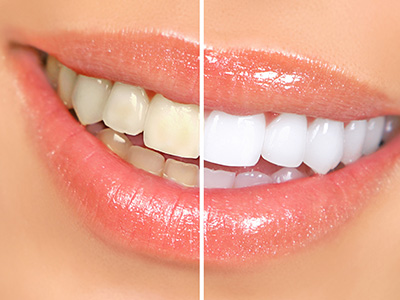
Opalescence® Go Teeth Whitening offers a professional-strength, ready-to-use option for people who want a brighter smile without the complexity of custom trays or lengthy in-office sessions. The system comes with prefilled, disposable trays that conform to your teeth, so treatment is straightforward and portable. Because the trays are thin and flexible, many patients find them comfortable enough to use during normal daily activities.
This approach is especially well suited to busy schedules: you don’t need impressions, lab work, or multiple appointments just to begin. Your dentist evaluates your oral health, confirms candidacy for whitening, and provides the product with clear instructions—giving you the safety and oversight of a dental professional in a low-effort format. That combination of convenience and clinical oversight makes Opalescence® Go a common choice for those preparing for an event or simply seeking routine cosmetic improvement.
While the product is easy to use, it remains a professional-grade option with technologies designed to deliver consistent results when used as directed. The prefilled trays reduce mess and guesswork, which can make the whitening process feel less intimidating for first-time users. If you prefer a teeth-whitening option that’s both dentist-dispensed and travel-friendly, this is an efficient solution to consider.
At its core, dentist-dispensed whitening uses peroxide-based agents to penetrate enamel and break down stain molecules. Opalescence® Go utilizes a professionally formulated whitening gel delivered in single-use trays, allowing the active ingredients to work directly on the tooth surface. The controlled formulation balances effectiveness with sensitivity management, which is important for patients who experience discomfort during whitening.
The trays are thermoformed to sit close to the teeth, improving contact between the gel and the tooth enamel for more even whitening. Because the product comes from a dental practice, you also benefit from a clinician’s understanding of how whitening interacts with existing restorations such as crowns, veneers, or composite fillings. A dental exam prior to treatment helps ensure you receive the right recommendation for your specific situation.
Results depend on initial tooth shade, the nature of the stains (extrinsic vs. intrinsic), and adherence to the recommended regimen. While individual outcomes vary, patients typically notice a visible improvement compared with over-the-counter options, thanks to the higher-grade gel and professional guidance that accompanies the product.
Before you begin, a dental team will review your oral health and discuss realistic expectations based on your enamel condition and staining pattern. If you have untreated decay, active gum disease, or exposed dentin, these issues should be addressed first to protect your comfort and long-term oral health. Once cleared, you’ll receive step-by-step instructions for how and when to use the prefilled trays.
Using the trays is typically a low-maintenance process: insert the tray, allow the gel to sit for the prescribed time, then remove and discard. Some patients wear the trays for short sessions each day over a period of days, while others follow an alternate schedule depending on their needs and the dentist’s guidance. The simplicity of the routine makes it easier to maintain consistent application, which is key to predictable results.
After completing a whitening course, routine care like good oral hygiene and limiting stain-causing foods and beverages can help maintain your results. Periodic touch-ups—using additional single-use trays or a follow-up professional treatment—can refresh shade over time if staining recurs due to lifestyle factors like coffee or tobacco use.
Mild to moderate sensitivity is a common temporary side effect of peroxide-based whitening and usually subsides shortly after treatment ends. To minimize discomfort, your dental team can recommend practical strategies such as using a desensitizing toothpaste, shortening initial wear times, or spacing treatments to allow the teeth to acclimate. Most sensitivity is transitory and manageable with these simple adjustments.
Beyond sensitivity management, protecting newly whitened teeth involves sensible daily habits: avoid highly pigmented foods and acidic beverages immediately after whitening, maintain regular brushing and flossing, and use a soft-bristled toothbrush to reduce abrasion. If you have restorations in your front teeth, your dentist can explain how whitening may affect their color match and discuss replacement or adjustment options if needed.
If you experience prolonged or severe sensitivity, gum irritation, or any unexpected reaction, contact your dental provider. Professional supervision ensures that any adverse effects are evaluated promptly and that your treatment plan is modified as needed to prioritize comfort and safety.
Choosing a dental practice to provide and supervise whitening gives you a blend of convenience and clinical oversight. A dentist can determine whether whitening is appropriate for your smile, identify underlying issues that could complicate treatment, and recommend complementary measures—such as professional cleaning or enamel-strengthening care—that improve both outcome and safety. This personalized approach reduces the risk of complications that can arise from unsupervised over-the-counter products.
At Advanced Dental Care of Las Colinas, our team pairs modern techniques with patient education, ensuring you understand how the product works and what to expect during and after treatment. That professional guidance often leads to more predictable results and a more comfortable experience. We prioritize a cautious, evidence-based approach so you can whiten with confidence rather than guesswork.
Ultimately, professional whitening is about informed choice: you gain access to higher-quality materials and clinical judgment while keeping the process simple and compatible with your routine. If you want a practical, dentist-supervised path to a brighter smile—without the commitment of in-office procedures—Opalescence® Go Teeth Whitening is an option worth discussing with your care team.
In summary, Opalescence® Go Teeth Whitening can be an effective, low-friction way to enhance your smile under professional guidance. If you’d like to learn whether this approach is right for you, please contact us for more information and guidance.
At Advanced Dental Care of Las Colinas, we offer Opalescence Go, a professional ready-to-use whitening system designed for convenience and predictable improvement in tooth brightness. The product is delivered in prefilled, disposable trays that conform closely to the dental arches to provide even gel contact with the enamel. These trays allow patients to whiten without impressions, custom trays, or lengthy chairside appointments. Many people choose Opalescence Go when they want a clinically formulated option that fits a busy schedule.
The whitening gel contains a professionally formulated hydrogen peroxide agent that helps break up common extrinsic stains caused by coffee, wine, tobacco and many foods. When used as directed, the gel penetrates the enamel to lift discoloration and improve tooth shade while minimizing mess. The system is intended for short, controlled wear and is supplied with clear instructions to promote safe, effective treatment.
Opalescence Go differs from many over-the-counter kits through its professional formulation and quality control, which are designed to deliver more consistent clinical results. The gel is prepared to dental standards and is dispensed in single-use trays that reduce mess and help ensure even coverage. Unlike generic strips or dentifrices, Opalescence Go is used under professional guidance to optimize whitening outcomes and manage sensitivity. Your dental team can recommend the most suitable product strength based on your oral health and aesthetic goals.
The fit of the prefilled trays generally provides more uniform coverage than many store-bought options and helps limit gel contact with soft tissues. Because the product is distributed through dental offices, patients receive tailored instructions and follow-up support to address any concerns. That combination of clinical oversight and purpose-made delivery often yields more predictable results than off-the-shelf alternatives.
Good candidates are adults with healthy teeth and gums who want to reduce extrinsic staining from lifestyle factors such as coffee, tea, wine or tobacco. Patients with active decay or untreated gum disease should complete those treatments before whitening to avoid irritation and uneven results. Opalescence Go is generally not recommended for young children, people who are pregnant or nursing without discussing risks with their provider, or patients with severe sensitivity unless a dentist advises otherwise. A brief dental exam helps determine candidacy and rule out contraindications.
It is important to understand that whitening affects natural tooth enamel and will not change the color of crowns, veneers or composite restorations. If restorations are present on visible teeth, your dentist can discuss sequencing treatments and whether replacement of restorations is advisable after whitening. That planning helps achieve a predictable, harmonious aesthetic outcome.
Using Opalescence Go begins with a clean mouth: brush and floss to remove plaque and debris so the whitening gel can act on the tooth surface. Open the single-use tray, remove any protective film, and seat the tray over your teeth, pressing gently to achieve full coverage while avoiding prolonged gel contact with the gums. Wipe away any excess gel with a clean tissue before you begin the prescribed wear period to reduce soft-tissue irritation.
Wear times vary by product strength and by your dentist's instructions; many patients complete a series of daily short sessions rather than a single prolonged application. After the recommended wear time, remove and discard the tray and rinse your mouth thoroughly to remove residual gel. Store any unused unopened trays according to the manufacturer's guidance and contact your dental team if you experience persistent discomfort or unexpected reactions.
Some patients notice a visible change after the first one or two applications, particularly when addressing surface stains. The degree and speed of whitening depend on the type and depth of discoloration as well as the product strength used. Intrinsic stains or long-standing discoloration can take longer to improve and sometimes respond better to alternative cosmetic treatments beyond tray whitening.
Optimal results typically appear after completing the recommended course of treatment, which your dentist will outline based on your goals. Consistency and adherence to instructions are important for predictable shade improvement. If expectations are not met, your dental team can recommend complementary procedures or adjusted protocols to reach your desired result.
How long results last varies widely and depends on factors such as diet, oral hygiene and tobacco use. Avoiding frequent exposure to staining agents and maintaining a diligent home-care routine helps extend the benefits of whitening. Individual enamel characteristics and lifestyle choices also influence longevity, so outcomes differ from person to person.
Many patients maintain noticeable improvement for months to years, but periodic touch-ups are normal to preserve the desired shade. Your dentist can recommend a maintenance cadence that fits your lifestyle, which may include occasional at-home applications or in-office refreshes. Routine professional cleanings also help keep stains from building up and support long-term results.
The most common side effect is transient tooth sensitivity during or shortly after whitening, and this typically resolves without intervention. Some patients may also experience mild gum irritation if gel contacts soft tissues for extended periods of time. These effects are usually temporary and can often be managed with simple adjustments to the wear schedule or desensitizing products.
To reduce sensitivity, consider using a desensitizing toothpaste, shortening wear times, or spacing applications as advised by your dentist. If you experience severe pain, prolonged sensitivity or signs of soft-tissue irritation, stop treatment and contact your dental provider for evaluation. Your dental team can recommend alternative approaches or desensitizing protocols to keep you comfortable throughout treatment.
Whitening agents lighten natural tooth enamel but do not change the shade of restorations such as crowns, veneers or bonded fillings. As a result, existing restorations may appear relatively darker after natural teeth are whitened. Understanding this limitation ahead of time helps patients plan cosmetic sequencing appropriately.
If you have visible restorations, your dentist can evaluate whether any restorations should be replaced after whitening to achieve a uniform appearance. Shade matching is most predictable when restorations are fabricated to complement the final tooth color. Coordinating whitening and restorative care ensures a harmonious, long-lasting aesthetic result.
To maintain whitening results, practice good oral hygiene by brushing twice daily, flossing daily and visiting your dentist for regular cleanings. Limiting or moderating intake of highly pigmented foods and beverages such as coffee, tea, red wine and dark sauces will help slow the return of stains. If you smoke, quitting or reducing tobacco use will significantly aid in preserving your new shade.
Using a whitening toothpaste or occasional touch-up trays as recommended can refresh results between professional visits. Rinsing with water after consuming staining substances and using a straw for beverages can help reduce direct contact with tooth surfaces. Discuss a personalized maintenance plan with your dentist to keep your smile bright over time.
To get started with Opalescence Go at Advanced Dental Care of Las Colinas, call our office at (972) 506-9688 to schedule a consultation and oral evaluation. During the appointment, the dentist or hygienist will review your dental history, assess your oral health and discuss realistic whitening goals. This visit helps determine whether Opalescence Go is the right option for you and which wear protocol is most appropriate.
If you proceed, your team will provide clear instructions for safe home use, explain expected outcomes and arrange any necessary follow-up. Clinical oversight helps manage sensitivity and ensures you complete whitening with predictable results. Contact our office if you have questions before or during treatment so we can support your care.
Quick Links