


At the office of Advanced Dental Care of Las Colinas, we focus on creating healthy habits and providing thoughtful care that supports children from infancy through the teenage years. Our pediatric dentistry approach combines prevention, development-focused assessments, and compassionate treatment so parents can feel confident their child's smile is being managed with skill and respect.

Early dental care sets the stage for a lifetime of oral health. We emphasize regular, gentle checkups so we can monitor growth, detect issues early, and reinforce positive habits. Routine visits give children a chance to become comfortable with the dental setting while allowing clinicians to watch how teeth and jaws are developing.
Prevention is the foundation of our pediatric program. Beyond cleanings and exams, we focus on education—helping parents and children understand how daily habits, nutrition, and timing of care influence long-term outcomes. When preventive practices are consistent, problems such as cavities and alignment concerns are often easier to manage or avoid.
Our team works to make each appointment calm and informative. We take time to explain findings in plain language and to include parents in decision-making. This collaborative model reduces anxiety for young patients, encourages cooperation, and supports better oral health between visits.
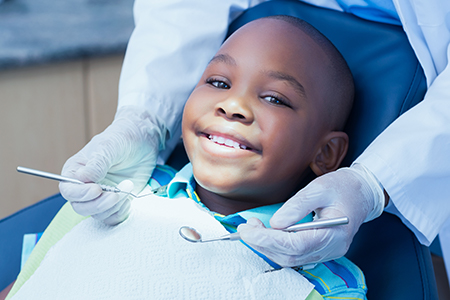
Regular dental exams are about more than detecting cavities. Each visit includes a focused evaluation of the teeth, gums, jaws, and oral tissues to ensure development is progressing appropriately. We look for early signs of wear, decay, misalignment, or habits that could affect future growth so we can recommend timely interventions when needed.
Clinical exams are complemented by targeted imaging when indicated. Digital radiographs allow us to see areas beneath the enamel, check for decay between teeth, and evaluate the position of developing permanent teeth. When used judiciously, these tools help us make accurate diagnoses with minimal exposure.
A professional cleaning removes plaque and debris that brushing can miss, and it’s an opportunity to demonstrate effective home-care techniques. We also tailor preventive recommendations—such as topical treatments or sealants—for each child's risk profile so protection is aligned with individual needs.
Tooth decay remains a common childhood condition, but it is largely preventable with the right measures. Decay begins when bacteria and sugars interact on tooth surfaces, producing acids that erode enamel. Identifying risk factors—dietary habits, oral hygiene practices, and biological susceptibility—allows us to create targeted prevention plans.
Protective strategies include personalized home-care instruction, professional cleanings, and the selective use of enamel-strengthening treatments and sealants for vulnerable chewing surfaces. We explain the rationale for each preventive option so families can make informed choices that fit their child’s situation.
Parents often appreciate practical tips we provide to reduce decay risk: limiting frequent sugary snacks and drinks, encouraging water between meals, supervising brushing until children can manage a thorough routine, and scheduling consistent dental checkups to catch small problems before they escalate.
Start dental care early and establish a familiar routine so visits feel normal and stress-free.
Keep baby teeth clean with gentle wipes or a soft brush, progressing to age-appropriate toothpaste and brushes as teeth erupt.
Avoid putting a baby to bed with bottles containing anything other than water to reduce prolonged exposure to sugars.
Bring children for regular exams and cleanings so we can track development and address challenges early.
Model consistent brushing and flossing—children learn habits best by watching caregivers.
Choose balanced snacks and limit sugary beverages; water and whole foods support both oral and overall health.
Offer gentle support to wean pacifiers and discourage thumb sucking as children approach school age to protect growth.
Use a properly fitted mouthguard for children who participate in contact or high-impact sports.

Primary teeth play important roles in speaking, chewing, and guiding permanent teeth into place. Because these early teeth are so important, the American Dental Association and the American Academy of Pediatric Dentistry recommend that children establish dental care early—around the time the first teeth appear or by the first birthday.
Initial visits are gentle and focused on education: we review finger- and bottle-related habits, safe cleaning techniques for emerging teeth, and signs of common concerns like teething discomfort or early decay. These appointments are an introduction to dental care rather than a battery of treatments, helping children build trust with the dental team.
When teething or minor irritations occur, we offer practical guidance for soothing gums and monitoring progress. If early problems arise, intervention at a young age can prevent complications later on and make future care simpler and less invasive.
Children are active by nature, and accidental injuries to the mouth can happen in play, on the playground, or during organized sports. A well-fitted mouthguard is one of the most effective ways to reduce the risk of dental trauma and should be considered for any child participating in contact activities.
Not all dental issues are the result of injury—painful toothaches, swelling, or sudden changes in a child’s bite also require prompt attention. When problems arise, timely evaluation helps control discomfort and limits the chance of more extensive treatment later on.
For children who are anxious or have special healthcare needs, we discuss options that prioritize safety and comfort. Our goal is to provide reliable emergency care when necessary and to partner with families on the best approach for each child’s temperament and medical situation.
Monitoring facial growth and dental development is an important part of pediatric care. Early examinations allow us to identify emerging issues with jaw alignment, crowding, or bite patterns that could benefit from observation or early intervention. Many orthodontic concerns can be more effectively managed when detected in childhood rather than waiting until growth is complete.
We provide guidance about the right time to consult orthodontic specialists and, when appropriate, refer families for an evaluation. Early screening does not always mean immediate treatment; rather, it helps create a timeline that keeps children on track and minimizes surprises later.
Nutrition is another pillar of a healthy smile. A balanced diet rich in calcium, vitamin D, and other essential nutrients supports tooth and bone development. Reducing frequent exposure to sugary or sticky foods, encouraging water, and selecting tooth-friendly snacks are practical ways parents can reinforce dental health every day.
As children transition to permanent teeth, regular dental visits help coordinate care among general dentists, pediatric specialists, and orthodontists as needed. We work with families to set reasonable expectations, outline preventive steps, and recommend timely interventions when growth patterns suggest a benefit from early treatment.
Open communication with parents is central to our approach: we explain findings, outline possible pathways, and support informed decisions that reflect each child's needs and family priorities.
Good nutritional choices are accessible and impactful. Encouraging water over sweetened beverages, offering fresh fruits and vegetables instead of sticky candies, and ensuring regular meals help reduce tooth-damaging exposures while promoting overall development. Small, consistent adjustments at home can produce meaningful benefits for a child's oral health.
In summary, pediatric dentistry is about prevention, development-aware care, and supportive partnerships with families. At Advanced Dental Care of Las Colinas, our team is committed to helping children build healthy habits, protecting growing smiles, and responding promptly when issues emerge. Contact us to learn more about our pediatric services or to discuss how we can support your child's dental health.
The American Academy of Pediatric Dentistry and the American Dental Association recommend scheduling a child's first dental visit around the time of their first birthday or when the first tooth appears. Early visits allow the dentist to monitor dental development, identify potential concerns, and establish a positive relationship between your child and the dental team. Beginning care early also gives parents the chance to ask questions about home care, diet, and pacifier or thumb-sucking habits.
At the first visit the clinician will review your child's medical and dental history, perform a gentle exam of the teeth and gums, and offer guidance on brushing and feeding practices. Depending on need, the dentist may demonstrate cleaning techniques, discuss fluoride use, and make a follow-up plan tailored to your child's growth and risk for decay. Families leave with specific steps to protect their child's oral health as their smile develops.
For infants, begin by wiping the gums with a clean, damp washcloth after feedings to remove bacteria and sugars that can harm emerging teeth. Once teeth appear, use an age-appropriate soft-bristled toothbrush and a smear of fluoride toothpaste as recommended by your dentist or pediatric guidelines; supervise brushing to minimize swallowing. Establishing a gentle daily routine helps children become comfortable with oral care and sets the stage for independent brushing as they grow.
As more teeth come in, parents should assist or perform brushing until a child has the dexterity to brush effectively on their own, typically around age six to eight. Introduce flossing when two teeth touch and continue to reinforce proper technique and timing. Regular dental visits will ensure your child's home care is effective and will allow the clinical team to provide specific, age-appropriate recommendations.
Teething commonly causes increased drooling, gum tenderness, irritability, disrupted sleep, and a tendency to chew on objects. These symptoms usually start when the first teeth begin to erupt, often between six and twelve months, though timing can vary. Mild discomfort is normal, but high fever, prolonged diarrhea, or extreme lethargy are not typical teething signs and should prompt medical evaluation.
Comfort measures include offering a chilled (not frozen) teething ring, gently massaging the gums with a clean finger, and providing extra cuddling and reassurance. Over-the-counter pain relief should be used only under direction from a pediatrician or dentist, and parents are encouraged to call the dental office if they have concerns about the severity or duration of symptoms. Safe soothing techniques can help your child through the teething phase while minimizing distress.
Routine dental checkups and professional cleanings are typically recommended every six months for most children to help prevent cavities and detect emerging problems early. Some children with higher risk factors, such as a history of cavities or certain medical conditions, may benefit from more frequent visits tailored to their needs. Regular exams provide opportunities for topical fluoride, oral hygiene instruction, and monitoring of growth and eruption patterns.
During each visit the dental team will assess teeth, gums, bite alignment, and oral habits, and will take digital radiographs when clinically indicated to evaluate structures beneath the surface. Preventive services during these appointments reduce the likelihood of more invasive treatment later and help parents maintain effective at-home routines. If concerns arise between scheduled visits, the office should be contacted promptly for guidance and possible expedited care.
Effective prevention starts with consistent daily habits: brush twice a day with a soft brush and fluoride toothpaste, supervise flossing as needed, and limit sugary snacks and drinks. Avoid letting infants fall asleep with a bottle containing milk or juice, and favor water between meals to reduce prolonged exposure to sugars. Encouraging a balanced diet rich in whole foods supports healthy tooth and jaw development while lowering decay risk.
In addition to home care, parents should schedule regular dental visits for professional cleanings and risk assessment, and follow the dentist's guidance on fluoride and sealants. Modeling good oral hygiene and making brushing a positive, routine part of the day helps children build lifelong habits. If a child shows early signs of decay or sensitivity, seek dental advice promptly to address issues before they progress.
Fluoride treatments are commonly recommended for children at risk of tooth decay and can be applied in the dental office as a varnish to strengthen enamel and reduce cavity formation. The clinical team will evaluate each child's decay risk and make individualized recommendations based on age, home fluoride exposure, and oral hygiene. Fluoride use should follow professional guidance to ensure the correct type and amount for the child's developmental stage.
Dental sealants are thin protective coatings applied to the chewing surfaces of permanent molars and premolars once those teeth come in, typically after age six and again around age 12 when additional molars emerge. Sealants help block grooves where food and bacteria collect, and they are most effective when placed soon after the tooth erupts. Your dentist will discuss the timing and appropriateness of these preventive measures during routine exams.
Sucking behaviors are common and normal in infancy and early toddlerhood, and most children stop on their own by age 3 to 4. If thumb or pacifier sucking continues beyond the preschool years, it can alter tooth alignment and jaw development, potentially leading to bite issues or speech concerns. The longer and more intense the habit, the greater the chance it may influence dental growth.
Parents should monitor the habit and use positive, supportive methods to help the child reduce or stop sucking as appropriate, such as gradual weaning, distraction, and rewards for small milestones. If the habit persists past age 4 or if changes in tooth position are noted, consult the dentist for strategies and possible referral to an orthodontic specialist. Early, constructive intervention can often prevent the need for more extensive corrective treatment later.
Orthodontic evaluation is generally recommended by age 7, when the dentist or orthodontist can assess jaw growth and tooth eruption patterns to identify developing problems early. Many alignment or bite issues are easier to manage when detected in mixed dentition, because interceptive treatment can guide growth and reduce the complexity of later orthodontic care. Early screening allows clinicians to recommend monitoring or timely intervention if concerns are present.
Not every child will need early orthodontic treatment, but periodic assessment through regular dental visits helps determine the right timing for care. If the dentist identifies issues such as severe crowding, crossbite, or jaw asymmetry, a referral to an orthodontic specialist may be advised. Parents should discuss any family history of malocclusion or developmental concerns so the dental team can plan appropriate follow-up.
In the event of a dental injury or sudden pain, contact the dental office promptly for specific instructions and to arrange urgent care when needed. For a knocked-out permanent tooth, time is critical: handle the tooth by the crown, rinse it gently if dirty, and either reinsert it into the socket or store it in milk or a suitable preservative solution while seeking immediate dental attention. For a knocked-out baby tooth, do not attempt to reinsert it; instead, call the dentist for guidance.
Other emergencies such as severe toothache, swelling, or a broken filling require timely evaluation to prevent infection and resolve pain. The dental team can provide advice on interim care measures, pain control, and the fastest way to arrange treatment. Keeping the office's emergency contact information handy and arriving prepared with your child's medical history will help the clinician respond efficiently.
Dental anxiety and special needs are common considerations in pediatric care, and the office uses behavior guidance techniques to create a calm, supportive environment for each child. The team will explain procedures in age-appropriate language, allow acclimation to the operatory, and use distraction or stepwise desensitization as needed to reduce fear. For children with medical or developmental needs, the dental staff coordinates care and adapts appointments to maximize comfort and safety.
When additional support is appropriate, the dentist may discuss options such as nitrous oxide or other sedation modalities to help children tolerate necessary treatment safely and effectively. Parents should share their child's medical history, prior experiences, and any concerns in advance so a personalized plan can be made. At Advanced Dental Care of Las Colinas the goal is to provide compassionate, evidence-based care that respects each child's needs and helps build confidence in the dental setting.
Quick Links