

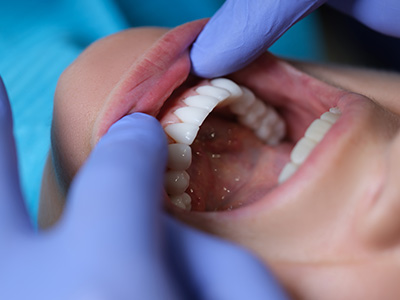
Periodontal surgery is a targeted set of procedures designed to stop destructive gum disease and rebuild the tissues that support your teeth. When nonsurgical care—like professional cleanings and improved home hygiene—can no longer control the infection and inflammation, surgery becomes a practical step to remove disease-causing bacteria, reduce harmful pocket depth, and restore a healthier gum and bone environment.
At its core, the goal of periodontal surgery is functional: to preserve natural teeth and the bone that anchors them. By accessing areas that are unreachable with routine tools, a clinician can remove deposits and diseased tissue, reshape affected structures, and create conditions that make long-term maintenance achievable. Successful surgery reduces the risk of continued bone loss and the complications that follow.
Procedures vary according to each patient’s needs, but they all share a common objective: to improve the foundation that supports your smile. With careful assessment and follow-up, surgery can convert a progressive situation into a controllable one, allowing for more predictable, long-term oral health.
Periodontal disease progresses along a spectrum—from mild gingivitis to advanced periodontitis—and certain clinical signs suggest that surgery should be considered. Detectable indicators include deepened periodontal pockets, persistent bleeding despite treatment, progressive attachment loss, and radiographic evidence of bone loss. When pockets measure 5 mm or more and conservative measures fail to reduce them, surgical access is often recommended to thoroughly clean root surfaces and address underlying damage.
Beyond pocket depth, other factors influence the decision: the pattern and rate of bone loss, tooth mobility, and how well patients respond to non-surgical therapy. Systemic health considerations—such as diabetes or smoking—also play a role in timing and selection of procedures because they affect healing and disease control.
Because periodontal disease is dynamic, deciding on surgery involves both current findings and realistic expectations for ongoing maintenance. A thoughtful treatment plan weighs surgical benefits against recovery needs and long-term oral hygiene commitment to ensure the best possible outcome.
Flap surgery (also called pocket reduction surgery) is a conventional and widely used approach. During this procedure, the gum tissue is gently reflected away from the tooth roots and bone to allow direct visualization and thorough cleaning. After removing plaque and calculus and recontouring any damaged bone, the tissue is repositioned and sutured to encourage healing and reduce pocket depth.
Regenerative techniques aim to rebuild lost bone and attachment using graft materials and biologic agents when the anatomy of the defect is favorable. These methods encourage the body to regrow supporting structures rather than simply arresting the disease, and they are commonly used where bone defects are localized and amenable to regeneration.
In select cases, minimally invasive options such as laser-assisted therapy may be employed to remove diseased tissue and disinfect pockets with less soft-tissue trauma. Lasers can complement traditional surgery in appropriate situations, but they are not a universal replacement and must be selected based on clinical need and evidence-based expectations.
Preparation for periodontal surgery begins with a comprehensive evaluation and nonsurgical therapy to reduce inflammation and bacterial load. Your clinician will review medical history, discuss anesthesia or sedation options, and explain the steps of the planned procedure so you know what to expect. Clear preoperative instructions—such as medication guidance and preparation for the day of surgery—help ensure safety and comfort.
During the procedure, most patients are comfortable and experience only localized numbness or controlled sedation. The length and complexity depend on the areas treated and whether regenerative materials are used. Your dental team will prioritize gentle technique and infection-control measures throughout.
Recovery varies, but typical healing includes a few days of mild discomfort and swelling that can be managed with prescribed or over-the-counter medications and cold-compression techniques. Proper home care—gentle rinsing, careful brushing in adjacent areas, and any prescribed antimicrobial rinses—plays a major role in recovery. Follow-up visits allow the clinician to remove sutures when appropriate, monitor healing, and reinforce maintenance steps.
Periodontal surgery addresses the destructive process but does not immunize a person against future disease. Long-term success depends on a combination of excellent daily oral hygiene, professional periodontal maintenance visits, and lifestyle choices that support healing. Regular maintenance cleanings—often every three to four months after surgical therapy—help control bacterial levels and detect any recurrence early.
Patients who commit to meticulous plaque control, avoid tobacco, and manage systemic risk factors generally enjoy better outcomes. Your dental team can provide personalized hygiene instruction and a maintenance schedule tailored to your condition, which maximizes the durability of surgical improvements.
When surgical therapy is integrated into an ongoing prevention strategy, it can convert an advancing problem into a manageable one. With realistic expectations, consistent self-care, and routine professional oversight, most patients retain healthy, functional teeth and minimize the need for more extensive interventions in the future.
In summary, periodontal surgery is a purposeful and evidence-based path for stopping progressive gum disease and rebuilding the supporting structures around teeth when conservative care is no longer enough. The office of Advanced Dental Care of Las Colinas offers thorough evaluations and individualized treatment planning to determine the most appropriate surgical options for each patient. If you would like to learn more about how periodontal surgery might help preserve your smile, please contact us for more information.
Periodontal surgery refers to a group of procedures designed to treat advanced gum disease that cannot be controlled with non-surgical care alone. These procedures remove bacteria and tartar from deep periodontal pockets, reduce pocket depth, and address damage to the gums and supporting bone. Surgery becomes necessary when pocket depths are consistently 5 mm or greater, when pockets remain after deep cleanings, or when tissue and bone loss threaten the long-term stability of a tooth.
The goal of treatment is to halt disease progression and create conditions that make daily home care and professional maintenance more effective. Your dentist or periodontist evaluates pocket depth, bleeding on probing, radiographic bone levels, and clinical attachment to determine the need for surgery. Early intervention improves the chance of preserving natural teeth and limiting further bone loss.
Flap surgery is a common periodontal procedure in which the gum tissue is gently reflected away from the tooth to expose the root surfaces and underlying bone for thorough cleaning. The clinician removes subgingival bacteria and calculus, recontours any damaged bone if needed, and then repositions and sutures the tissue to reduce pocket depth. The procedure is typically performed with local anesthesia, and in some cases sedation is offered for patient comfort.
After the procedure you can expect some swelling and mild discomfort that is managed with cold compresses and prescribed or over-the-counter pain relief as recommended. Sutures are usually removed or checked during a follow-up visit within one to two weeks, and your clinician will give specific home-care instructions to protect the surgical site. Restoring a clean, maintainable environment around the teeth is the primary objective of flap surgery.
Yes. Non-surgical options include scaling and root planing (deep cleaning), adjunctive antimicrobial therapies, and improved home care, which may control disease in many early and moderate cases. In some situations, laser-assisted periodontal therapy or localized delivery of antibiotics can reduce pocket bacteria and inflammation without traditional surgery.
However, when pockets are too deep for instruments to reach effectively or when there is significant bone loss, surgical intervention is often the most predictable way to restore a healthy periodontal environment. Your dental team will review all conservative and surgical options and recommend a treatment plan based on clinical findings and your overall health.
Periodontal surgery includes several procedures tailored to specific needs, such as flap surgery for pocket reduction, bone grafting and guided tissue regeneration to restore lost bone, and soft tissue grafts to address gum recession. Crown lengthening may be performed for restorative or aesthetic reasons, and laser periodontal therapy can be an adjunct or alternative in select cases. Each procedure focuses on removing disease and rebuilding or reshaping tissues to support long-term oral health.
Your clinician will recommend the appropriate procedure based on pocket depth, the pattern and amount of bone loss, gingival recession, and your restorative goals. Combining surgical approaches is common when complex damage requires both soft tissue and bone repair to restore function and facilitate maintenance.
Preparation begins with a thorough clinical exam, periodontal charting, and radiographs so your clinician can plan the most effective approach. You should provide an accurate medical history and a list of current medications, as certain health conditions and drugs can affect healing or alter surgical recommendations. If you smoke, your clinician will advise on cessation strategies because smoking impairs healing and reduces the success rate of periodontal procedures.
On the day of surgery follow the specific instructions from your dental team, which may include fasting guidelines if sedation is planned and arranging transportation if necessary. Practicing excellent oral hygiene in the days leading up to surgery and addressing uncontrolled conditions such as diabetes can also improve outcomes and reduce post-operative complications.
Initial recovery typically involves mild to moderate swelling, some discomfort, and light bleeding in the first 24 to 48 hours, all of which are common and manageable with home care and medications recommended by your clinician. Soft foods, gentle oral hygiene around the surgical site, and cold compresses help control swelling and protect sutures. You will receive specific instructions regarding brushing, rinsing, and any antimicrobial rinses to minimize infection risk.
Soft tissue healing usually becomes well established within one to two weeks, while deeper tissue remodeling and bone healing can take several months. Regular follow-up visits are important to monitor healing, remove or check sutures, and adjust maintenance care as the tissues mature. Long-term stability depends on consistent home care and adherence to professional periodontal maintenance.
Surgical treatment removes bacteria and diseased tissue from deep periodontal pockets and restores anatomy that supports effective cleaning, which reduces ongoing destruction of bone and soft tissues that hold teeth in place. By controlling local infection and inflammation, periodontal surgery helps preserve natural tooth support and improve the predictability of future restorative work. Maintaining periodontal health is a key step in reducing the risk of tooth mobility and eventual tooth loss.
Chronic periodontal inflammation is associated with increased systemic inflammatory burden, and managing advanced gum disease can reduce oral infection sources that may influence overall health. Your dental team will coordinate care with your primary care provider if you have medical conditions that could affect or be affected by periodontal disease, ensuring a comprehensive approach to your well-being.
Yes. Follow-up visits are essential to check healing, remove or monitor sutures, and ensure the surgical site is stable and free of infection. After healing, patients typically enter a periodontal maintenance program with more frequent professional cleanings and evaluations than a routine six-month schedule, often every three to four months based on disease severity and response to treatment. These visits focus on keeping pocket depths shallow and controlling bacterial levels.
Successful long-term outcomes depend on a partnership between the patient and the dental team, including consistent home care, attendance at maintenance visits, and timely management of any recurrent problems. Your clinician will outline a personalized maintenance schedule and provide coaching on effective daily oral hygiene techniques to support lasting results.
Modern periodontal procedures are performed under local anesthesia, so patients typically experience little to no pain during the surgery itself. After the anesthetic wears off some discomfort, swelling, and mild soreness are normal, and these symptoms are generally well controlled with over-the-counter analgesics such as ibuprofen or acetaminophen unless a prescription medication is indicated. Your dental team will provide clear guidance on appropriate medications and dosing for your situation.
For patients with dental anxiety or more extensive procedures, conscious sedation or nitrous oxide may be offered to increase comfort and reduce stress during treatment. Nonpharmacologic measures such as cold packs, rest, and following the post-operative care instructions also contribute significantly to a comfortable recovery. If pain is severe or prolonged, contact your clinician promptly so the cause can be evaluated and managed.
Candidacy for periodontal surgery is determined by a comprehensive periodontal evaluation that includes probing depths, bleeding on probing, mobility, radiographic bone levels, and assessment of gum recession and infection. Your medical history, current medications, smoking status, and ability to perform effective home care are also important factors because they influence healing and long-term success. The clinician balances these clinical findings with your restorative needs and personal goals to recommend an appropriate treatment plan.
If non-surgical therapy has stabilized or improved the condition, surgery may be unnecessary; conversely, persistent deep pockets, progressive bone loss, or defects that cannot be managed conservatively often indicate the need for surgical intervention. The practice will explain the rationale, expected benefits, potential risks, and realistic outcomes so you can make an informed decision about moving forward with treatment.
Quick Links