Gum disease is one of the most common threats to long-term dental health — and it often advances quietly. It affects a large portion of adults and is the leading cause of tooth loss when left unaddressed. At the office of Advanced Dental Care of Las Colinas, we focus on early detection, thoughtful prevention, and individualized treatment plans so patients can keep their natural teeth and enjoy healthier mouths for years to come.
Gum disease starts as a bacterial imbalance in the oral environment. Plaque — a sticky film that forms on teeth — can harden into tartar if it isn’t removed regularly, creating places where bacteria thrive. These bacteria trigger an inflammatory response in the gums, which is the body’s attempt to isolate and control the infection. If that inflammation continues, it can damage the tissues and bone that hold teeth in place.
The early stages may be subtle: mild redness, occasional bleeding after brushing, or a persistent bad taste are common first signs. Because symptoms can be mild at first, routine dental exams and professional cleanings play a crucial role in spotting problems before irreversible damage happens. Regular monitoring gives clinicians the chance to stop disease progression with conservative care.
Left untreated, chronic gum inflammation can affect chewing, speech, and the appearance of your smile. Beyond the mouth, research continues to show connections between severe gum disease and other health concerns. That’s why early recognition and an appropriate treatment strategy are essential for both oral and overall well‑being.
Knowing the common warning signs helps people act quickly when gum disease first appears. Many of the indicators are observable during daily oral care or routine dental visits: gums that look swollen, tissues that bleed with gentle flossing, or a change in how teeth feel against one another. When these symptoms appear, we encourage patients to seek evaluation rather than wait.
Other symptoms may include increased tooth sensitivity, visible gum recession, or a persistent bad breath that does not respond to usual at‑home care. Because the disease can develop unevenly, some areas of the mouth may look healthy while others are already affected — which is why a professional assessment is valuable even when problems seem localized.
Early detection allows for less invasive interventions that restore health with minimal disruption. By recognizing symptoms early and following a tailored care plan, most patients can avoid the more complex surgical approaches that are sometimes necessary once the disease has advanced.
Inflamed and red gums
Bleeding when brushing or flossing
Receding gums and exposed tooth root surfaces
Sensitivity to hot or cold temperatures
Bad breath or a bad taste in the mouth
Teeth that feel loose
New spaces developing between the teeth or a change in the bite
Change in the fit of existing partial dentures
Discharge around the teeth and gums
Sharp or dull pain when biting down or chewing food
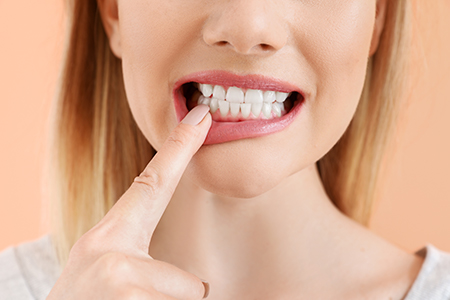
Oral health is tightly connected to overall health. Chronic inflammation in the mouth can add to the body’s inflammatory burden, and studies have identified links between advanced periodontal disease and conditions such as diabetes and cardiovascular disease. Managing gum health is therefore a meaningful step toward supporting general health, not just preserving teeth.
Good periodontal care also reduces the microbial load in the mouth, minimizing the chance that harmful bacteria will seed other areas of the body. For patients with certain medical conditions, maintaining periodontal stability is particularly important and often coordinated with their primary care physician or specialists.
Because prevention matters, our approach emphasizes routine maintenance, patient education, and practical, sustainable home care techniques. These measures help protect both oral tissues and the broader systems that rely on them.
Gingivitis is the earliest, and most treatable, form of gum inflammation. It occurs when plaque buildup irritates the gum margin, producing redness, swelling, and a tendency to bleed. Importantly, the underlying bone and connective tissues are not yet damaged during this stage, which means that timely treatment can fully restore health.
Treatment for gingivitis focuses on removing the causes of inflammation and helping patients improve daily home care. Professional cleanings to remove plaque and tartar, combined with instruction on brushing and interdental cleaning, typically resolve gingivitis when patients follow recommended routines.
Because gingivitis can recur if daily habits lapse, ongoing maintenance visits are essential. These checkups give the dental team the opportunity to reinforce preventive strategies and to intervene promptly should inflammation return.

If the inflammatory process continues beyond gingivitis, it can progress to periodontitis, a stage that damages the connective tissues and bone supporting the teeth. As attachment levels decline, pockets form between the teeth and gums where bacteria multiply more easily. Over time, this can lead to loose teeth, changing bite relationships, and a compromised smile.
Progression from mild to more severe periodontitis varies by individual and depends on factors such as oral hygiene habits, genetics, smoking, and certain systemic conditions. Because the consequences are structural, treatment aims not only to eliminate active infection but also to preserve and, when possible, rebuild lost support.
Modern periodontal therapy combines clinical judgment with evidence‑based techniques to control infection, stabilize pockets, and, when appropriate, regenerate lost tissues. The goal is to restore a functional, maintainable oral environment so that patients can eat, speak, and smile with confidence.
Every periodontal case is unique. Our team begins with a comprehensive evaluation that looks at pocket depths, attachment levels, bone status, medical history, and lifestyle factors. With that information we develop a tailored treatment plan that balances effectiveness, comfort, and long‑term maintenance.
Conservative measures are always considered first: improving home care, targeted cleanings, and local antimicrobial therapies often stop disease progression. When more advanced intervention is required, we discuss the full range of options so patients can make informed choices aligned with their goals.
Advanced Dental Care of Las Colinas provides coordinated care that integrates preventive, restorative, and surgical approaches when needed. Our focus is to help patients regain stability and to set up a maintenance schedule that minimizes recurrence and supports lasting oral health.
Choosing the right periodontal treatment depends on the disease stage, the pattern of tissue loss, and a patient’s overall health and preferences. Many cases are successfully managed with non‑surgical therapies, while others benefit from surgical techniques that reduce pocket depth, reshape tissues, or regenerate lost bone. We review the options and expected outcomes so patients can participate in care decisions.

When gum disease is identified early or when inflammation is localized, non‑surgical therapy is often highly effective. This includes scaling and root planing — careful removal of plaque and hardened deposits from below the gumline and smoothing of root surfaces to discourage bacterial recolonization.
These procedures are combined with a reinforced home care regimen and may include locally applied antimicrobials to reduce bacterial levels in deep pockets. For many patients, this conservative pathway restores periodontal health without the need for invasive measures.
Follow‑up care is critical: periodic maintenance cleanings and periodic reassessment allow clinicians to confirm healing and to act quickly if disease activity resumes.
If non‑surgical therapy does not achieve the desired reduction in pocket depths, the next step may include targeted surgical treatment to access and repair the affected areas.
For cases where pockets are too deep for thorough cleaning or when significant tissue and bone loss has occurred, periodontal surgery can improve access, reduce pocket depth, and allow for precise repair of the supporting structures. Flap procedures, for example, temporarily reflect gum tissue to expose roots and bone for thorough debridement and reshaping.
Advanced techniques — such as regenerative grafting — may be recommended to restore lost bone and connective tissue where possible. These procedures aim to reestablish a stable foundation for the teeth and to improve long‑term prognosis.
When indicated, modern adjuncts like laser therapy can also play a role in reducing pocket depths, treating peri‑implant disease, or refining tissue contours with minimal trauma. Surgical care is always paired with a clear maintenance plan to protect the results over time.
If you have concerns about bleeding gums, loose teeth, or persistent inflammation, please contact us to discuss your situation and learn more about the treatment options available. Our team is ready to answer questions and help you take the next step toward healthier gums and a more secure smile.
Periodontal disease, commonly called gum disease, is a group of inflammatory conditions that affect the tissues surrounding and supporting the teeth. It begins with bacterial plaque accumulating along the gumline and can progress from reversible gingivitis to destructive periodontitis if left untreated. As inflammation advances, the connective tissues and bone that anchor teeth can break down, potentially leading to tooth mobility and loss.
Because early stages are often painless, many people are unaware a problem is developing. Regular dental examinations and professional cleanings are essential to detect disease before permanent damage occurs. Early intervention focuses on removing plaque and tartar and improving home care to restore periodontal health.
The primary cause of periodontal disease is bacterial biofilm (dental plaque) that accumulates on teeth and below the gumline, provoking an inflammatory response in susceptible individuals. Contributing factors include poor oral hygiene, tobacco use, uncontrolled diabetes, certain medications, hormonal changes, and genetic predisposition. These elements can alter the balance between microbes and the body’s defenses, allowing disease to progress.
Dry mouth and conditions that reduce saliva flow also increase risk because saliva helps neutralize acids and wash away bacteria. Managing systemic health issues and eliminating modifiable risk factors, combined with consistent home care and professional monitoring, reduces the likelihood of disease progression.
Early signs of gum disease include gums that bleed during brushing or flossing, redness, swelling, and persistent bad breath or an unpleasant taste. You may also notice increased tooth sensitivity, mild gum recession, or small changes in how your teeth fit together. These symptoms often appear before pain or obvious tooth problems occur.
Because progression can be subtle, any of these signs warrant a prompt dental evaluation so treatment can begin before irreversible tissue loss happens. Early-stage gingivitis is frequently reversible with professional care and improved oral hygiene practices guided by your dentist or hygienist.
Diagnosis begins with a thorough clinical exam that includes periodontal probing to measure pocket depths, assessment of gum attachment, and evaluation of bleeding and inflammation. Dental radiographs are used to check for bone loss around the teeth, and your medical history and risk factors are reviewed to provide context for treatment planning. Periodontal charting documents findings so progress can be tracked over time.
A comprehensive diagnosis allows the dental team to classify disease severity and recommend appropriate care, from non-surgical therapies to surgical intervention when necessary. Early and accurate assessment helps ensure treatments are targeted and effective at preserving oral health.
Non-surgical therapies are the first line of defense against periodontal disease and typically include scaling and root planing, which are deep cleanings that remove plaque and tartar from below the gumline and smooth root surfaces. Adjunctive options may include localized antimicrobial agents, medicated rinses, or short courses of systemic antibiotics when indicated to help reduce pathogenic bacteria. In some cases, laser therapy or other minimally invasive modalities can be used to complement mechanical cleaning.
These treatments are combined with personalized home care instructions and risk-factor management to control infection and inflammation. Regular periodontal maintenance visits after initial therapy are essential to monitor healing and prevent recurrence.
Periodontal surgery is considered when non-surgical treatment does not adequately reduce pocket depths or when there is significant bone loss, deep periodontal pockets, or anatomical factors that prevent effective cleaning. Surgical procedures such as flap surgery allow the clinician to lift gum tissue, thoroughly clean root surfaces and diseased tissue, and recontour or regenerate supporting bone as needed. The decision to proceed with surgery is based on clinical measurements, radiographic findings, and the patient’s response to conservative care.
Reconstructive options, including bone grafting and guided tissue regeneration, can help restore lost support in appropriate cases and improve long-term prognosis. Contemporary techniques may also incorporate lasers for specific applications, but the overall goal remains reducing pocket depth, controlling infection, and enabling easier maintenance.
Periodontal disease is associated with chronic inflammation, and research has identified links between gum disease and systemic conditions such as diabetes, cardiovascular disease, and respiratory illness. Treating periodontal inflammation reduces the local bacterial burden and inflammatory mediators, which can lower overall inflammatory stress on the body. While periodontal therapy is not a cure for systemic diseases, managing oral inflammation is an important component of overall health care.
Because oral and systemic health are interconnected, we recommend patients with chronic medical conditions communicate with their physicians and maintain coordinated care. Consistent periodontal care and good oral hygiene contribute to better general health outcomes and help reduce the risk of disease-related complications.
After periodontal therapy, follow your clinician’s post-treatment instructions closely, which may include gentle brushing, using a prescribed antimicrobial rinse, and avoiding hard or crunchy foods for a short period. Expect some sensitivity and mild swelling initially; these signs typically improve as the tissues heal. If you had sutures placed or received grafting material, your team will provide specific timing for resuming normal activities and cleaning in the treated area.
Your care team at Advanced Dental Care of Las Colinas will outline a tailored home-care routine and a maintenance schedule to support healing and prevent recurrence. Long-term success depends on effective daily oral hygiene, managing risk factors like tobacco use, and attending recommended periodontal maintenance appointments.
Yes. Successful implant placement requires a healthy, infection-free environment with adequate bone and soft tissue support. When periodontal disease has compromised bone or soft tissues, treatments such as scaling and root planing, periodontal surgery, bone grafting, and soft tissue grafting can help eliminate infection, rebuild deficient areas, and create a stable foundation for implants. Addressing periodontal issues before implant surgery reduces the risk of complications such as peri-implantitis.
After implants are placed, ongoing periodontal-style maintenance and careful home care are crucial to protect both natural teeth and implants. Specialized cleaning techniques and regular professional monitoring help ensure the long-term success of implant restorations.
Maintenance frequency is individualized based on disease severity, response to treatment, and risk factors; many patients with a history of periodontitis benefit from visits more often than routine six-month cleanings. Typical intervals for periodontal maintenance are commonly three months, but your clinician will recommend a schedule tailored to your needs and clinical findings. These visits focus on removing subgingival plaque and tartar, reassessing probing depths, and reinforcing home-care techniques.
Consistent maintenance is one of the most important factors in preventing disease recurrence and preserving tooth support. At Advanced Dental Care of Las Colinas, the dental team will monitor your periodontal status and adjust your maintenance plan as needed to protect long-term oral health.
Quick Links