

If a dentist recommends root canal therapy for one of your teeth, it’s understandable to feel uneasy. Modern endodontic treatment is a well-established, predictable way to relieve deep tooth pain and preserve a natural tooth’s function and appearance. In many cases, choosing treatment now avoids the need for extraction and the additional restorative work that follows.
Our team at Advanced Dental Care of Las Colinas approaches every root canal with an emphasis on comfort, precision, and clear communication. We combine contemporary instruments and gentle techniques so patients understand what to expect and feel confident in their care.
Keeping your natural tooth whenever feasible is typically the best path for long-term oral health. A treated tooth that remains in the mouth maintains the natural bite, supports surrounding teeth, and helps preserve the jawbone. For many patients, a successful root canal means they can continue to eat, speak, and smile without the compromises that come with tooth replacement options.
Root canal therapy removes infected or injured tissue from inside the tooth, then seals and protects the remaining structure. With modern materials and careful restorative care—often a final crown or onlay—the treated tooth can function for many years or even a lifetime when paired with good oral hygiene.
Choosing to save a tooth also reduces the risk of adjacent teeth shifting and the need for more extensive prosthetic work. The goal of treatment is always to restore comfort and strength while minimizing future dental intervention.

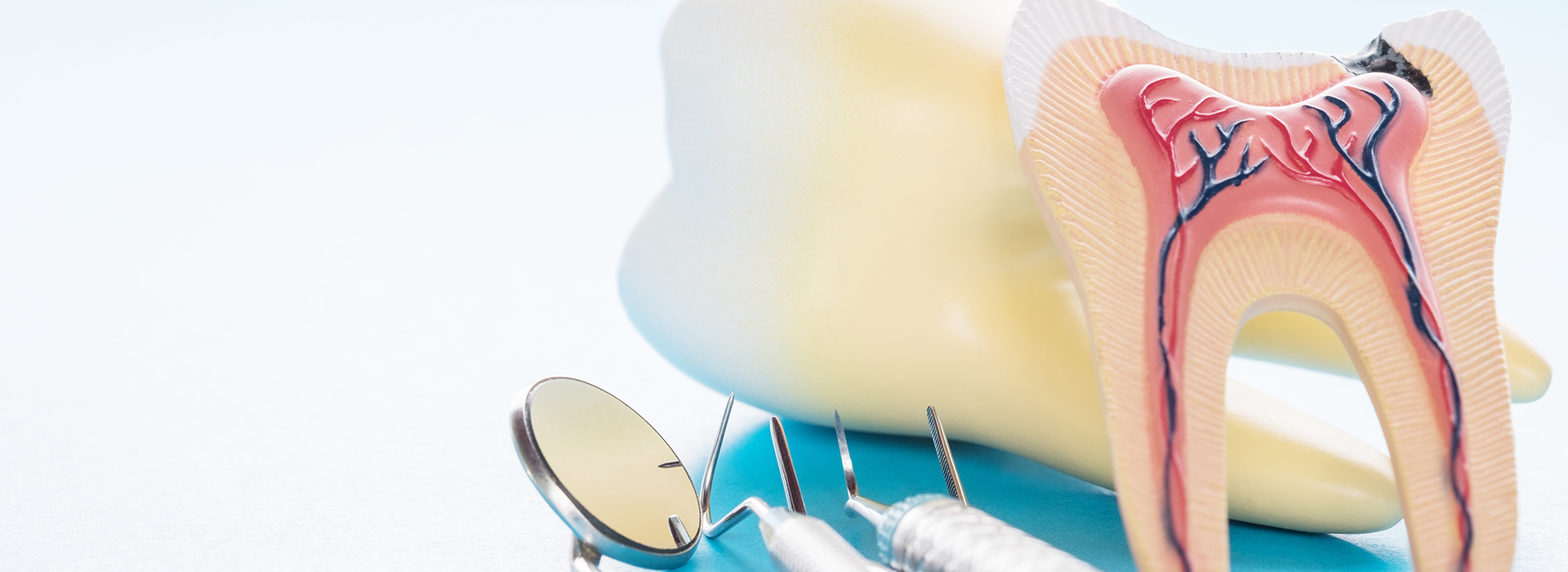
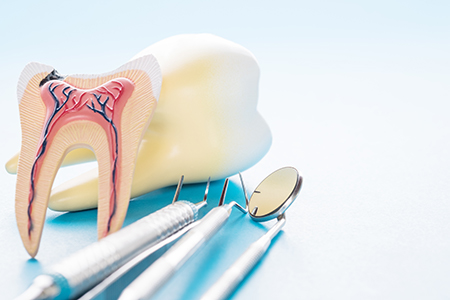
Inside each tooth lies the dental pulp — a small collection of nerves, blood vessels, and connective tissue that helped the tooth develop. Once a tooth is fully formed, the pulp is no longer essential for day-to-day function, but it can signal problems. When bacteria reach the pulp through deep decay or a crack, inflammation and infection can develop, and that is when root canal therapy is considered.
Not every ache or sensitivity demands a root canal, but there are common warning signs that warrant a prompt evaluation. Pain that lingers after exposure to hot or cold, sharp discomfort when biting, visible darkening of a tooth after an injury, and localized swelling are all indicators that the pulp may be compromised.
A thorough clinical exam and diagnostic X-rays allow your dentist to determine the extent of damage and whether endodontic treatment is the best way to preserve the tooth. Early diagnosis often keeps treatment simpler and increases the chances of a long-term successful outcome.
Below are several of the more common signals that a tooth may need root canal therapy:
Persistent discomfort that interferes with sleep or normal activities is a sign that deeper tissues may be involved. Pain that starts spontaneously or lingers after biting down should be evaluated without delay.
If hot or cold foods produce a sharp or prolonged reaction, the nerve inside the tooth may be inflamed. Sensitivity that continues after the stimulus is removed often points to pulpal irritation.
Pain with pressure or even the lightest touch can indicate that the inner tissues are damaged or infected. This tenderness often accompanies infection around the root tip.
Tooth discoloration can be the result of internal changes after trauma or long-standing decay. A darkened tooth should be checked for underlying issues even if it isn’t painful.
Physical damage can expose the pulp to bacteria or cause internal bleeding and inflammation. When a fracture reaches the pulp, a root canal may be required to stabilize and save the tooth.
Gum swelling, drainage, or a persistent pimple on the gum near a tooth can indicate an abscessed tooth. Such infections require timely treatment to prevent spread and to relieve discomfort.
Infection and bone loss around a tooth can lead to noticeable mobility. Treating the source of infection is an important step in stabilizing the tooth and supporting healing.
Sometimes a tooth that needs treatment shows no obvious symptoms and is identified on a routine exam or X-ray. Other times, warning signs are unmistakable. In either scenario, timeliness is important: early care can limit the spread of infection, reduce the number of visits needed, and help preserve more natural tooth structure.
Delaying treatment can allow infection to progress, increasing discomfort and the likelihood of complications such as larger abscesses or involvement of neighboring teeth. For patients with certain medical conditions, controlling dental infection promptly can also be important for overall health.
Your dentist will explain the diagnosis, treatment options, and any follow-up care required. If a root canal is recommended, scheduling treatment without undue delay often leads to a smoother recovery and a stronger final restoration.
Root canal procedures are performed with attention to comfort and precision. The area is numbed with local anesthesia so most patients feel minimal to no pain during treatment. For those with dental anxiety, sedation options can be discussed to help make the visit more relaxed.
The clinician accesses the interior of the tooth, removes the diseased pulp, and carefully cleans and shapes the canal system. Modern tools allow for efficient cleaning and disinfection of even complex root anatomies. Once the canals are prepared, they are sealed with a biocompatible filling material to prevent reinfection.
Some teeth can be treated in a single visit; others require two or more appointments depending on anatomy, the extent of infection, or the need for interim medication. After endodontic therapy, the tooth typically receives a permanent restoration—often a crown—to restore strength and function.
After treatment, most patients experience some tenderness for a few days as the surrounding tissues heal. Over-the-counter pain relievers are often sufficient, though your dentist will provide guidance tailored to your situation. Following instructions about chewing and oral care helps reduce the risk of complications.
Proper restoration of the treated tooth is critical. Until a permanent crown or suitable restoration is placed, the tooth may be more susceptible to fracture. It’s wise to avoid heavy chewing on the treated side and to be cautious with hard or sticky foods.
With good oral hygiene, regular dental checkups, and a well-placed restoration, a tooth that has undergone root canal therapy can remain functional for many years. If you notice increasing pain, swelling, or other changes after treatment, contact your dental office so they can evaluate and address any concerns.
Numbness from local anesthesia typically wears off within a few hours. Until sensation returns, take care not to bite your lips, cheeks, or tongue, and avoid very hot foods and beverages.
Some soreness is normal after the anesthetic fades. Follow recommended pain-management strategies and contact the office if pain worsens or persists beyond a few days.
If antibiotics are prescribed to address an active infection, it’s important to complete the full course as directed to ensure proper healing.
Temporary fillings are not as strong as permanent restorations. Until your final crown or restoration is in place, try to avoid chewing directly on the treated tooth.
Brushing and flossing as usual supports healing and helps protect the treated tooth and surrounding tissues from new problems.
Scheduling and completing the final restoration promptly helps restore strength and appearance and reduces the chance of complications later on.
Advanced Dental Care of Las Colinas is committed to guiding patients through endodontic care with clear explanations and careful, modern treatment. If you’re experiencing symptoms or have concerns about a specific tooth, contact us to arrange an evaluation and learn more about your options.
A root canal is a dental procedure that removes diseased or damaged pulp from the interior of a tooth and seals the space to prevent reinfection. The goal is to preserve the natural tooth when the pulp has become irreversibly inflamed or infected due to decay, trauma, or deep restorations. By treating the interior of the tooth, root canal therapy relieves pain and helps maintain chewing function and proper bite alignment.
Root canal treatment is often recommended when diagnostic tests and radiographs show pulp damage or periapical pathology at the root tip. Choosing to treat and save the tooth preserves adjacent teeth and jawbone structure, which can be important for long-term oral health. Modern techniques and materials make this a predictable, routinely performed procedure with high success rates.
Common signs that may indicate the need for root canal therapy include persistent toothache, prolonged sensitivity to hot or cold, pain when biting, swelling around the tooth, or a darkening of the tooth. Some teeth that require treatment show no noticeable symptoms and are discovered on routine radiographs as radiolucencies or other signs of periapical disease. A clinical exam combined with digital X-rays and pulp testing helps determine whether the pulp is irreversibly damaged and whether root canal therapy is appropriate.
Because symptoms can overlap with other dental conditions, it is important to seek prompt evaluation rather than self-diagnose. Early diagnosis helps limit the spread of infection and often allows for simpler treatment. If you notice persistent or worsening symptoms, contact your dental provider for an assessment as soon as possible.
With modern local anesthesia and techniques, most patients experience little to no pain during a root canal procedure, and many describe the experience as comparable to receiving a routine filling. The procedure is performed under numbness, and additional comfort measures such as dental sedation are available for nervous patients. Your dentist will monitor pain control throughout the visit to ensure you remain comfortable.
Some soreness or mild discomfort can occur after the procedure as surrounding tissues heal, especially if the tooth had a preexisting infection or significant inflammation. This postoperative discomfort typically subsides within a few days and can be managed with over-the-counter pain relievers and short-term prescription medications when indicated. If severe or prolonged pain occurs, contact your dental office for follow-up care.
During a root canal, the dentist isolates the tooth with a rubber dam, accesses the pulp chamber, and carefully removes the inflamed or infected pulp tissue from the canals. The canals are then cleaned, shaped, disinfected, and filled with a biocompatible material to seal the internal spaces and prevent reinfection. Treatment may be completed in a single visit or over multiple visits depending on the tooth's anatomy and the presence of active infection.
Once the canals are sealed, the tooth is restored to rebuild strength and function; this often involves placing a permanent filling or a crown to protect against fracture. The restoration restores the tooth's ability to withstand normal biting forces and helps prevent reinfection. Proper restoration is an essential part of successful long-term treatment after endodontic therapy.
The duration and number of visits for root canal therapy vary by tooth type, canal anatomy, and whether there is an active infection to manage. Simple cases on single-rooted teeth can often be completed in one visit lasting about an hour, while molars with multiple canals or complex anatomy may require two or more visits. When significant infection is present, your dentist may place medication inside the canals and schedule a follow-up appointment to ensure proper healing before final obturation and restoration.
Your dentist will explain the recommended timeline during the diagnostic visit and provide an individualized treatment plan. Scheduling considerations also take into account the need for subsequent restorative work, such as crown placement, which may require additional appointments. Clear communication with your dental team helps set appropriate expectations and ensures continuity of care.
After root canal therapy you can expect some numbness until the local anesthetic wears off and mild to moderate tenderness around the treated tooth for a few days as the surrounding tissues heal. Your dentist may advise resting from strenuous activity for 24–48 hours and avoiding chewing on the treated tooth until it has been fully restored. Maintaining good oral hygiene and following instructions about medications and care will support healing and reduce the risk of complications.
If pain, swelling, drainage, or unusual symptoms persist beyond a few days, contact your dental office for reassessment as additional treatment may be needed. Routine follow-up appointments are typically scheduled to monitor healing radiographically and to complete the permanent restoration. At Advanced Dental Care of Las Colinas we emphasize thorough post-treatment instructions and timely restoration to help ensure the best possible outcomes.
Many teeth that receive root canal therapy benefit from a crown or other full-coverage restoration, particularly posterior teeth that endure significant chewing forces. A crown protects the remaining tooth structure from fracture, seals the tooth against bacterial leakage, and restores proper form and function. The decision to place a crown depends on how much healthy tooth structure remains and the tooth's position in the mouth.
Front teeth with minimal structural loss may be restored with a bonded filling, while molars and premolars commonly require crowns for long-term durability. Your dentist will assess the tooth after endodontic treatment and recommend the most appropriate restorative option to maximize longevity and function. Advanced Dental Care of Las Colinas coordinates endodontic treatment and final restoration to streamline your care plan.
Root canal therapy has a high success rate when performed properly, with many studies reporting predictable outcomes when teeth are restored and maintained. Risks include persistent infection, reinfection due to incomplete cleaning or leakage of the restoration, or structural fracture of the tooth if it is not adequately restored. Complex anatomy, untreated cracks, or delayed restoration can increase the likelihood of retreatment or extraction in a small number of cases.
Follow-up radiographs and clinical exams help monitor healing and verify treatment success over time. Early diagnosis, skilled endodontic technique, and appropriate restorative care are the primary factors that improve prognosis. If a treated tooth develops recurrent symptoms, retreatment or referral to a specialist may be recommended to address the underlying cause.
The primary alternatives to root canal treatment are extraction of the affected tooth followed by tooth replacement options such as an implant, bridge, or removable prosthesis. Extraction eliminates the source of infection but requires consideration of the long-term consequences of tooth loss, including shifting of adjacent teeth, changes in bite, and bone resorption. Many clinicians and patients prefer root canal therapy when the tooth can be predictably saved because it preserves natural dentition and jawbone structure.
In select situations, palliative measures or monitoring may be appropriate for teeth with minimal symptoms, but delaying definitive care can allow infection to progress and cause more extensive problems. Your dentist will review the pros and cons of all viable options and help you choose a treatment path that balances oral health, function, and long-term stability.
Preventive steps that reduce the risk of needing root canal therapy include regular dental exams with digital X-rays, consistent brushing and flossing, and addressing cavities or cracks early before they reach the pulp. Protective measures such as wearing a mouthguard for sports, avoiding hard or non-food items, and maintaining routine professional cleanings all help preserve tooth structure and prevent decay and trauma. Early restorative care for cavities and prompt treatment of dental injuries reduce the chance of pulp involvement.
Good overall health and management of medical conditions that affect healing also support dental resilience. If you experience any acute dental symptoms after injury or decay, seek prompt evaluation to limit progression. Your dental team can create a personalized prevention plan to help you maintain healthy teeth and reduce the likelihood of endodontic treatment.
Quick Links