Dental anxiety is more common than most people realize. Millions of Americans postpone or avoid needed dental care because they feel nervous, claustrophobic, or worried about pain. At Advanced Dental Care of Las Colinas, we take those concerns seriously and offer thoughtful, evidence-based sedation options to help patients get the dentistry they need with far less stress.
Sedation dentistry isn’t about “putting you to sleep” unless medically appropriate; it’s about creating a calm, controlled environment so treatment feels manageable and comfortable. Our team combines clinical expertise with patient-focused communication to match the right sedation method to each person’s needs, medical history, and the type of procedure being performed.
Sedation dentistry uses medications to reduce anxiety, enhance comfort, and improve cooperation during dental care. Rather than eliminating sensation in a single tooth (which is what a local anesthetic does), sedation affects how the brain perceives anxiety and stress. The result is a more relaxed state that allows patients to tolerate longer or more complex procedures with less discomfort and mental strain.
There are degrees of sedation — from minimal relaxation to deeper, closely monitored states — and each level serves different clinical needs. Most dental procedures can be performed safely under conscious sedation, in which patients are relaxed and may have only vague memory of the visit but are still able to respond to verbal cues. General anesthesia, which is not provided in the dental office, is reserved for rare cases that require hospital-based care.
Choosing sedation is a collaborative decision. We evaluate your health history, current medications, and personal preferences before recommending a plan. Our goal is to make the process predictable and comfortable: you should know what to expect before you arrive, during treatment, and as you recover afterward.
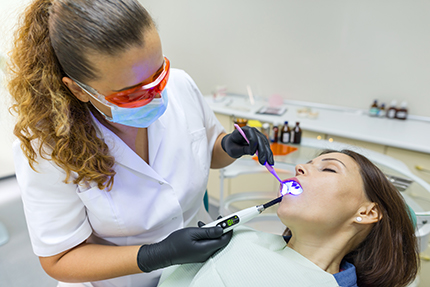
Sedation can be a game-changer for people who experience widespread dental fear or for those who find it difficult to tolerate routine care. Patients who once postponed exams or avoided restorative work often regain access to treatment when anxiety is managed effectively. Sedation levels are adjusted to help each person feel safe without removing their ability to communicate with the dental team when needed.
Beyond fear, there are practical reasons to consider sedation. Individuals who need lengthy appointments, multiple procedures at once, or complicated restorations often prefer sedation to reduce discomfort and the number of visits required. Patients with strong gag reflexes, dental sensitivity, or physical or cognitive conditions that make sitting still difficult also frequently benefit from a tailored sedation approach.
Sedation is not limited by age alone; however, the choice of method depends on overall health, medication interactions, and the specifics of the proposed treatment. We take a conservative, safety-first approach: if sedation increases the likelihood you will complete necessary care comfortably, we’ll outline the safest options and what to expect at every step.
Our practice offers several forms of conscious sedation designed for use in the dental office. Each option produces a different level of relaxation and has its own benefits. We discuss the pros and cons of available methods with every patient so you can choose what feels right for you and your treatment plan.
Before selecting a method, we review medical history, prescribed and over-the-counter medications, and any previous experiences with sedation or anesthesia. This individualized review helps us identify the safest and most effective option for the procedure and for your overall well-being.
When deeper or more complex anesthesia is required, we coordinate care with medical specialists and refer to appropriate settings. Our priority is always patient safety and predictable outcomes, whether the sedation is minimal or more pronounced.
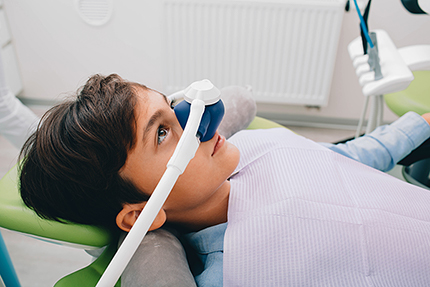
Nitrous oxide, commonly called “laughing gas,” is a mild inhaled sedative that reduces anxiety and promotes relaxation quickly and reversibly. Administered through a small nasal mask, it is mixed with oxygen and adjusted throughout the appointment. Effects wear off rapidly once the gas supply is stopped, which allows patients to recover their normal level of awareness soon after the visit.
Oral sedation involves taking a prescribed medication prior to the appointment to achieve a deeper sense of calm. The medication is selected and dosed according to your medical history and the planned procedure. Oral sedation can make time feel shorter and reduce the emotional intensity of treatment; however, it does require planning for a companion to drive you to and from your visit if the level of sedation is moderate to deep.
Intravenous (IV) sedation delivers medication directly into the bloodstream for rapid, controllable effects. This approach is useful when more profound relaxation is necessary while still allowing the patient to remain responsive to the care team. IV sedation is carefully titrated and monitored throughout the appointment to maintain a safe and comfortable level of sedation tailored to the length and complexity of the procedure.
Safety is the foundation of any sedation protocol. Before any sedative is administered, we perform a thorough health review and assess airway, breathing, and medication interactions. Baseline vitals and ongoing monitoring during treatment safeguard your well-being and allow clinicians to respond immediately to any changes.
Our team uses monitoring equipment and follows current best practices to keep track of oxygen levels, heart rate, and blood pressure when indicated. Staff members who provide sedation undergo specific training in recognition and management of sedation-related events, and emergency equipment is available and maintained to current standards.
Communication is an important safety measure as well: we explain pre-appointment directions, medication guidance, and recovery expectations in plain language so patients and any caregivers know what to expect. When necessary, we involve other medical providers to coordinate care for complex health situations.
Preparation helps everything go smoothly. During your consultation we will review any medications you take, known allergies, and relevant medical conditions. Depending on the type of sedation planned, you may receive instructions about fasting, medication adjustments, or arrival times. Clear pre-visit guidance reduces risk and makes the experience more predictable.
Recovery varies by sedation depth. Mild inhalation sedation often allows a quick return to normal activity, while oral or IV sedation usually requires additional recovery time and the presence of a responsible adult to accompany you home. We provide step-by-step recovery advice so you know how to manage any drowsiness, eating, or medication needs after your appointment.
Follow-up is part of our care plan. After treatment we confirm that you are recovering as expected and answer any questions about oral care, pain management, or next steps in your dental plan. Our goal is a smooth transition from treatment to home and a positive pathway back to routine dental maintenance.
At Advanced Dental Care of Las Colinas, we aim to remove barriers to needed treatment by offering sedation options that are safe, individualized, and well monitored. If dental anxiety or other limitations have kept you from getting care, we encourage you to contact us to discuss how sedation might help. For more information or to talk through your choices, please contact us for more information.
Sedation dentistry uses safe, controlled medications to help patients relax during dental procedures while local anesthetic manages pain at the treatment site. It is intended to reduce fear, limit memory of the procedure for anxious patients, and make longer treatments more comfortable. Sedation can range from mild relaxation to deeper conscious sedation depending on the chosen method and clinical need.
Patients remain under continuous observation by trained dental professionals while sedated, and the level of sedation is selected to match the patient’s medical history and the complexity of the procedure. The overall goal is to allow patients to receive necessary dental care with minimal stress and improved comfort. Your care team will explain what to expect before, during, and after sedation so you feel informed and prepared.
Local anesthesia numbs a specific area of the mouth so the patient does not feel pain in that spot, but it does not address anxiety or the emotional response to treatment. Sedation dentistry uses medications in addition to local anesthesia to induce relaxation and decrease awareness of the procedure for patients who are anxious or need more extensive care. Together, these approaches control both sensation and stress to make treatment more tolerable.
Local anesthetic is standard for most procedures and is used regardless of sedation when pain control is required. Sedation is an adjunct that is tailored to the patient’s level of anxiety, medical history, and the expected length or complexity of the appointment. Your dentist will describe the differences and recommend the safest option for your needs.
The most common office-based sedation options are inhalation sedation with nitrous oxide, oral sedation with prescription medications, and intravenous (IV) sedation administered by a trained clinician. Nitrous oxide provides mild to moderate relief of anxiety and wears off quickly after the mask is removed, while oral medications produce a deeper sense of relaxation and may cause drowsiness. IV sedation offers rapid onset and precise control of the sedation level for more extensive or lengthy procedures.
Each method has specific indications and preparation requirements, and the selection is based on the patient’s medical history, current medications, and the complexity of the dental work. All forms of conscious sedation used in the dental office allow patients to respond to verbal cues, and breathing typically remains unassisted and stable. The dental team will review the benefits and risks of each option and recommend the most appropriate method for your care.
Candidates for sedation dentistry include patients with significant dental anxiety or phobia, those who require extensive or multiple procedures in one visit, patients with a strong gag reflex, and individuals who have difficulty sitting still for treatment. Children or adults with special needs, cognitive impairments, or certain medical conditions that make routine dental care challenging may also benefit from sedation. The suitability of sedation is determined after a thorough medical assessment and discussion of treatment goals.
Your dentist will review your full medical history, current medications, prior anesthesia experiences, and any chronic health conditions to determine candidacy. People with uncontrolled medical issues or certain risk factors may require additional medical clearance or alternative approaches. The decision to proceed with sedation is individualized and prioritizes patient safety and comfort.
Sedation dentistry is generally safe when provided by qualified professionals who follow established protocols for patient assessment, monitoring, and emergency preparedness. Safety begins with a detailed medical evaluation to identify any conditions or medications that could affect sedation, and it continues with the use of appropriate monitoring equipment such as pulse oximetry and blood pressure measurement. The dental team maintains readiness to manage potential complications and follows guidelines for fasting, medication management, and patient escort when needed.
Risks are minimized by selecting the lowest effective level of sedation and by documenting baseline health information and consent before treatment. Patients are informed of specific instructions to follow before and after sedation to promote a smooth recovery. If you have concerns about safety, discuss them with your dentist so the team can explain the safeguards in place and tailor care to your needs.
Preparation varies with the type of sedation planned, but common steps include providing a complete medical history, listing all medications and supplements, and following pre-appointment instructions about eating and drinking. For IV sedation, patients are typically asked to fast for a specified period before the appointment to reduce the risk of nausea and aspiration. For oral sedation, the office will provide timing instructions for taking the prescribed medication prior to arrival.
Patients receiving moderate or deep sedation should arrange for a responsible adult to drive them to and from the appointment and remain available after the procedure. It is also helpful to wear comfortable, loose-fitting clothing and to plan for rest after the visit. At Advanced Dental Care of Las Colinas the team will review personalized pre-appointment guidelines and answer any questions so you arrive prepared and informed.
During a sedated procedure you will be continuously monitored, and the clinician will adjust medication levels as needed to maintain the intended level of relaxation. Many patients report feeling calm and unaware of unpleasant sensations, and some have limited memory of the procedure afterward. Local anesthesia is typically used concurrently to control pain in the treated area.
After the appointment, recovery time depends on the sedation method; nitrous oxide wears off rapidly, while oral and IV sedatives may cause drowsiness for several hours. Patients should follow post-operative instructions, avoid driving or operating machinery for the recommended period, and arrange for caregivers if required. Your dental team will provide specific discharge guidance and signs to watch for during recovery.
Monitoring during sedation includes continuous observation of the patient’s level of consciousness, respiratory status, oxygen saturation, heart rate, and blood pressure as appropriate for the sedation depth. Modern monitoring devices allow the dental team to track vital signs in real time and respond quickly to any changes. Staff administering sedation are trained in airway management and emergency protocols to ensure patient safety.
The frequency and type of monitoring correspond to the sedation technique used and the patient’s medical profile. Documentation of vital signs and medication administration is maintained throughout the visit, and equipment is checked and calibrated according to professional standards. Clear communication among team members and with the patient helps sustain a safe environment during treatment.
Certain medical conditions and medications can influence the choice or safety of sedation, so full disclosure of health history is essential prior to any sedated procedure. Conditions such as uncontrolled heart or lung disease, severe sleep apnea, recent stroke, or certain neurological disorders may require additional medical evaluation or alternative approaches. Medications that depress the central nervous system, interact with sedative agents, or affect blood clotting can alter sedation planning and may need to be adjusted under medical guidance.
Your dentist will coordinate with your primary care physician or specialist if there are concerns about interactions or the need for medical clearance. Preoperative screening may include reviewing current prescriptions, over-the-counter drugs, and supplements to identify potential risks. This collaborative approach helps determine the safest sedation option for each patient.
Sedation dentistry is offered to increase access to needed dental care for patients who are anxious, require extensive treatment, or have physical or cognitive challenges that make routine visits difficult. Our practice emphasizes individualized care planning, pre-procedure screening, and continuous monitoring to deliver sedation safely and effectively. Providing a relaxed, controlled treatment experience helps patients complete necessary therapy in fewer visits when appropriate and with less stress.
Advanced Dental Care of Las Colinas maintains a patient-first approach, combining experienced clinicians with modern monitoring equipment and clear pre- and post-procedure instructions. If you are considering sedation, schedule a consultation so the team can review your medical history, explain available options, and recommend the safest path forward for your oral health needs.
Quick Links