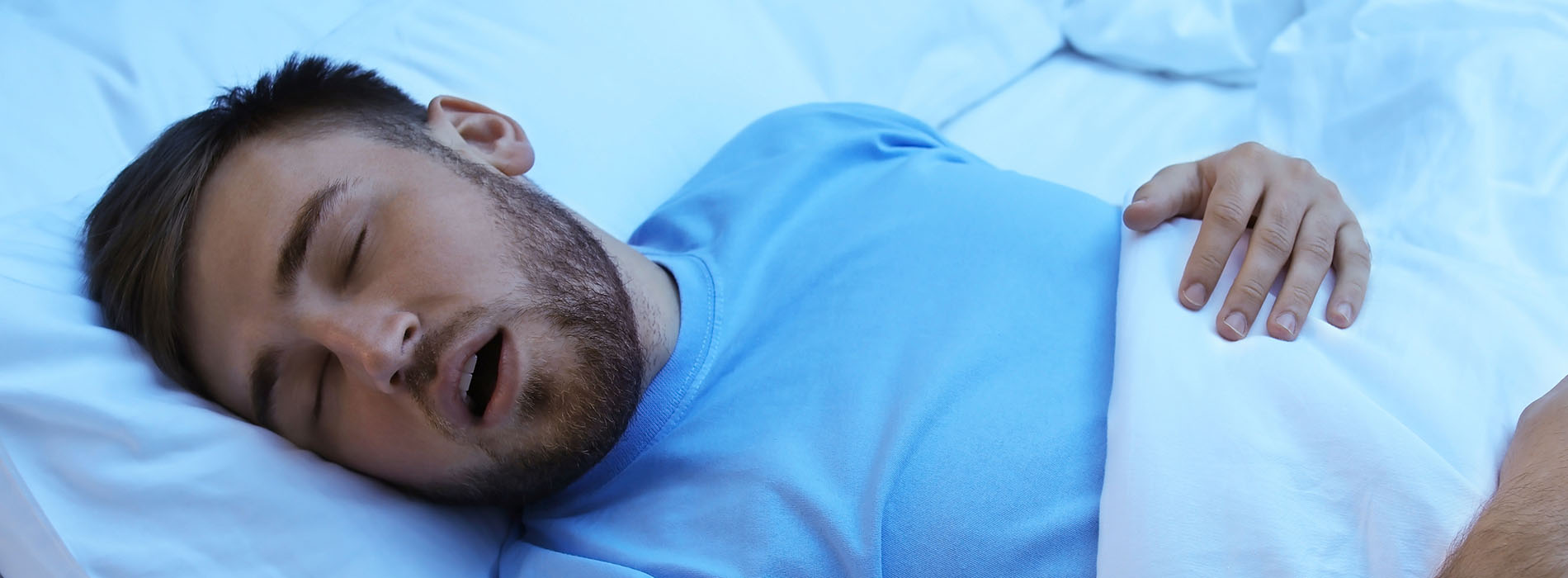

Snoring happens when airflow during sleep causes relaxed tissues in the back of the throat to vibrate, creating the familiar sound many people and their partners find disruptive. Occasional snoring is common, but when it becomes regular and loud it can interfere with sleep quality and may signal a more serious breathing problem. Understanding the cause and available treatments helps patients choose a safe, effective path to quieter nights and better daytime function.
Estimates suggest tens of millions of adults in the United States snore at least occasionally. While many of those individuals are what clinicians call “primary snorers,” a significant number may have a form of sleep-disordered breathing known as obstructive sleep apnea (OSA). Differentiating between simple snoring and sleep apnea is an essential early step because the level of risk and the most appropriate therapies differ substantially.
Several factors influence how air moves through the nose and throat and make snoring more likely. Addressing those underlying contributors — when possible — either alone or in combination with an oral appliance can produce the best long-term results for patients and their households.
Not every snorer needs urgent intervention, but there are clear warning signs that should prompt further evaluation. Symptoms such as loud, gasping breaths, observed breathing pauses, waking with choking or gasping, excessive daytime sleepiness, morning headaches, or cognitive difficulties can indicate obstructive sleep apnea. In those cases, a medical assessment — often including a sleep study — is appropriate to measure oxygen levels, breathing patterns, and sleep architecture.
Dental teams play a complementary role in screening and early identification. During routine exams, dentists can note risk factors such as a narrow airway, large tonsils, or a retrognathic (receded) jaw. When dental findings raise concern, coordinated care with a primary care physician or sleep medicine specialist ensures patients receive the diagnostic testing they need before a treatment decision is made.
For patients whose evaluation confirms snoring without clinically significant OSA, an oral appliance is often a conservative, effective option. Even when mild OSA is present, oral appliance therapy can be an appropriate alternative to, or used in conjunction with, other treatments — but that decision should be made based on collaborative, case-by-case clinical judgment.
Oral appliances designed for snoring work by changing the anatomical relationships in the mouth and throat to keep the airway open. The most common type advances the lower jaw (mandible) slightly forward, which pulls the tongue and soft tissues away from the back of the throat. This small, controlled repositioning increases the space through which air can flow, reducing vibration and the resultant noise.
These devices are removable, fitted much like a snug mouthguard or orthodontic retainer, and are custom-made from impressions of the patient’s teeth. Because they are tailored to each mouth, well-made appliances balance effectiveness with comfort, allowing patients to sleep in a more natural posture while the device supports better airflow.
Beyond mandibular advancement appliances, other designs — such as tongue-retaining devices — can be appropriate in select cases. The choice of style depends on individual anatomy, dental health, comfort preferences, and the specific mechanics of the airway obstruction identified during evaluation.
Ideal candidates are adults who primarily snore without severe obstructive sleep apnea, who have a sufficient number of healthy teeth to retain the device, and who do not have unmanaged periodontal (gum) disease or active dental decay. Patients with temporomandibular joint (TMJ) pain or certain bite problems may require additional assessment, since an oral appliance changes the jaw position and can influence joint comfort for some people.
For individuals with mild to moderate OSA who cannot tolerate continuous positive airway pressure (CPAP) therapy, an oral appliance may be a viable alternative. In every case, collaboration with a sleep medicine provider is important: if diagnostic testing reveals dangerous oxygen dips or severe apnea, more intensive medical treatments will be recommended before or alongside oral appliance therapy.
We also consider lifestyle factors and patient goals. Those seeking a noninvasive, portable solution that is easy to use while traveling often appreciate oral appliances. Compliance is a key predictor of success — consistent nightly use is essential to experience the full benefit — so patient willingness and ability to follow an appliance regimen are part of candidacy discussions.
Creating a custom appliance begins with a comprehensive dental exam and impressions or digital scans of the teeth. Accurate records and bite registrations allow the laboratory to fabricate a device that matches the patient’s occlusion and planned jaw advancement precisely. At the delivery appointment, the clinician checks fit, comfort, and initial jaw position, making small intraoral adjustments as needed.
Most patients require several follow-up visits during the first few months to fine-tune the appliance. Small incremental adjustments to the degree of mandibular advancement improve effectiveness while minimizing side effects such as jaw soreness or dental pressure. These titration visits are essential to balance airway improvement with long-term oral comfort.
Proper daily care extends the life of the device and reduces oral health risks. Patients should rinse and brush the appliance daily, avoid hot water or abrasive cleaners that can warp materials, and store it in a ventilated case when not in use. Regular dental visits — typically twice yearly — include checks for fit, assessment of bite changes, and screening for gum health, because subtle tooth movement or occlusal changes can occur over time.
When appropriately selected and fitted, oral appliances can markedly reduce snoring, improve perceived sleep quality for both the patient and their bed partner, and decrease daytime sleepiness for many users. Compared with CPAP, appliances are quieter, less obtrusive, and easier to travel with, which encourages higher nightly use for some patients and can translate to meaningful real-world benefits.
However, oral appliances are not a cure-all. They are generally less effective than CPAP for eliminating oxygen desaturations in severe OSA, and they require patient commitment to nightly wear and maintenance. Possible side effects include transient jaw discomfort, increased salivation, dry mouth, and, over months to years, minor changes in tooth position. These risks are managed through careful follow-up and adjustments.
Combining appliance therapy with other measures — such as positional therapy, weight management, treatment of nasal obstruction, and sleep hygiene improvements — often yields the best outcomes. Open communication with your dental and medical care team helps tailor a comprehensive plan that aligns with health status and lifestyle priorities.
At Advanced Dental Care of Las Colinas, our goal is to help patients understand their options and find a treatment path that improves sleep and overall wellbeing. If you want to learn whether a custom snoring appliance could be right for you, please contact us for more information and guidance from our team.
Snoring occurs when airflow during sleep causes relaxed tissues at the back of the throat to vibrate, producing sound. Common contributors include nasal congestion, excess soft tissue, a low tongue position, certain medications or alcohol, and sleeping on the back. These factors narrow the airway and increase the likelihood of tissue vibration.
Obstructive sleep apnea (OSA) involves recurrent partial or complete airway collapse with breathing pauses and oxygen desaturation, which distinguishes it from primary snoring. OSA carries greater health risks such as daytime sleepiness, cardiovascular strain, and cognitive impairment. When symptoms suggest OSA, medical evaluation and a sleep study are recommended before selecting a treatment.
Most oral snoring appliances work by advancing the lower jaw slightly forward, which pulls the tongue and related soft tissues away from the back of the throat and enlarges the airway. This controlled repositioning reduces tissue vibration and often decreases the loudness and frequency of snoring. Appliances are custom-made to fit each patient’s occlusion and anatomy for comfort and effectiveness.
Different designs include mandibular advancement devices and tongue-retaining appliances, and the choice depends on anatomy, dental health, and comfort preferences. Devices are removable and typically resemble a snug mouthguard or orthodontic retainer. Proper fabrication and clinical titration improve outcomes and reduce side effects.
Good candidates are adults who primarily snore or have mild to moderate OSA and who have enough healthy teeth or stable dental structures to retain a device. Patients should not have uncontrolled periodontal disease, active untreated decay, or severe temporomandibular joint disorders that could be aggravated by jaw advancement. A dental evaluation determines whether oral appliance therapy is appropriate and safe.
For individuals with mild to moderate OSA who cannot tolerate CPAP, an oral appliance can be a viable alternative when used under clinical supervision. Coordination with a sleep medicine provider ensures that diagnostic testing, monitoring, and safety concerns such as oxygen desaturation are addressed. Patient willingness to use the device nightly and attend follow-up visits is an important predictor of success.
The process begins with a comprehensive dental exam and a review of sleep symptoms, medical history, and any prior sleep testing. If OSA is suspected or known, referral to a sleep specialist for diagnostic testing may be recommended before appliance therapy is started. Accurate impressions or digital scans and a bite registration allow the laboratory to fabricate a custom device.
At delivery the clinician checks fit, comfort, and the initial degree of jaw advancement and makes minor adjustments as needed. Multiple titration visits over the first weeks to months are common to optimize airway improvement while minimizing jaw soreness and dental pressure. Ongoing follow-up includes periodic fit checks, assessment of oral health, and monitoring for occlusal changes.
Common short-term side effects include jaw soreness, tooth or dental pressure, increased salivation, and sometimes dry mouth or gingival irritation. These effects are often transient and can improve with gradual titration or minor adjustments to the device. Patients with preexisting TMJ disorders may experience exacerbation and require additional evaluation.
Longer-term risks can include small changes in tooth position or bite (occlusal changes) if the device is worn nightly for years, so periodic dental monitoring is important. Regular maintenance and timely adjustments reduce the chance of lasting problems and preserve comfort. If significant adverse effects occur, clinicians can modify or discontinue the appliance and explore alternative treatments.
Daily care helps maintain appliance hygiene and longevity. Patients should rinse the device after each use and brush it gently with a soft toothbrush and mild, nonabrasive soap. Avoid hot water and harsh cleansers that can warp or damage the material.
Storing the appliance in a ventilated case protects it from bacteria and accidental deformation. Routine dental visits — typically at least twice a year — include checks of the appliance fit, gum health, and any early signs of tooth movement. Replace or repair the appliance when wear compromises fit or function to maintain effectiveness.
Compared with continuous positive airway pressure (CPAP), oral appliances are generally less effective at eliminating oxygen desaturations in severe OSA but are often more tolerable and portable for patients who primarily snore or have mild to moderate OSA. Higher nightly adherence to an appliance can translate to meaningful real-world benefits for some patients. The relative effectiveness depends on OSA severity, anatomy, and consistent use.
Many patients achieve the best result when appliance therapy is combined with other measures such as positional therapy, nasal obstruction treatment, weight management, and improved sleep hygiene. Ongoing collaboration between dental and medical providers allows the treatment plan to be adapted based on objective testing and symptom response. Regular follow-up ensures that the chosen approach remains safe and effective.
Yes, snoring appliances can influence dental and jaw health over time through low-level forces that may slowly shift tooth positions or alter the bite. These changes are generally minor for most patients but can become clinically significant if not monitored. Signs of bite alteration, tooth mobility, or new TMJ pain should prompt timely reassessment.
Clinicians manage these risks with careful appliance design, conservative titration, and routine dental evaluations to detect early changes. In some cases, adjustments to the device or alternate therapies can prevent progression of dental effects. Patients should report new symptoms promptly so the treatment team can respond and preserve oral health.
Bed partner reports of reduced loudness or frequency of snoring are often the first indication that an appliance is helping. Patients commonly notice fewer awakenings and improved daytime alertness. Subjective improvements are valuable, but they may not reflect residual breathing disturbances in cases of OSA.
When objective confirmation is needed, clinicians may recommend repeat home sleep testing or overnight oximetry to document changes in breathing and oxygen levels with the appliance in place. Dental fit and comfort are also assessed to ensure the device is positioned correctly. Combining subjective feedback with targeted testing gives the most complete picture of effectiveness.
Advanced Dental Care of Las Colinas offers digital scanning, individualized appliance design, and a patient-centered approach that emphasizes comfort and long-term follow-up. The dental team reviews oral health, jaw function, and sleep symptoms and coordinates with sleep medicine providers when diagnostic testing or medical management is indicated. Accurate records and careful titration are cornerstones of safe, effective therapy.
The team prioritizes ongoing monitoring for fit, oral health, and any dental or TMJ changes. Treatment plans are adjusted based on patient response and objective testing when needed. Clear communication with medical partners ensures appliance therapy is integrated into a comprehensive sleep health strategy.
Quick Links