

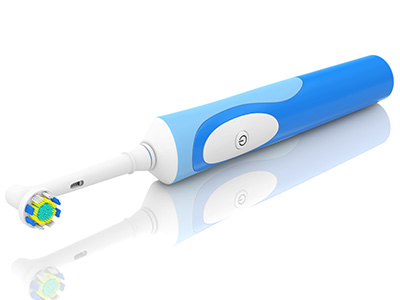
Sonicare toothbrushes use high-frequency vibrations to move bristles at speeds far greater than a standard manual brush. Instead of relying on a rotating head, these devices produce sonic waves that agitate the fluid around teeth and gums. That agitation helps dislodge plaque and food particles from areas that are difficult to reach with a conventional brush, including along the gumline and between tight contacts.
The sweeping motion created by sonic vibrations also encourages a gentle brushing technique. Because the brush does much of the mechanical work, patients who tend to press too hard may find it easier to reduce damaging force while still achieving an effective clean. For many users, the result is a more consistent plaque removal pattern from front teeth to back molars, which supports long-term gum health.
Sonicare models vary by brush head design, vibration frequency, and cleaning modes, but they share the same basic principle: move plaque away from the tooth surface and the gingival pocket using rapid, efficient motion. That combination of reach and speed is why sonic technology is often recommended as part of a daily preventive routine for people seeking better everyday oral hygiene.
Compared with manual brushing, sonic toothbrushes often deliver superior plaque reduction in clinical studies, particularly when used consistently and with proper technique. The sonic action helps sweep bacteria-laden biofilm out of crevices and along the gum margins where manual bristles may struggle to reach. For patients working to lower their risk of gingivitis or improve long-term periodontal stability, this can be a meaningful difference.
Another practical advantage is timing and consistency. Many electronic models include built-in timers and quadrant alerts, which encourage the two-minute brushing standard and promote even coverage of all areas of the mouth. Those small behavioral nudges can translate into better outcomes over months and years, especially for patients who skip or rush their brushing routine.
That said, the best brush is the one someone will use correctly every day. Manual brushes can be effective when paired with disciplined technique and regular professional cleanings. Sonicare offers an accessible technological boost for patients who want a tool that helps them brush smarter, not harder, with clinical benefits that complement regular dental care.
Dental professionals often suggest sonic toothbrushes for patients with specific oral health needs. People with sensitive gums, early recession, or a history of periodontal issues can benefit from the gentle yet thorough action of sonic cleaning. The vibration helps clean soft tissue margins without requiring aggressive scrubbing, reducing the risk of further abrasion while improving plaque control.
Patients who struggle with dexterity — whether due to age, arthritis, or other conditions — may also find an electric sonic brush easier to handle. The ergonomic handles and automated motion reduce the manual effort needed to perform a complete, effective brushing session. For caregivers assisting others with daily hygiene, sonic brushes can make the process more efficient and consistent.
Finally, sonic brushes pair well with professional care plans. When clinicians design a prevention strategy that includes routine scaling, targeted home care, and periodic monitoring, recommending an evidence-based brushing tool like Sonicare can help patients achieve measurable improvements in oral health between appointments.
Sonicare offers a range of models with different feature sets: from straightforward brushes that emphasize core cleaning performance to premium options with multiple modes, pressure sensors, and connectivity. Selecting the right model depends on the patient’s priorities — whether that’s sensitive gum care, whitening support, advanced timer functions, or a brush head optimized for orthodontic appliances.
When recommending a specific Sonicare, dental teams consider factors such as gum sensitivity, presence of restorations or implants, braces or aligners, and the patient’s manual dexterity. A simpler model may be ideal for someone new to powered brushes, while a patient seeking targeted stain reduction or gum-care modes might prefer a higher-tier unit with specialized cleaning programs.
For personalized guidance, our team can help match functional features to your oral health goals. If you’d like professional advice on which Sonicare would best support your brushing routine, call (972) 506-9688 to schedule a brief consultation and get tailored recommendations.
To keep a sonic toothbrush performing at its best, regular maintenance is straightforward. Rinse the brush head thoroughly after each use, allow it to air-dry, and replace the head when the bristles show visible wear or the manufacturer’s recommended interval is reached. Proper care reduces microbial buildup and helps maintain cleaning efficiency over time.
Battery care is also important. Many modern Sonicare models use rechargeable batteries designed for long-term use; follow the charging guidance in the user manual to preserve battery life. If you have multiple household members using the same base, store heads separately and consider color-coded options to avoid mix-ups.
Finally, pair your sonic brush with complementary home-care habits: daily interdental cleaning, appropriate toothpaste for your needs, and routine professional checkups. Combining the mechanical advantages of a Sonicare with consistent preventive practices gives patients the best chance of preserving healthy teeth and gums well into the future.
At Advanced Dental Care of Las Colinas, we view powered brushing as one element of a complete preventive plan. Our team can help you integrate a Sonicare into your daily routine in a way that supports long-term oral health goals.
In summary, Sonicare toothbrushes offer scientifically driven benefits that can enhance plaque removal, support gum health, and make daily brushing more consistent and effective. If you have questions about whether a Sonicare model fits your needs or want personalized guidance, please contact us for more information. We’re happy to help you choose the right tools for a healthier smile.
A Sonicare toothbrush uses sonic wave technology to deliver high-frequency vibrations that move the brush head tens of thousands of times per minute. Those vibrations agitate the fluid around the bristles to disrupt and remove plaque beyond the bristle tips. This action differs from mechanically rotating heads by creating broader cleaning motions across the tooth surface and along the gumline.
The design emphasizes gentle, rapid motion rather than aggressive scrubbing, which helps reduce abrasion on enamel and irritation to soft tissues. Most Sonicare models include timers and recommended brushing modes to encourage a thorough two-minute clean. The combination of speed, fluid dynamics, and tailored brush heads makes this technology effective for everyday oral hygiene.
Traditional electric toothbrushes often rely on rotating or oscillating head movements to scrub tooth surfaces. Sonicare devices operate at much higher frequencies, producing a sweeping, vibrating action that influences plaque removal beyond direct bristle contact. That difference can improve cleaning in tight spaces and along the gumline without increasing force.
Because the Sonicare action emphasizes fluid movement, users may experience effective plaque disruption while applying less pressure, reducing the risk of gum recession caused by hard brushing. Many sonic models come with multiple intensity settings so patients can choose a gentler mode if needed. These features make sonic brushes a distinct option compared with other electric designs.
Sonicare toothbrushes are appropriate for a wide range of patients, including those with sensitive gums, early gum recession, or a tendency to brush too hard. They are often recommended for adult patients over 40 because the sonic action can help reach deeper into gingival pockets where plaque accumulates. Patients with dexterity limitations may also find an electric brush easier to use than a manual toothbrush.
At Advanced Dental Care of Las Colinas, our team evaluates each patient’s oral condition and can recommend whether a Sonicare model is a good fit based on gum health, restorations, or orthodontic appliances. We can also demonstrate proper technique and suggest specific brush heads to optimize comfort and effectiveness. Consultation ensures the chosen toothbrush supports an individualized oral care plan.
Sonicare toothbrushes are generally safe to use with orthodontic appliances, dental implants, crowns, and bridges when used correctly. The gentle sweeping action helps remove plaque around brackets and implant abutments without applying excessive force to restorative margins. Patients with complex restorative work should follow manufacturer guidance and their dentist’s instructions to avoid dislodging loose components.
For braces, select a brush head designed for orthodontia or use interdental cleaners to address areas the brush cannot reach. For implants or crowns, use soft or medium brush heads and pay attention to the gumline to prevent plaque buildup around restorative interfaces. If you have any concerns about how an electric toothbrush interacts with a specific restoration, discuss them during your dental visit so the team can provide tailored advice.
To get the best results from a Sonicare toothbrush, hold the brush at a slight angle to the gumline and allow the brush head to rest briefly on each tooth surface as it vibrates. Move slowly from tooth to tooth rather than scrubbing back and forth, and follow the device’s built-in timer to ensure a complete cleaning session. Letting the brush do the work helps prevent overbrushing and reduces abrasion of enamel and gums.
Use gentle pressure and avoid forcing the bristles into hard contact with teeth or restorations; many models include pressure sensors that alert you if you’re pressing too hard. Incorporate the brush into a routine that also includes daily interdental cleaning and regular professional exams and cleanings. If you are unsure about technique, the dental team can provide an in-office demonstration during your next appointment.
Replace Sonicare brush heads according to the manufacturer’s recommendation or when bristles appear frayed, typically around every three months. Worn bristles reduce cleaning effectiveness and can harbor bacteria if not replaced regularly. Rinse brush heads thoroughly after each use and allow them to air dry to reduce microbial buildup.
Keep the charger and handle clean by wiping with a damp cloth and avoid submerging the handle in water, even though most handles are water-resistant. Battery performance varies by model; follow the manufacturer’s guidance for charging cycles to maximize lifespan. If your brush shows signs of malfunction or reduced performance, bring it to your dental appointment for inspection or discuss replacement options with our team.
Sonicare toothbrushes can be a gentle option for patients with sensitive gums because they rely on high-frequency motion rather than aggressive scrubbing. Using a soft-bristle brush head and selecting a lower-intensity mode can reduce irritation while maintaining plaque removal. Paired with proper technique, sonic brushing often improves comfort compared with hard manual brushing.
However, persistent gum sensitivity, bleeding, or pain should be evaluated by a dental professional to rule out underlying periodontal disease or other issues. Our hygienists can recommend specific brush heads, modes, or adjunctive therapies such as targeted home care products to support healing. If symptoms continue despite gentle brushing, schedule an exam so we can tailor treatment to your needs.
When comparing Sonicare models, consider features such as brushing modes (clean, sensitive, gum care), pressure sensors, built-in timers, and battery life. Bluetooth connectivity and companion apps can provide feedback on brushing habits, which some patients find helpful for improving technique. Also assess available brush head types so you can match the head design to your oral health needs.
Look for replaceable brush heads that are easy to find and affordable, and check whether the charger meets your daily use and travel needs. If you prefer a simpler device, basic sonic models still deliver the core benefits of high-frequency cleaning without additional technology. Our team can help you weigh feature importance based on your oral health priorities and lifestyle.
A Sonicare toothbrush is an effective tool within a comprehensive oral care routine but does not replace flossing or interdental cleaning. Daily interdental cleaning, routine professional cleanings, and regular dental exams remain essential for preventing gum disease and tooth decay. Combining sonic brushing with fluoride toothpaste supports enamel protection and cavity prevention.
For patients with specific risks such as periodontal disease, tobacco use, or dry mouth, additional home-care measures may be recommended to complement sonic brushing. Communicate your oral health history with your dental provider so they can recommend a tailored home-care regimen. This coordinated approach helps maintain long-term gum and tooth health.
If you would like personalized recommendations or a demonstration, contact our office and our team will help you select the most appropriate Sonicare model for your needs. We can advise on brush head selection, show correct technique, and identify features that will benefit your oral health. Patients can discuss interactions with restorative work, orthodontics, or sensitivity concerns during the consultation.
Advanced Dental Care of Las Colinas is located at 1075 Kinwest Parkway, Suite 100, Irving, TX 75063, and you can reach us at New Patients: (972) 499-3392 or Existing Patients: (972) 506-9688 for assistance. Our team is available during office hours to schedule a time to review your home-care tools and to provide hands-on guidance. Bringing your current toothbrush to the appointment allows us to make side-by-side comparisons and tailored suggestions.
Quick Links