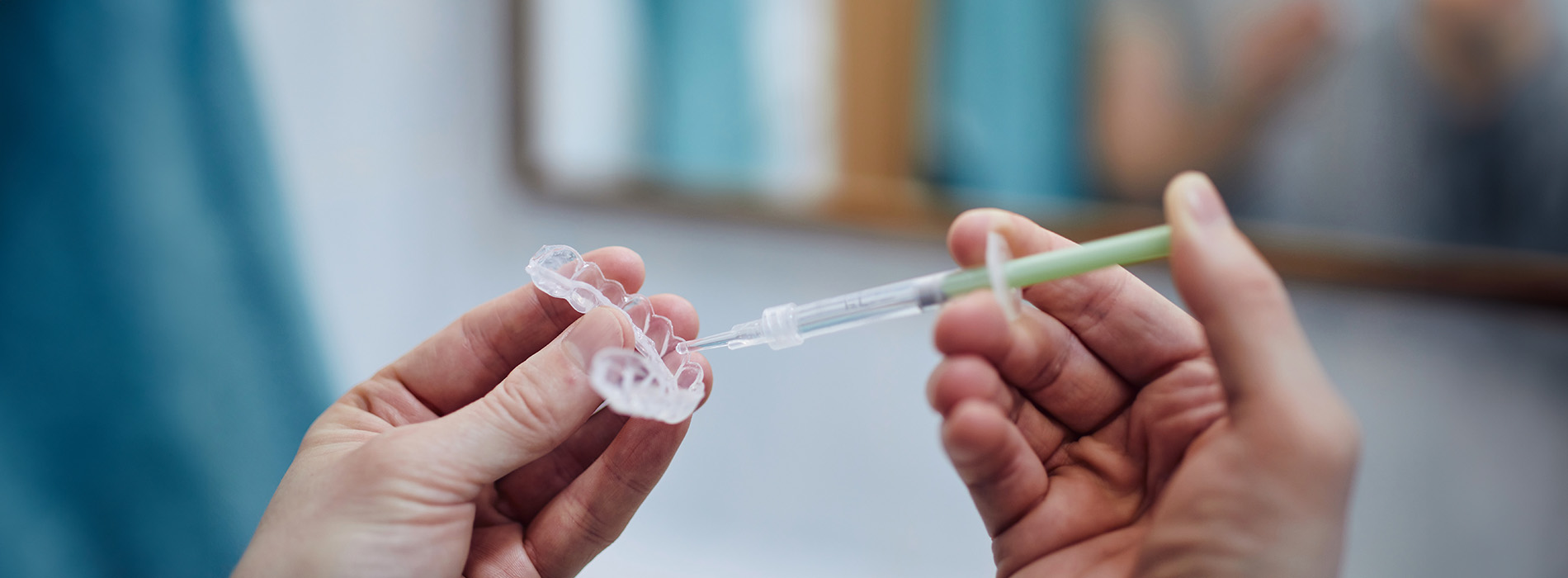

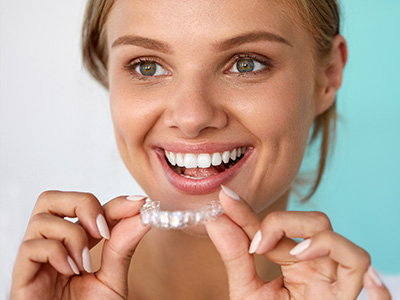
Custom teeth whitening trays let you complete a professional-grade whitening program in the comfort of your home. Unlike one-size-fits-all strips or generic kits, custom trays are tailored to your mouth so the whitening gel stays where it belongs — covering tooth surfaces rather than pooling on the gums. That tailored fit improves both comfort and effectiveness, producing a more uniform result across front and back teeth that show when you smile.
When prescribed by a dental team, tray-based whitening uses regulated, dentist-supplied bleaching agents that are applied in measured amounts. The combination of a precise tray and professional oversight reduces common problems associated with over-the-counter products, such as uneven color changes or excessive gum irritation. For many adults looking for noticeable whitening without repeated in-office sessions, custom trays strike a useful balance of convenience and clinical control.
At our practice, we evaluate each patient’s oral health prior to recommending trays to ensure the approach will be safe and effective. This assessment includes an exam for cavities, gum health, and existing restorations that might respond differently to bleaching. When teeth and gums are healthy and expectations are aligned, custom trays can be an excellent long-term strategy to refresh and maintain a brighter smile.
The process starts with an accurate map of your teeth. Modern options include a traditional impression or a digital scan using an intraoral scanner; both methods create a precise model from which trays are fabricated. Because the tray material must closely follow the contours of each tooth, capturing fine detail helps prevent leakage of gel onto soft tissues and ensures a secure, comfortable fit during wear.
Trays are typically made from a flexible, thin material that adapts closely to your tooth surfaces without feeling bulky. Laboratory technicians or in-office fabrication systems trim and polish each tray so margins sit just at the gum line — enough to contain the gel but not so close that it irritates tissue. Proper trimming and a careful fitting appointment allow your clinician to make minor adjustments and demonstrate insertion and removal.
Once fabricated, the trays are paired with a dentist-prescribed whitening gel and written instructions tailored to your sensitivity profile and schedule. Patients receive a demonstration of how much gel to use, how to seat the trays properly, and how to clean and store them. This hands-on onboarding reduces user error and promotes consistent results throughout the treatment period.
Consistency is the single most important variable for predictable whitening results. Most regimens call for daily or nightly wear over a specific number of days or weeks, depending on the strength of the gel and the individual’s goals. It’s important to follow the timing and application advice provided by your dental team — wearing trays longer than recommended or using extra gel does not speed results and can increase sensitivity or soft-tissue irritation.
Applying the correct amount of gel is equally important: a small bead along the front portion of each tray is usually sufficient. Overfilling leads to overflow and gum contact; underfilling can produce spotty whitening. After tray removal, it’s best to gently rinse the trays and brush your teeth with a non-abrasive toothpaste. Store trays in a ventilated case between uses to keep them hygienic and ready for the next application.
Monitoring progress helps you and your clinician determine whether to continue, pause, or modify the plan. Many patients notice perceptible lightening within a few sessions, while full results emerge gradually. Because whitening affects natural tooth structure but not most dental restorations, your dental provider can advise when restorations should be matched or updated after whitening is complete.
Tooth sensitivity is a common and usually temporary side effect of bleaching. It arises when whitening agents penetrate enamel and transiently affect the tooth’s inner layers. Fortunately, sensitivity can often be minimized with thoughtful protocol choices: shorter wear times, lower-concentration gels, or alternating days of use. Your dentist will recommend an approach that balances progress with comfort based on your history and response.
Desensitizing products — such as toothpaste or gels containing potassium nitrate or fluoride — can be incorporated before and during whitening to reduce discomfort. In-office applications or short interruptions in treatment may also help if sensitivity becomes bothersome. Importantly, enamel-safe techniques and professional oversight protect the long-term health of teeth while still achieving cosmetic improvement.
Patients with active decay, compromised enamel, or exposed root surfaces should address those issues before beginning a whitening regimen. A dental exam ensures that trays are used only when appropriate, and it allows the clinician to tailor instructions and follow-up care to reduce risk. Safeguarding tooth structure and oral health is the foundation of any cosmetic treatment plan.
Custom trays offer flexibility for touch-ups, which is one reason many people prefer them. After an initial whitening phase, occasional maintenance — for example, a few nights of treatment every few months — can help sustain results, especially for individuals who consume staining foods or beverages. Your dental team can provide refill gel or recommend an interval that keeps your smile bright without unnecessary exposure.
Regular dental hygiene, professional cleanings, and good lifestyle choices play a major role in how long whitening lasts. Plaque, tartar, and surface stains will gradually reduce brightness, so routine preventive care supports long-term outcomes. When restorations are present, periodic review will determine whether color-matching updates are needed to keep your smile cohesive.
Choosing where you receive care matters: clinical expertise, accurate assessment, and careful follow-up make custom-tray whitening safer and more effective. Advanced Dental Care of Las Colinas emphasizes thorough examinations, clear instructions, and personalized oversight so each patient gets a plan that fits their oral health and cosmetic goals. If you live in the Irving and Las Colinas area and are considering whitening, a brief consultation will help you understand whether custom trays are the right option.
Summary: Custom teeth whitening trays provide a controllable, professional pathway to a brighter smile while allowing patients to complete treatment at home. When crafted precisely, used according to clinical guidance, and monitored by a dental team, trays deliver consistent, comfortable whitening with options for ongoing maintenance. Contact us to learn more about how this approach could fit your smile goals and to schedule a consultation with our team.
Teeth whitening trays are custom-made dental appliances designed to hold professional-strength whitening gel against the surfaces of your teeth. They are created from impressions or digital scans to match the contours of your teeth and gums for an even fit. By sealing the gel in place, trays help promote consistent whitening results while reducing contact with soft tissues.
Because trays are tailored to your mouth, they are more comfortable and more effective than many over-the-counter alternatives. The trays themselves are typically made from clear, flexible material that is easy to insert and remove. With proper use and care, whitening trays are a convenient at-home option supervised by your dental team.
Custom whitening trays are made from an exact fit of your teeth, which helps distribute professional-grade bleaching gel uniformly across each tooth surface. Over-the-counter products like strips or generic trays often do not conform precisely to individual tooth shapes, which can lead to uneven whitening or gum irritation. Professional trays also allow your dentist to recommend a specific concentration and regimen that balances effectiveness with comfort.
In addition, custom trays are used under dental supervision so your oral health is assessed before treatment begins and any risks are managed. This supervision helps identify restorations or sensitivity issues that might affect outcomes. The result is a safer, more predictable whitening experience compared with many store-bought options.
The process begins with a consultation and oral exam to confirm that whitening is appropriate and to address any existing dental concerns. Next, impressions or a digital scan of your teeth are taken to fabricate trays that match your bite and gum line precisely. When the trays are ready, your dentist provides whitening gel and detailed instructions on application, wear time, and frequency.
Before you start, your dental team will explain how to place the gel in the trays and how to avoid unnecessary contact with gums to minimize sensitivity. They will also recommend an initial treatment schedule and follow-up so progress can be monitored. This stepwise approach ensures safe, effective results tailored to your needs.
Wear time and frequency depend on the concentration of the whitening gel and your dentist’s recommendations, but a common protocol is daily use for a period of one to two weeks. Each application session often ranges from 30 minutes to several hours or overnight, depending on the product and clinical guidance. Your dental team will provide a personalized schedule designed to reach your desired shade while minimizing sensitivity.
It is important to follow instructions closely and to avoid overuse, which can increase the risk of gum irritation and enamel sensitivity. If you experience discomfort, contact your dentist to adjust the regimen or try a lower-strength formula. Regular follow-up ensures the plan remains safe and effective as your teeth respond to treatment.
Sensitivity and mild gum irritation are possible side effects of whitening but are usually temporary and manageable with proper techniques. Custom trays help reduce gum irritation by providing a precise fit that limits gel migration onto soft tissue, and your dentist can recommend desensitizing products or a modified schedule if sensitivity occurs. Starting with lower concentrations and shorter wear times often helps patients acclimate to treatment with less discomfort.
If sensitivity persists or becomes severe, stop treatment and consult your dental team to rule out underlying conditions like cavities or gum disease. In many cases, sensitivity diminishes shortly after treatment ends and can be controlled with over-the-counter desensitizing toothpaste or a prescribed gel. Monitoring by your dentist ensures any adverse effects are addressed promptly and safely.
Results vary by individual and depend on lifestyle factors such as diet, tobacco use, and oral hygiene, but many patients enjoy noticeably whiter teeth for several months to a few years. To prolong results, avoid frequent consumption of staining foods and beverages like coffee, tea, and red wine, and maintain daily brushing and flossing. Periodic touch-up treatments using your trays and a small amount of whitening gel can help restore brightness when needed.
Regular dental cleanings and good oral hygiene also play a key role in preserving whitening results by removing surface stains and preventing plaque buildup. Your dentist can suggest an appropriate touch-up schedule based on how quickly your teeth re-stain. Following these steps helps you keep a brighter smile for longer while protecting overall oral health.
Good candidates are adults with healthy teeth and gums who are seeking to lighten extrinsic stains caused by food, drink, or aging. Whitening is less effective on restorations such as crowns, veneers, or composite fillings, so patients with many restorations should review expectations with their dentist. A preliminary exam ensures there are no untreated cavities, active gum disease, or other concerns that should be addressed before bleaching.
Teeth whitening is not recommended for children whose teeth and gums are still developing or for pregnant or breastfeeding patients without a dentist’s guidance. Your dental team will assess your medical and dental history, discuss realistic outcomes, and recommend the safest, most effective approach for your goals. That evaluation helps set appropriate expectations and reduces the chance of complications.
Professional whitening products do not change the color of ceramic or composite restorations, so existing crowns, veneers, and fillings may remain their original shade after surrounding natural teeth are lightened. This difference can create a mismatch in appearance if restorations are visible when you smile. Because of that, dentists often discuss the timing of whitening relative to restorative work and may recommend replacing restorations after bleaching to achieve a uniform color.
Before beginning treatment, your dentist will review any restorations and explain potential outcomes so you can plan cosmetic adjustments if desired. In some cases, whitening first and then updating restorations produces the most harmonious aesthetic result. Clear communication during the consultation helps align your expectations with achievable outcomes.
Rinse trays with cool water immediately after each use and gently brush them with a soft toothbrush to remove residual gel; avoid hot water which can warp the material. For periodic deeper cleaning, soak trays briefly in a non-abrasive denture or retainer cleaner following the manufacturer's instructions, and always rinse thoroughly before the next application. Store trays in a ventilated case away from direct sunlight and heat to preserve their shape and cleanliness.
Inspect trays regularly for signs of wear or distortion and bring them to your dental appointments so the team can evaluate their fit. Poorly fitting or damaged trays should be repaired or remade to maintain effectiveness and prevent irritation. Proper care extends the life of your trays and supports safer, more predictable whitening results.
Advanced Dental Care of Las Colinas combines experienced clinicians with modern scanning and fabrication techniques to create trays that fit precisely and deliver safe, effective whitening. Our team evaluates your oral health, recommends an appropriate whitening protocol, and provides follow-up care to monitor results and manage sensitivity if it occurs. This clinical oversight helps ensure predictable outcomes and addresses any concerns that arise during treatment.
Choosing a dental practice for whitening means you receive a personalized plan rather than a one-size-fits-all solution, and the team can coordinate whitening with other cosmetic or restorative goals. If you live in Irving or Las Colinas and are considering custom trays, a consultation will clarify expectations and produce a treatment pathway tailored to your smile. Professional supervision helps you achieve a brighter smile while protecting your oral health.
Quick Links