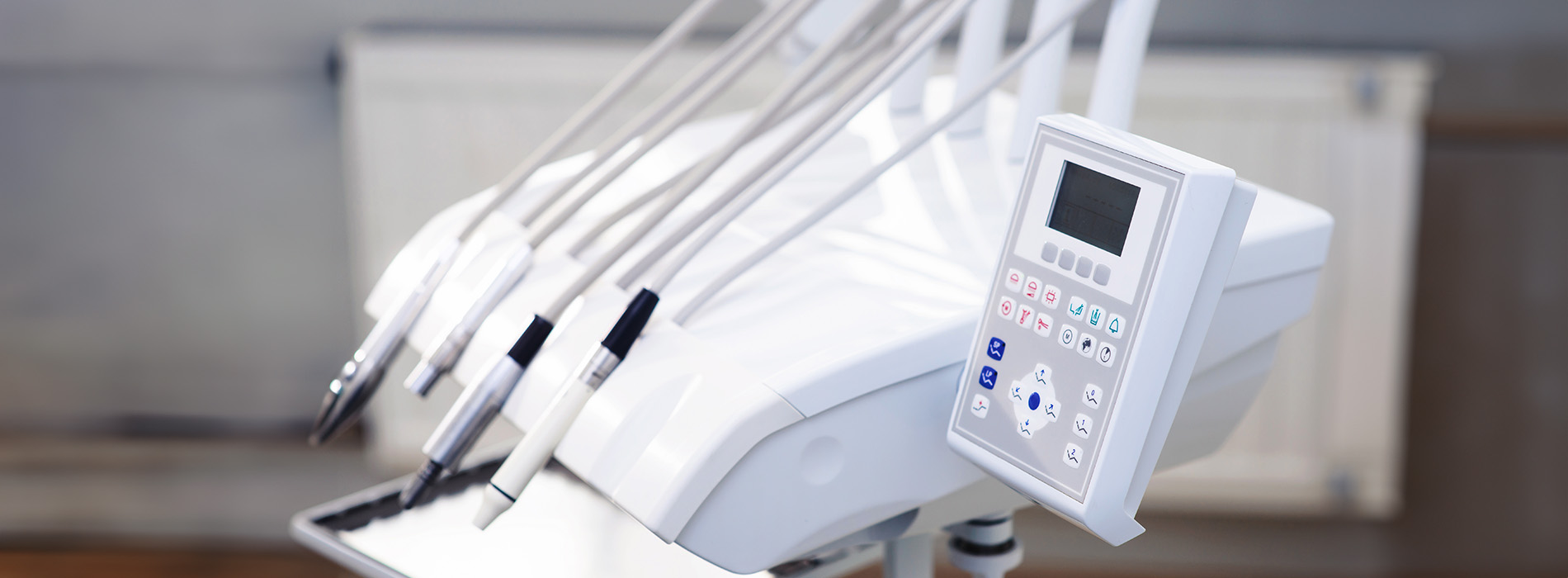

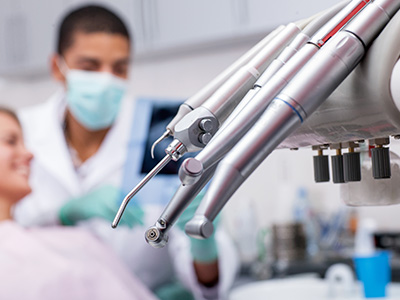
Ultrasonic instruments have become a cornerstone of contemporary dental hygiene because they combine efficiency with gentle, thorough cleaning. Rather than relying solely on manual scraping, ultrasonic scalers use high-frequency vibrations to dislodge hardened deposits and biofilm from tooth surfaces and just beneath the gumline. For many patients this leads to more complete removal of irritants that contribute to gingival inflammation and periodontal disease, while often shortening the time needed for a professional cleaning.
Beyond speed, the real benefit of ultrasonics is consistency. The device’s calibrated tips and controlled vibration patterns deliver precise, repeatable results across multiple appointments and different operators. That predictability helps clinicians develop better long-term maintenance strategies for patients with recurring buildup or chronic gum concerns. When used as part of a comprehensive hygiene program, ultrasonics support healthier tissues and more stable oral outcomes.
Patients commonly report that ultrasonic cleanings feel less abrasive than prolonged hand scaling, particularly when treating large areas of calculus or deep pockets. The combination of mechanical vibration and water irrigation tends to minimize scraping sensations while flushing out debris, leaving treated areas cleaner and more comfortable after the appointment. These characteristics make ultrasonics especially valuable for people who need thorough periodontal care but wish to avoid lengthy or uncomfortable procedures.
At a basic level, ultrasonic scalers convert electrical energy into rapid mechanical vibrations at frequencies beyond human hearing. Tiny metal tips oscillate thousands of times per second; those vibrations break the bond between mineralized deposits and the tooth surface. Simultaneously, a stream of water at the tip cools the instrument and rinses away loosened plaque, bacteria, and calculus, preventing heat buildup and promoting a cleaner environment for the tissues to heal.
There are two common ultrasonic technologies in dental practice: magnetostrictive and piezoelectric. Each generates vibrations differently and may produce a slightly different tactile sensation for the patient, but both are effective when used skillfully. Clinicians select tips and settings based on the clinical need—fine tips for narrow root surfaces, broader tips for heavy calculus, and specialized inserts for implant maintenance—to balance efficiency with tissue safety.
Another mechanism that contributes to cleaning is cavitation: the formation of microscopic bubbles in the irrigating fluid that collapse near the bacterial biofilm. This action helps disrupt microbial colonies and removes softer deposits that can be difficult to reach with instruments alone. Together, vibration, irrigation, and cavitation form a multi-pronged approach that addresses both visible buildup and the microscopic elements of dental plaque.
When you arrive for a prophylaxis or periodontal visit, your dental professional will assess your oral condition and explain the plan. During ultrasonic scaling, the clinician will use a light, steady hand and adjust power and water flow to your needs. Many patients notice a gentle tapping or buzzing sensation and feel the cooling spray of water; any discomfort is usually mild and temporary. If sensitivity is a concern, clinicians can employ topical desensitizing agents or adjust technique to reduce sensations.
The procedure typically alternates between ultrasonic instrumentation and targeted hand-scaling to ensure delicate areas are addressed without over-instrumentation. Ultrasonics efficiently remove the bulk of deposits while hand instruments refine root surfaces and smooth areas where the ultrasonic tip cannot reach precisely. Throughout the appointment, clinicians monitor tissue response and patient comfort, pausing as needed to irrigate, re-evaluate, or provide breaks.
If you have specific concerns—sensitivity, bleeding, or a history of periodontal disease—your hygienist will discuss aftercare steps and any recommended follow-up. Effective rinsing, gentle homecare adjustments, and possibly a short-term antiseptic mouth rinse can support tissue recovery. Our team also documents findings and coordinates with the dentist for any additional treatment planning to maintain long-term periodontal health.
For questions about ultrasonic treatment or to arrange an appointment, please call us at (972) 506-9688 or email us anytime.
Ultrasonic devices are especially useful for patients with moderate to heavy calculus, generalized staining, or periodontal pockets that require a thorough, efficient approach. They are commonly used during routine cleanings, periodontal maintenance visits, and in preparatory phases before restorative work to ensure surfaces are free of contaminants. Ultrasonics are also an effective first-line tool for treating implant surfaces when combined with implant-safe tips designed to avoid scratching.
However, ultrasonics are not a universal solution for every scenario. In very tight interproximal spaces, on certain restorations, or when treating extremely delicate root anatomy, hand instruments may be preferable for precision. Clinicians assess each case to combine tools appropriately—ultrasonic for bulk reduction and irrigation, and hand instruments for final smoothing and precision work—so that outcomes are safe and durable.
Patients with specific medical considerations, such as certain cardiac conditions or respiratory vulnerabilities, should always share their full medical history so the team can tailor the approach. In most cases, adjustments to the technique, additional suctioning, or modified scheduling ensure safe treatment without sacrificing effectiveness. Clear communication between patient and clinician is key to selecting the best plan for each individual’s oral and overall health.
We integrate ultrasonic technology into a broader, patient-focused model of care that emphasizes safety, comfort, and measurable improvement. Instrument maintenance, tip selection, and strict infection-control protocols are essential parts of delivering predictable results. Clinicians at our practice calibrate devices, inspect tips for wear, and follow sterilization standards so that every ultrasonic treatment meets current professional guidelines.
Comfort measures are built into the visit experience: ergonomic positioning, frequent irrigation and suctioning to minimize swallow reflex, and options for desensitizing treatments when needed. Our hygienists and dentists work together to monitor healing and adjust maintenance intervals based on each patient’s tissue response and risk profile. That individualized follow-up helps prevent recurrence and supports long-term stability.
At Advanced Dental Care of Las Colinas, we view ultrasonic instrumentation as one component of a comprehensive preventive strategy. By combining advanced tools with clinical judgment and patient education, we help people preserve their natural teeth and gum health for years to come. If you’d like to learn more about how ultrasonic care fits into your dental plan, please contact us for more information.
Ultrasonics in dentistry are powered instruments that use high-frequency vibrations to remove plaque, calculus and biofilm from tooth surfaces and below the gumline. They rely on very rapid oscillations of a small metal or composite tip to mechanically dislodge deposits while delivering a constant stream of water to flush debris. These tools allow clinicians to work with precision in tight spaces and along root surfaces that can be difficult to clean with hand instruments alone. When used properly, ultrasonics improve the efficiency and consistency of professional cleanings.
Ultrasonic instruments come in different shapes and sizes to match specific clinical needs, including periodontal therapy and routine hygiene appointments. They may be magnetostrictive or piezoelectric in design, which affects tip movement but not the cleaning outcome when used appropriately. Clinicians select tip type, power setting and irrigation flow based on the area being treated and the patient’s sensitivity. These adjustments help maximize effectiveness while minimizing discomfort.
Ultrasonic instruments operate by converting electrical energy into high-frequency vibrations that occur above the range of human hearing. Those vibrations move the instrument tip rapidly against calculus and plaque, breaking their attachment to the tooth surface. A steady water spray cools the tip and washes away loosened debris, creating a cleaner working field. The combination of mechanical disruption and irrigation is what makes ultrasonic cleaning effective in narrow or deep areas.
Some ultrasonic devices also produce secondary effects such as microstreaming and limited cavitation, which can help dislodge bacterial biofilm from microscopic surface irregularities. Power output, tip design and the angle of application determine how aggressively the device acts on hard and soft deposits. Dental professionals are trained to calibrate these variables for safe, thorough treatment tailored to each patient.
Ultrasonics are commonly used to treat heavy calculus, stubborn stains and subgingival plaque that contribute to gum inflammation and periodontal disease. They are a first-line tool for scaling and root debridement during periodontal therapy and maintenance visits. Ultrasonic devices can also aid in removing biofilm around orthodontic appliances, crowns and bridges where plaque tends to accumulate. Their ability to flush out debris makes them useful in treating deep periodontal pockets and hard-to-reach interproximal areas.
In addition to hygiene appointments, ultrasonics are often part of periodontal scaling and root planing procedures and may be used during certain endodontic or surgical workflows under specific clinical protocols. The decision to use ultrasonics depends on the patient’s oral health, the extent of calculus and the clinical goals of treatment. Your dental team will explain how ultrasonic therapy fits into a comprehensive treatment plan for preventing disease progression.
When performed by a trained clinician, ultrasonic scaling is generally safe and well tolerated by most patients. Many people notice mild vibration and a cooling spray of water, but pain is typically minimal and short-lived. To reduce sensitivity, clinicians can lower the power setting, alter the tip orientation or apply topical desensitizing agents when needed. Proper technique and communication help keep the procedure comfortable for patients with dental anxiety or sensitive teeth.
Advanced infection-control measures and high-volume suction are used to manage splatter and aerosols, improving safety for both patients and staff. Patients with special medical considerations should always discuss their full medical history so the team can take appropriate precautions. If you have concerns about comfort or specific health conditions, your hygienist or dentist will adapt the treatment to meet those needs.
Ultrasonics provide faster removal of large volumes of calculus and reduce clinician fatigue compared with manual scaling alone. They excel at disrupting tenacious deposits and flushing subgingival areas, which can shorten appointment time for heavy buildup. Manual scalers still play a vital role, offering tactile feedback and fine control for smoothing root surfaces and removing residual deposits. In many cases, a combination of ultrasonic and hand instrumentation produces the most thorough result.
Choice of instrument depends on the clinical situation, patient comfort and the clinician’s judgment. For delicate areas, restorative margins or when precise root planing is required, hand instruments may be preferred or used to finish the procedure. Your dental team will explain the approach that best balances efficiency, tissue health and long-term maintenance.
Side effects from ultrasonic treatment are generally mild and temporary, including brief tooth sensitivity, minor gum irritation or light bleeding in inflamed tissues. Patients may experience a transient sensation of vibration or awareness of the water spray during the appointment. Serious complications are uncommon when devices are used correctly by trained professionals. Open communication before and during treatment helps the team identify and manage any discomfort promptly.
Certain precautions are taken for patients with specific health conditions or implanted electronic devices, so it is important to provide an up-to-date medical history. The practice follows current infection-control protocols and uses suction and barriers to limit aerosol spread when clinically indicated. If you have questions about risks related to your health profile, your dentist will review them with you and tailor care accordingly.
There is usually no special preparation required for an ultrasonic cleaning beyond arriving with an accurate medical history and a list of current medications. If you wear removable appliances, bring them or let your hygienist know so they can be managed during the visit. Patients with known heart conditions, joint replacements or other systemic concerns should inform the office so the team can determine whether pre‑appointment measures are needed. If you experience dental pain or a specific concern before your appointment, call the office so the team can prioritize and plan appropriate care.
Try to maintain normal oral hygiene before your visit unless your provider advises otherwise, as regular brushing and flossing reduce the amount of buildup to be removed. If you have heightened anxiety, discuss comfort options with the team ahead of time so they can provide reassurance or accommodations during the procedure. Clear communication about your needs and expectations helps the clinician deliver an efficient, comfortable visit.
The recommended frequency for ultrasonic treatments varies based on your oral health, risk factors and history of gum disease. Many patients benefit from routine hygiene visits every four to six months, while those with active periodontal disease often need more frequent maintenance. A personalized schedule helps control plaque accumulation and prevents disease progression. The dental team will assess tissue condition, pocket depths and healing response to set the optimal interval.
Following a prescribed maintenance plan is one of the most effective ways to preserve periodontal health and protect dental work such as crowns and implants. Treatment intervals may be adjusted over time based on response to therapy and changes in overall health or medications. Your hygienist or dentist will review the rationale for the recommended recall and provide guidance on home care between visits.
Modern ultrasonic systems include a variety of tip materials and designs to work safely around dental restorations and implants. Metal tips are effective on natural tooth structure, while plastic or coated tips are available to avoid scratching restorative materials or implant surfaces. When treating implants, clinicians use nonabrasive tips and gentle technique to prevent damage to the implant surface and surrounding tissues. Selecting the correct tip and setting is an important part of protecting restorative work during hygiene appointments.
Regular ultrasonic maintenance helps prevent peri-implantitis and preserves the integrity of crowns, bridges and veneers when performed with appropriate instruments. If you have specific types of restorations or recent implant surgery, let your dental team know so they can tailor the cleaning approach. A coordinated plan ensures effective plaque removal without compromising restorative materials.
Advanced Dental Care of Las Colinas integrates ultrasonic technology as part of a modern, evidence-based approach to preventive and periodontal care. Ultrasonics allow our clinicians to provide efficient, thorough debridement while maintaining patient comfort and adhering to strict sterilization protocols. Using these instruments alongside digital diagnostics and skilled clinical assessment helps the practice identify disease early and manage it proactively. Our team selects the appropriate tips and settings for each patient to optimize outcomes and protect existing restorations.
If you would like to learn more about how ultrasonics fit into your individualized treatment plan, our hygienists and dentists are available to answer questions and explain options at your visit. We welcome patients from Irving and Las Colinas and strive to make every appointment informative and comfortable. Discussing your medical history, oral goals and any concerns lets us provide the safest, most effective care tailored to you.
Quick Links