When a cavity or minor damage threatens a tooth, a contemporary tooth-colored filling can restore both form and function without drawing attention. These restorations are made from composite resin — a blend of durable polymers and glass or ceramic particles — that closely matches the shade and translucency of your natural enamel. The result is a discreet repair that looks like part of your tooth rather than a separate, metallic piece.
At the office of Advanced Dental Care of Las Colinas, we prioritize repairs that preserve as much healthy tooth structure as possible while delivering a natural appearance. Because composite materials bond directly to tooth surfaces, we can often avoid removing healthy enamel beyond the area of decay. That conservative approach supports long-term strength and helps maintain your tooth’s natural shape.
Beyond aesthetics, modern composites are engineered for performance. They resist wear from chewing, provide a tight seal against bacteria when placed correctly, and can be effectively polished to a smooth finish that resists staining. For many patients, a tooth-colored filling is both a practical and visually pleasing solution for treating cavities and small fractures.
One of the defining advantages of composite restorations is their ability to adhere to both enamel and dentin. This adhesive bond distributes biting forces more naturally across the tooth and reduces the need for extensive drilling that older techniques sometimes required. In practice, this means less removal of healthy material and a restoration that acts as part of the tooth rather than merely filling a hole.
Composites are also free from metal, which eliminates concerns about visible restorations at the margins and eliminates the use of mercury-containing alloys. For patients seeking a more conservative and modern option, the bonded restoration aligns with both functional and aesthetic goals. The shade-matching process allows your dentist to blend the repair so it’s difficult to notice even on front teeth.
Finally, because bonding reinforces the remaining tooth structure, composite fillings can prolong the life of a compromised tooth and often delay or prevent the need for more invasive treatments. Routine examinations let your dentist monitor restorations and intervene early if minor adjustments or repair are needed.
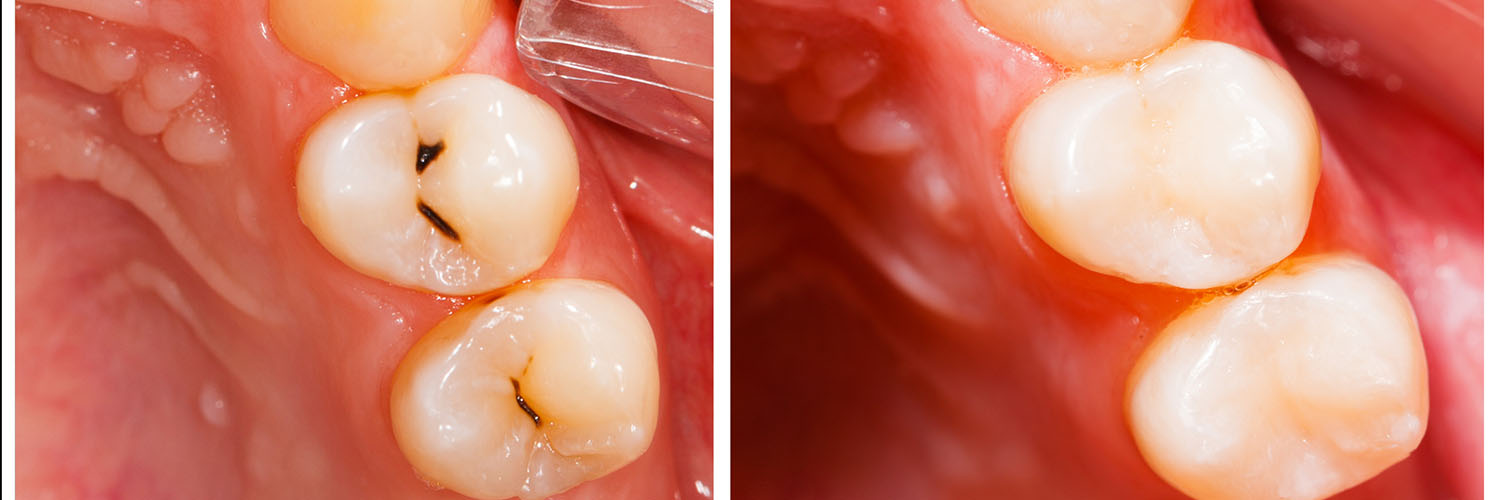
Treatment typically begins with a careful exam and local anesthesia to ensure you are comfortable. The dentist removes the weakened, decayed portion of the tooth using gentle, precise instruments. Because composite material bonds to the tooth, the preparation is usually more conservative than for traditional metal fillings.
After the tooth is prepared, the composite resin is placed in thin layers. A special curing light is used to harden each layer, allowing the dentist to sculpt the material to restore the tooth’s natural contours and bite. This incremental technique gives excellent control over shape and strength, resulting in a stable restoration that fits smoothly with adjacent teeth.
Before you leave the operatory, the filling is carefully polished and checked against your bite to prevent any high spots that might cause sensitivity or uneven wear. If you prefer extra support for anxiety or sensitivity, our team can discuss sedation dentistry options to help you feel more relaxed during the visit.
It’s normal to experience mild sensitivity to temperature or pressure for a short time after a filling. This usually resolves within days or a few weeks as the tooth adjusts. Until numbness from the anesthetic wears off, avoid chewing on that side to prevent accidental biting of your cheek or tongue.
Maintain good oral hygiene — brushing twice a day, flossing daily, and keeping routine checkups — to help your filling last. Composite restorations are durable, but like any dental work they are subject to wear and may need repair or replacement over time. Avoid using teeth as tools and minimize habits that can stress restorations, such as chewing ice or opening packages with your teeth.
If you notice persistent or worsening sensitivity, rough or discolored edges, a crack, or discomfort when biting, contact the practice so we can evaluate the restoration. Early assessment allows simple adjustments or repairs before a problem becomes more extensive.
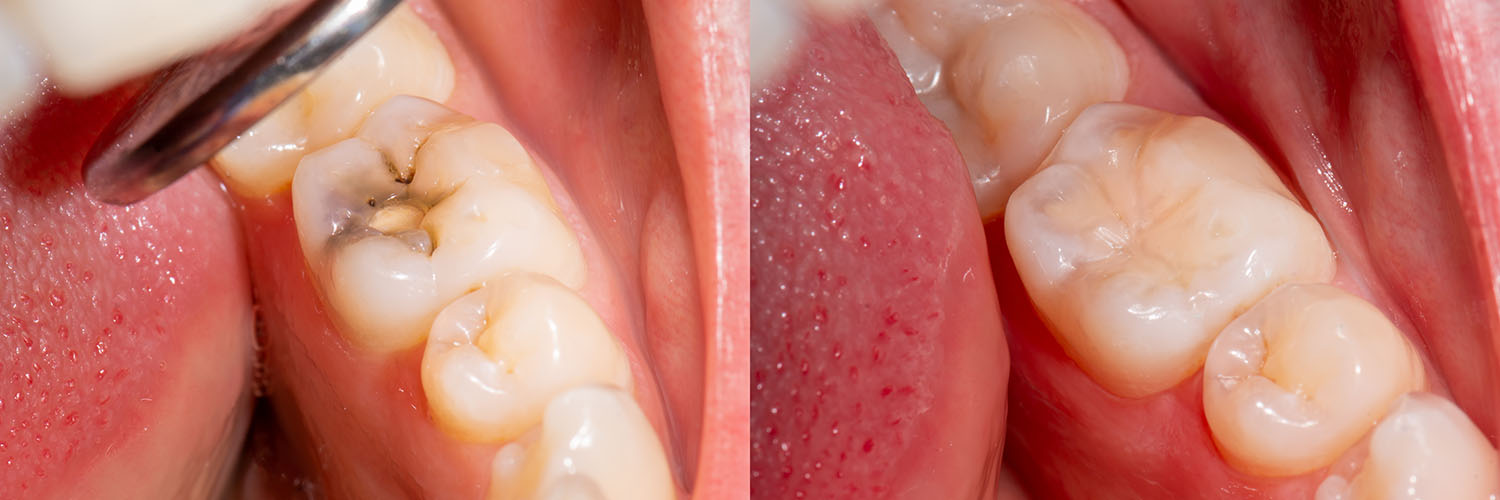
Fillings are an excellent solution for small to moderate cavities and minor tooth fractures. However, not every situation is best served with a direct composite restoration. If a tooth has large areas of damage, extensive previous restorations, or structural weakness, alternative restorations such as onlays, crowns, or in some cases root canal treatment may deliver a longer-lasting result by providing greater coverage and support.
Decision-making combines clinical evaluation, X-rays, and a conversation about your goals and preferences. Our team looks at the amount of remaining healthy tooth, bite forces, location in the mouth, and aesthetic desires to recommend the option that balances preservation with durability. In many cases a bonded filling can be an interim step that preserves tooth structure while planning a more comprehensive restoration if needed later.
Our approach is to choose the least invasive effective treatment and to plan for predictable outcomes. When a restoration is placed, we document its condition and discuss a maintenance plan so you know what to expect over time. This proactive care helps protect your smile and reduces the chance of unexpected complications.
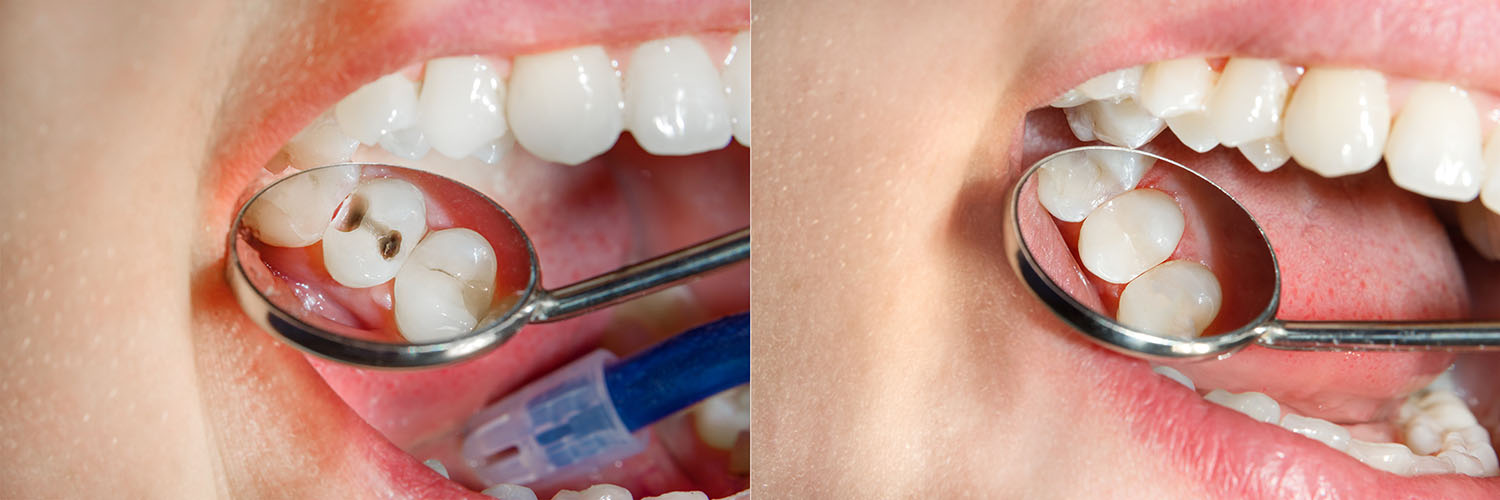
Our goal is to restore teeth in a way that looks natural, functions reliably, and supports long-term oral health. If you have questions about cavity treatment, whether a tooth-colored filling is right for you, or how to protect a recent restoration, our team is here to help.
To learn more or schedule a consultation, please contact us for additional information.
Composite fillings are tooth-colored restorations made from a resin material blended with fine glass or ceramic particles to mimic the appearance of natural enamel. They are designed to repair teeth damaged by decay, chips, or minor fractures while restoring normal form and function. Because the material can be shaded to match surrounding teeth, composites provide an aesthetic alternative to traditional metal fillings.
The placement process relies on a bonding technique that creates a mechanical and chemical attachment to enamel and dentin. This direct bond helps seal the treated area against bacteria and supports the remaining tooth structure. When properly maintained, composite restorations offer a durable and natural-looking repair for many common cavity repairs.
Composite restorations are popular because they are mercury-free and can be closely matched to the color of your natural teeth, which improves aesthetics especially in visible areas. The bonding process also allows dentists to preserve more healthy tooth structure since less drilling is often required compared with amalgam preparations. These advantages make composites a conservative and visually pleasing choice for many patients.
In addition to cosmetic and conservative benefits, composite materials bond to both enamel and dentin which can strengthen the restored tooth. Modern composites have improved wear resistance and longevity compared with earlier formulations. Nevertheless, the best material choice depends on the location and extent of the restoration, and your dentist will recommend the most appropriate option for each situation.
Placement of a composite filling typically begins with a careful examination and removal of the decayed or damaged tooth material under local anesthesia to ensure patient comfort. The tooth is then cleaned and conditioned to promote adhesion, and the composite resin is applied in thin layers that are each shaped and cured with a specialized light. Layering the material allows the dentist to sculpt the restoration to match the tooth's natural contours and occlusion.
After the final layer is cured, the dentist refines the anatomy and polishes the restoration to create a smooth surface that resists staining and plaque buildup. Most single-tooth restorations are completed in one visit, and care is taken throughout the appointment to protect surrounding tissues and maintain a dry field for reliable bonding. At the office of Advanced Dental Care of Las Colinas we explain each step and ensure patients understand postoperative expectations and care instructions.
It is common to experience temporary numbness from local anesthesia immediately after the appointment, and patients should avoid chewing until sensation returns to prevent biting soft tissues. Mild sensitivity to hot, cold, or pressure can occur for a few days as the tooth adjusts to the new restoration. Over-the-counter analgesics and avoiding extremely hot or cold foods can help while sensitivity settles.
If you notice persistent pain, discomfort when biting, or a high spot that affects your bite, contact the office so the restoration can be evaluated and adjusted if necessary. Maintaining good oral hygiene and attending routine checkups will help the filling integrate with the tooth and perform well over time. Regular professional examinations also allow the dentist to monitor the restoration for wear, marginal breakdown, or recurrent decay.
Composite fillings can last many years, but their lifespan varies depending on factors such as cavity size, location, biting forces, oral hygiene, and dietary habits. Small-to-moderate restorations in low-stress areas often last longer than large restorations subjected to heavy chewing forces. Regular dental checkups help identify early signs of wear or failure so repairs or replacements can be scheduled before problems escalate.
Proper at-home care—brushing with fluoride toothpaste, daily flossing, and reducing frequent exposure to sugary or acidic foods—helps extend the life of a restoration. Habits such as grinding or clenching teeth can accelerate wear and may warrant protective measures like a night guard. Your dentist will discuss risk factors specific to your mouth and recommend strategies to maximize restoration longevity.
Some sensitivity after a composite placement is normal and usually short-lived as the tooth adjusts to the restoration and any local anesthetic wears off. Sensitivity can arise from the bonding process, shrinkage of the resin during curing, or inflammation of the pulp when decay was near the nerve. Most cases improve within a few days to weeks without intervention.
If sensitivity persists beyond a few weeks or is severe, your dentist will evaluate the tooth to rule out issues such as high occlusion, microleakage, or pulp inflammation that may require additional treatment. Desensitizing agents, topical fluoride, occlusal adjustments, or in rare cases endodontic therapy can be recommended based on the underlying cause. Open communication with your dental team ensures timely assessment and appropriate care.
A filling is an effective solution for small to moderate cavities or minor fractures, but when a tooth has extensive decay, a large fracture, or substantial loss of structural integrity, a crown or onlay may be a more durable choice. Crowns encase the entire visible portion of the tooth and restore strength and function for teeth that cannot be predictably repaired with direct restorative materials. Onlays and partial crowns are conservative alternatives when a full crown is not yet necessary but the defect is too large for a simple filling.
Your dentist will assess the remaining tooth structure, bite forces, and esthetic concerns when recommending restoration options. In some cases, a tooth that has recurrent decay under an existing filling or a tooth that has undergone root canal treatment will perform better long-term with a crown. A tailored treatment plan prioritizes both function and conservation of healthy tooth structure.
Composite fillings are widely used and considered safe for both children and adults; they are free of mercury and are formulated to meet rigorous dental material standards. For pediatric patients, composites offer the advantage of conservative preparations and color-matched restorations that preserve tooth structure and appearance. Dentists select materials and techniques appropriate for a patient’s age, caries risk, and eruption status of primary or permanent teeth.
As with adult care, long-term success depends on proper placement, oral hygiene, and regular dental visits to monitor the restorations. Parents should work with their dental team to establish preventive routines, topical fluoride when indicated, and timely treatment of new cavities to maintain oral health. Clear communication about behavior management and comfort options can also improve the pediatric experience.
Yes, there are several comfort options available to help patients who experience dental anxiety or fear of dental procedures, including local anesthesia, nitrous oxide (laughing gas), and oral or IV sedation when appropriate. These measures are selected based on the patient’s health history, level of anxiety, and the complexity of the procedure to ensure safety and effectiveness. A pre-treatment consultation allows the team to explain options, assess suitability, and obtain informed consent.
At Advanced Dental Care of Las Colinas we prioritize patient comfort and take the time to discuss sedation alternatives and what to expect before, during, and after treatment. Monitoring and recovery protocols are followed closely to support a calm and controlled experience. If you are concerned about anxiety, mention it during scheduling so your provider can prepare and recommend the best approach for your needs.
Consistent daily oral hygiene is the foundation of cavity prevention: brush twice a day with fluoride toothpaste, clean between teeth once daily with floss or interdental brushes, and limit frequent snacking on sugary or acidic foods and beverages. Fluoride strengthens enamel and topical applications or fluoride-containing products may be recommended for patients at higher risk of decay. Maintaining a balanced diet and staying hydrated also support healthy saliva flow and natural defense mechanisms.
Regular dental visits for professional cleanings and examinations are essential for early detection and minimally invasive treatment of decay. Your dentist or hygienist can provide personalized preventive strategies such as dental sealants for children, individualized oral hygiene coaching, and periodic fluoride treatments when indicated. Working together with your dental team helps preserve healthy teeth and minimize the need for restorative care.
Quick Links