Modern materials and digital techniques have transformed tooth replacement. While dental implants and fixed bridgework provide long-term, permanent options for many patients, removable dentures remain a dependable and adaptable solution for restoring lost teeth and oral function.
At the office of Advanced Dental Care of Las Colinas, we design and fabricate dentures using high-quality materials and careful clinical protocols. Our approach blends precise fit, natural aesthetics, and durable construction so patients can speak, eat, and smile with confidence.
We focus on individualized care: assessing oral health, discussing lifestyle needs, and tailoring denture design to be comfortable, discreet, and straightforward to maintain. Whether you are replacing a few teeth or an entire arch, our team will guide you through each step.
Losing one or more teeth affects more than just your smile. Missing teeth can change the way your jaw functions, alter chewing patterns, and place extra stress on remaining teeth. Over time these shifts can lead to further tooth wear, shifting, and bite problems.
There are also social and practical consequences: gaps can make speech less clear, create difficulty biting certain foods, and influence self-confidence in social settings. Addressing tooth loss helps restore both function and daily comfort.
From a facial-support perspective, teeth play an important role in maintaining lip and cheek tone. Restoring lost teeth with a properly designed denture can help preserve facial contours and reduce the appearance of a collapsed bite, supporting a more youthful profile.
A denture is a removable appliance that replaces missing teeth and the surrounding gum tissue. It consists of prosthetic teeth set into a base that fits over the gums. Depending on the design, a denture can replace a few teeth (partial) or a whole upper or lower arch (complete).
Removable dentures allow for daily removal to clean both the appliance and the mouth, which helps maintain tissue health and hygiene. Their removable nature also makes them a practical option for patients who prefer non-surgical solutions or are managing medical considerations.
Advances in materials and fabrication mean modern dentures offer improved comfort, better color-matching for natural appearance, and more accurate occlusion. Careful bite adjustment and ongoing follow-up are key to making a denture feel and function like a natural set of teeth.
We assess each case individually to determine whether a full or partial denture best meets a patient’s needs. This decision depends on how many teeth remain, the health of those teeth, bone support, and the patient’s preferences regarding maintenance and long-term care.
Complete (full) dentures restore an entire upper or lower arch when teeth are missing across the jaw. Designs vary to match healing status, anatomy, and patient goals—some are intended for placement after tissues heal completely, while others are made for immediate replacement following extractions.
Partial dentures replace only the missing teeth while fitting around existing natural teeth. They stabilize the bite, prevent unwanted tooth movement, and can be crafted with discreet attachments or clasps depending on the situation and desired appearance.
Complete dentures can be tailored to a patient’s timeline and oral condition. For example, conventional full dentures are fitted after tissues have healed; this often produces a very precise fit over the long term. Immediate-style dentures are made in advance and placed right after extractions to avoid gaps during healing, with the understanding that future adjustments may be needed.
A conventional approach waits until extraction sites heal, allowing the prosthesis to be shaped to stable tissue contours. This method can minimize the need for subsequent major adjustments and often achieves more predictable comfort and retention.
Immediate replacement
Immediate replacement provides an option for patients who prefer not to be without teeth after extractions. These appliances are designed to sit in place at the time of removal and usually require relining or adjustments as healing and tissue remodeling occur.
Overdenture support
An overdenture gains added stability from existing tooth roots or specially placed implants. Retaining roots under a denture can preserve bone and improve comfort, while attachments make the denture feel more secure while still being removable.
Implant-retained prostheses
Implant-retained dentures attach to a small number of dental implants to greatly improve retention and chewing efficiency. This hybrid approach combines the benefits of implant dentistry with the versatility of a removable prosthesis.
Partial dentures are designed to replace gaps while preserving the remainder of the natural dentition. They can be constructed with traditional metal frameworks, flexible resin materials, or hybrid options that emphasize comfort and minimal visibility.
Well-designed partials distribute chewing forces across the arch and help prevent teeth from drifting into empty spaces. Their conservative nature makes them a good choice when several healthy teeth can be retained.
When considering a partial, our team evaluates remaining tooth health, bite relationships, and cosmetic goals to recommend an approach that balances stability, appearance, and maintenance requirements.
Our practice brings careful planning and modern laboratory techniques to every denture case, ensuring appliances look natural, fit well, and address both functional and aesthetic concerns.
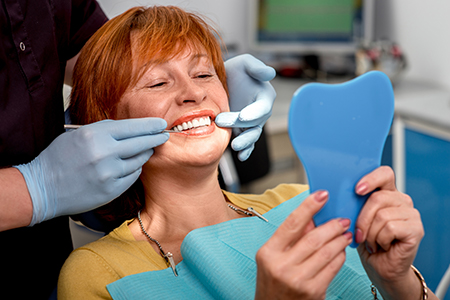
Successful dentures start with a comprehensive evaluation. We review medical and dental history, examine soft tissues and remaining teeth, and use diagnostic imaging when needed to understand bone support and jaw relationships.
From there, impressions, digital scans, and careful recording of how your jaws meet allow our lab to craft a denture that matches your facial proportions and bite. Tooth selection—shape, size, and shade—is chosen to harmonize with your smile and facial features.
When additional procedures are necessary—such as extractions, socket preparation, or minor tissue shaping—we coordinate those steps to support the best long-term fit and comfort. Clear communication and staged planning help patients understand the process and expected timeline.
Precision try-ins and bite verifications are part of the process, and we make fine adjustments during delivery to ensure balanced chewing, comfortable contact, and a natural appearance that suits each patient’s preferences.
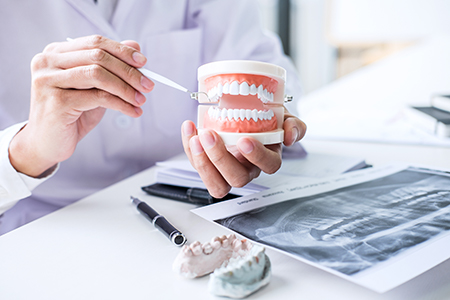
Receiving a new denture is a transition — most patients adapt quickly but should plan for a short adjustment period. It’s normal to experience areas of pressure or minor soreness that can be relieved during follow-up visits. We encourage wearing the denture as directed so we can see where fine-tuning is needed.
Expect temporary changes such as increased saliva production and subtle differences in pronunciation. Speaking aloud, reading out loud, and practicing with simple phrases helps re-train tongue and lip coordination until speech feels natural again.
Eating with a new denture is best approached gradually: start with soft, bite-sized foods and chew on both sides to stabilize the appliance. Over a few weeks, most patients regain confidence and can return to a varied, nutritious diet.
Daily cleaning and storage
Clean dentures after meals and brush them daily with a denture brush or soft toothbrush. Rinse off loose particles, and soak the appliance overnight in water or an appropriate denture soak to maintain shape and cleanliness.
Oral hygiene for remaining tissues
Clean any remaining natural teeth, gums, and tongue every day. Removing the denture at night gives tissues a chance to rest and supports oral health.
Options for added retention
For patients who want extra stability, adhesives, attachments, or implant-supported designs are available. We’ll explain the pros and considerations for each approach so you can choose what best fits your lifestyle.
Routine checkups and relines
Regular dental visits allow us to check fit, address sore spots, and monitor oral health. Over time, tissue changes may require a reline or adjustment to restore optimal comfort and function.

If you are considering dentures, an initial consultation lets us evaluate your oral condition, discuss realistic outcomes, and outline the sequence of care. Our team will explain options clearly and help you choose the path that aligns with your goals and health needs.
With thoughtful planning and careful execution, a well-made denture can restore chewing efficiency, improve speech, support facial contours, and renew confidence. Our clinicians combine clinical experience with contemporary techniques to deliver predictable, long-lasting results.
For more information or to schedule a consultation, please contact our office. We’re here to answer your questions and help you explore the best tooth-replacement options for your situation.
Dentures are removable prosthetic appliances designed to replace missing teeth and restore oral function. They sit on the gums and are supported by the underlying bone and soft tissues to provide a functional biting surface. Artificial teeth are set in a base that mimics natural gum tissue to produce a lifelike appearance and improve facial contours.
Dentures help restore chewing, speaking and smiling after tooth loss and can prevent unwanted drifting of remaining teeth. They are removable for cleaning and allow the tissues to be inspected and maintained. Proper fit and timely adjustments are important to preserve comfort and function over time.
The two primary categories of removable dentures are full (complete) dentures and partial dentures, which are selected based on how many natural teeth remain. Full dentures replace all teeth in an arch, while partial dentures fill gaps and often use clasps or precision attachments to anchor to adjacent teeth. Frameworks and materials vary and may include acrylic bases, flexible resins, and cast metal for strength and comfort.
Variations within these categories include immediate dentures placed at the time of extraction, overdentures supported by remaining teeth or attachments, and implant-supported prostheses that attach to dental implants for added retention. Each option offers different benefits in terms of stability, ease of maintenance and long-term tissue preservation. Your dental team will recommend the design that best meets your functional needs and aesthetic goals.
Implant-supported dentures attach to dental implants surgically placed in the jaw, providing greater retention and stability than conventional removable dentures. The implants act as support posts that reduce movement during chewing and speaking and can improve overall comfort and function. Implant support also helps transmit functional forces to the jawbone, which can slow bone resorption compared with unsupported prostheses.
Traditional removable dentures rely on fit, suction and sometimes adhesive to stay in place and may require more frequent relines as tissues change. Implant-supported designs may be fixed or removable depending on the clinical plan and patient preference, and they require surgical planning and a healing period before final prostheses are delivered. A comprehensive evaluation with imaging determines whether implant support is a suitable option.
Candidates for dentures typically include adults who have lost some or all of their natural teeth and who seek to restore function and appearance. Candidacy depends on the health of any remaining teeth, the quality and quantity of jawbone, the condition of soft tissues, and overall medical status. Factors such as smoking, uncontrolled systemic disease or poor oral hygiene can affect outcomes but are often manageable with appropriate care and coordination.
At Advanced Dental Care of Las Colinas we conduct a thorough evaluation, including a clinical exam and diagnostic imaging, to determine the most appropriate treatment plan. When needed, pre-prosthetic procedures such as extractions, periodontal therapy or bone preservation are performed to optimize fit and long-term success. The selected approach is tailored to each patient's goals, health and lifestyle.
The denture process begins with a comprehensive oral examination and diagnostic records, which often include impressions, bite registrations and imaging to assess bone and tissue relationships. Lab fabrication involves trial fittings, tooth selection and shade matching so that the prosthesis meets both functional and aesthetic objectives. The overall timeline depends on whether extractions or implant placement are required and on the type of denture being made.
Immediate dentures can be delivered at the time of extractions to avoid a period without teeth, but they commonly require relining as tissues heal. Conventional dentures are fabricated after healing is complete for a more predictable initial fit and may reduce the need for early adjustments. Your dentist will outline the sequence of visits and what to expect at each step to ensure a well-executed outcome.
Daily denture care includes rinsing prostheses after meals to remove food debris, brushing them gently with a denture brush or soft-bristled brush, and soaking them overnight in water or a recommended denture solution as directed. Avoid abrasive pastes and household cleaners that can scratch denture surfaces and trap bacteria. It is also important to brush any remaining natural teeth, gums, tongue and palate to maintain tissue health and reduce the risk of irritation or infection.
Remove dentures at bedtime to allow oral tissues to rest and to reduce the risk of inflammation and bone changes. Inspect the appliance regularly for signs of wear, cracks or loose teeth and report concerns to your dental provider promptly. Professional cleanings and periodic evaluations help ensure both the prosthesis and the underlying tissues remain healthy.
After receiving new dentures it is common to have several adjustment visits to relieve sore spots and refine fit as tissues adapt. Tissues change after extractions and continue to remodel over time, which can create pressure points that require selective trimming or relining. Clear communication with your dental team about areas of discomfort, difficulty speaking or trouble chewing allows timely corrections for improved comfort.
Denture relines, rebasing or repair procedures may be recommended to restore intimate fit as the supporting tissues change and the prosthesis ages. In some cases, replacement becomes the best option when wear or structural changes affect function or aesthetics. Regular follow-up and maintenance are key to long-term success and comfort with any removable prosthesis.
New dentures can temporarily affect speech and eating as your tongue, lips and cheeks learn to coordinate with the contours of the prosthesis. Most patients regain clear speech within days to weeks by practicing speaking aloud and reading passages to accelerate muscle coordination. Eating is approached gradually, beginning with soft foods cut into small pieces and advancing to firmer textures as comfort and confidence improve.
Certain foods, especially very sticky or hard items, may remain challenging for some wearers, and using careful chewing techniques and smaller bites helps distribute forces more evenly. Implant-supported dentures generally provide greater biting force and stability for a wider range of foods. Ongoing adjustments and advice from your dental team help address persistent functional concerns.
The functional lifespan of dentures varies by material, wear patterns and changes in oral tissues; many well-made dentures provide reliable service for several years with proper care. Over time acrylic teeth can wear and the base material can degrade, and ongoing bone and gum remodeling can alter fit and function. Routine assessments allow the dental team to monitor wear and recommend relines, repairs or replacement when necessary to maintain comfort and function.
It is important not to attempt home repairs, which can damage the appliance and compromise fit. Scheduling regular dental visits ensures timely maintenance and helps prevent complications that could affect oral health. Planning for periodic service and possible replacement keeps the prosthesis performing optimally for daily function and appearance.
Follow-up visits are typically scheduled shortly after denture delivery to check fit, relieve sore spots and make necessary adjustments, with additional visits over the first few months as tissues heal and the appliance settles. After the initial period, routine examinations are recommended at regular intervals to monitor fit, oral health and the condition of any remaining teeth. Your dentist will provide a personalized follow-up plan based on the type of denture, your oral health and any restorative needs.
At Advanced Dental Care of Las Colinas we emphasize continuity of care and encourage patients to contact us promptly if they experience pain, instability or changes in fit between scheduled visits. Regular checkups also include screening of soft tissues and evaluation for signs of wear or damage to the prosthesis. Timely attention and maintenance help preserve comfort, function and long-term oral health.
Quick Links